What Happens to Surplus Food?
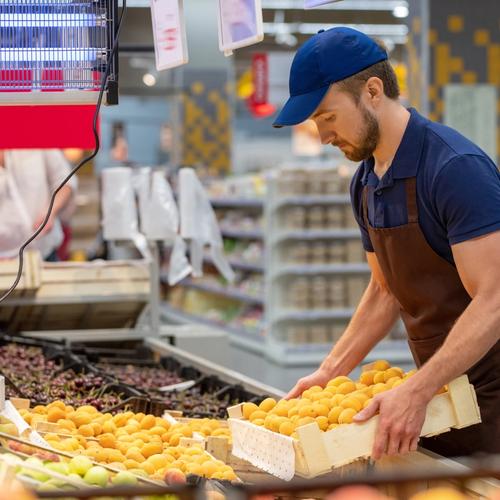
Surplus food sits at the point where operations, margin, and sustainability all meet. A retailer with more prepared meals than customers bought that day faces the same underlying pressure as a bakery with pastries still on the shelf after closing. What happens next depends on how quickly the team identifies the surplus and which recovery channels are available.
The strongest surplus food strategies keep edible food at the highest possible value for as long as possible. That might mean selling it through markdowns, or moving it to donation and redistribution partners, or connecting it with local consumers through a surplus food marketplace. The right channel depends on the food type, the time available, and what the business has in place.
What Is Surplus Food?
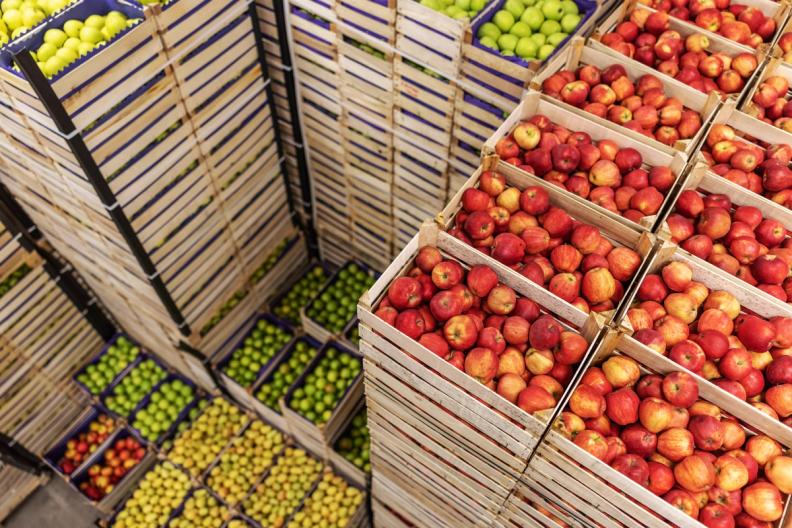
Surplus food is edible food that a business has produced or stocked beyond what it can realistically sell through in its normal channels. Surplus food and food waste are often treated as the same thing, but they are not. Surplus food is still good — it can still be sold, donated, or eaten. Food waste is what it becomes when none of those things happen and the food is discarded.
Common Reasons Businesses Have Surplus Food
Food surplus is often a normal part of running a food business because teams have to balance availability against demand that can change quickly. When forecasts miss or displays need to stay full, excess can build even in well-run operations. A seasonal promotion that lingers too long or a batch production minimum that overshoots actual need can each tip a well-managed inventory into surplus.
For food retailers and foodservice operators, surplus food is not just an operational issue. It shapes margin performance, labor efficiency, sustainability reporting, and how customers perceive the brand.
What Businesses Typically Do With Surplus Food
Sell It at a Discount
Markdowns are one of the most common ways operators move surplus food before it loses value, whether that is a bakery cutting prices on pastries near close or a grocery store tagging produce that is approaching its sell-by date. The goal is the same across formats, which is to recover revenue on inventory that would otherwise become shrink.
Discounting works, but it has limits. Deep markdowns can eat into margin, and customers may associate them with lower quality, even when the product is perfectly good. Many operators now layer newer tools on top of traditional markdowns to capture surplus value without the same brand cost.
Donate Eligible Food
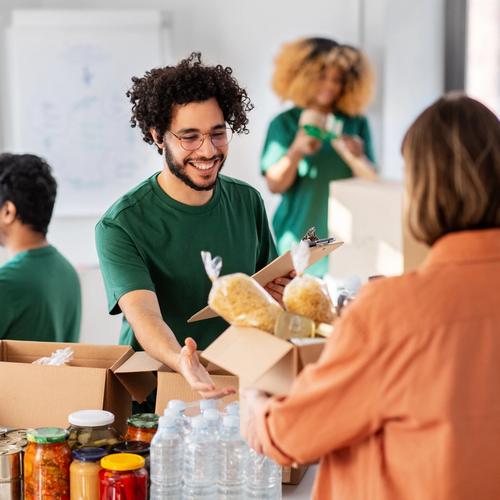
Donation can be an important recovery channel when the right conditions are in place. The food has to still be safe, the timing has to allow for pickup, and a partner organization needs to be ready to receive it. This works especially well for operators with predictable volumes and an established internal process for holding products safely before handoff.
The challenge is that donation is not always straightforward at the store level. Teams need clear guidelines and reliable logistics, with enough lead time to keep edible food moving while it still meets quality and safety requirements.
Redistribute or Resell Through Surplus Food Marketplaces
Surplus food marketplaces give operators another way to move edible excess quickly, especially when a product has a short selling window. End-of-day baked goods, prepared meals, and similar inventory that is still good but unlikely to sell through standard service all benefit from a channel with a defined pickup window.
Too Good To Go helps food businesses turn surplus into an opportunity by connecting them with nearby consumers who buy discounted Surprise Bags. A Surprise Bag is a curated assortment of unsold food offered through the app for pickup during a set time window, giving operators a simple way to recover value from eligible surplus.
Use It Internally Where Appropriate
Some surplus can be directed toward staff meals or internal kitchen use when food safety and operational guidelines allow. This is a useful outlet for certain products, though it typically does not recover revenue or resolve the patterns driving surplus in the first place.
Send It to Animal Feed, Composting, or Disposal
When food is no longer suitable for people to eat, lower-value channels become the only option. Animal feed and composting reduce environmental impact compared with direct disposal, but they represent a last resort — not a strategy. Edible food recovery should always come first.
Why Surplus Food Matters for Businesses
Surplus food represents value that has already been paid for. By the time a product reaches a recovery decision, the business has moved it through sourcing, logistics, storage, and onto the shelf. When that investment is not recovered, the financial impact compounds quickly: shrink grows, margins tighten, and sustainability performance becomes harder to defend.
A stronger surplus food process helps teams spot excess inventory earlier and make faster decisions. Over time, that translates into better operational efficiency and a brand that customers associate with responsible practice.
How Too Good To Go Helps Businesses Manage Surplus Food
Too Good To Go gives food businesses a practical way to sell eligible surplus through discounted Surprise Bags in the app. Nearby consumers purchase the bags and collect them during a set pickup window, helping operators recover value from food that may otherwise go unsold while adding another layer to their food waste reduction strategy.
Surplus food does not have to become food waste. With the right process, businesses can identify excess inventory earlier, move it faster, and connect more edible food with local consumers.