What Do Bakeries Do With Surplus Food?
Bakeries often produce fresh items daily, which means surplus can appear quickly. Baked goods may still be safe and enjoyable at the end of the day, even if they no longer fit freshness standards for the next morning.
Managing that surplus matters because bakery margins are tight. Production planning, labor, and ingredients all represent costs that are already sunk by the time a product reaches the display case. The right recovery process helps bakeries move eligible products faster and hold onto value that would otherwise be lost.
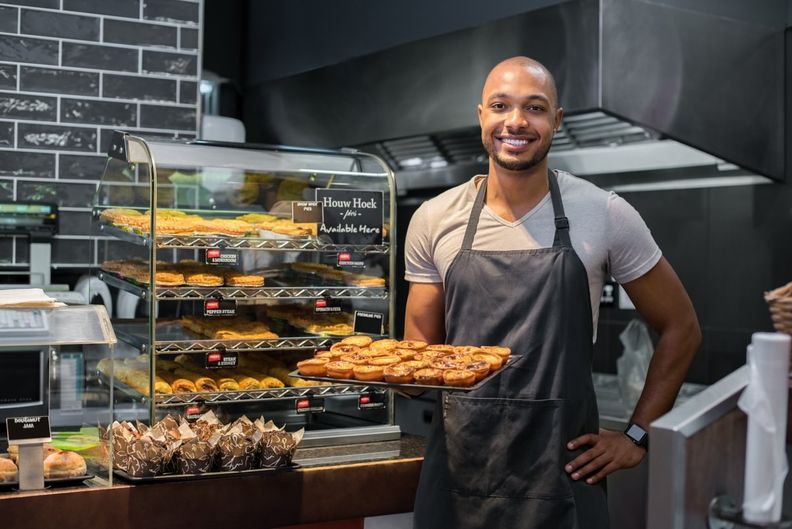
Why Bakeries Have Leftover Food
Bakeries have to produce enough product to meet demand across the day while keeping displays appealing. Demand can shift unexpectedly, due to a weather change, a slow holiday weekend, or a catering adjustment, which can each leave more on the shelf than anticipated. Because most baked goods are made fresh, the window to act on that surplus is short.
Because many bakery products are made fresh each day, operators need recovery channels that work quickly and do not disrupt production or customer service.
What Do Bakeries Do With Leftover Bread?
When leftover bread is still good, the goal is to move it before that window closes, through a surplus food offer, a discount, or donation. Products that can be repurposed into something like croutons or breadcrumbs have a little more runway. Anything that no longer meets quality or safety requirements goes to composting or disposal if it no longer meets quality or safety requirements.
For many bakeries, selling leftover bread through a surplus food platform helps recover value from products that are still good but unlikely to sell at full price the next day.
What Do Bakeries Do With Leftover Cakes?
Leftover cakes and cake slices often require more careful handling because frosting, fillings, and refrigeration can affect storage rules. Eligible items may be sold at a discount, included in surplus food bags, donated where allowed, or offered to staff.
A clear surplus process helps bakeries move cake products before quality declines, while giving teams a consistent approach to items that cannot remain in the display case indefinitely.
What Do Bakeries Do With Leftover Pastries?
Pastries have some of the shortest freshness windows in the bakery case. Croissants, muffins, danishes, cookies, and sweet rolls may still taste great at close, but they may not meet next-day presentation standards.
Instead of relying only on markdowns or donations, bakeries can use surplus food marketplaces to connect those products with customers during a defined pickup window.
Bakery Food Waste Solutions for Businesses
Bakery food waste solutions should help operators act earlier without overcomplicating production. The goal is visibility — knowing what is left, why it didn't sell, and having a clear process to move it before the day ends.
Over time, that visibility can make daily surplus more predictable and easier to recover.
How Too Good To Go Helps Bakeries Reduce Food Waste
Too Good To Go helps bakeries sell eligible surplus through discounted Surprise Bags. A Surprise Bag is an assortment of unsold bread, cakes, pastries, or other eligible items that nearby consumers buy in the app and pick up during a set time window.
For bakeries, this turns predictable end-of-day surplus into an opportunity rather than a loss, recovering margin on short shelf-life items while keeping edible food in circulation and reaching new local customers.
Bakery surplus is often predictable, but it does not have to become waste.