What Do Restaurants Do With Surplus Food?
Restaurants manage surplus differently than grocery stores because so much of the inventory has already been prepped, cooked, portioned, or held for service. A slower-than-expected shift, a canceled reservation, a weather change, or a menu item that underperforms can leave operators with edible food that needs a fast decision.
Restaurant surplus can take several paths depending on the food type, timing, and what food safety requirements allow. Some items can move into future prep or staff meals. Others need a faster decision — donation, a surplus food platform, or as a last resort, disposal — before the window to act closes and service is disrupted.
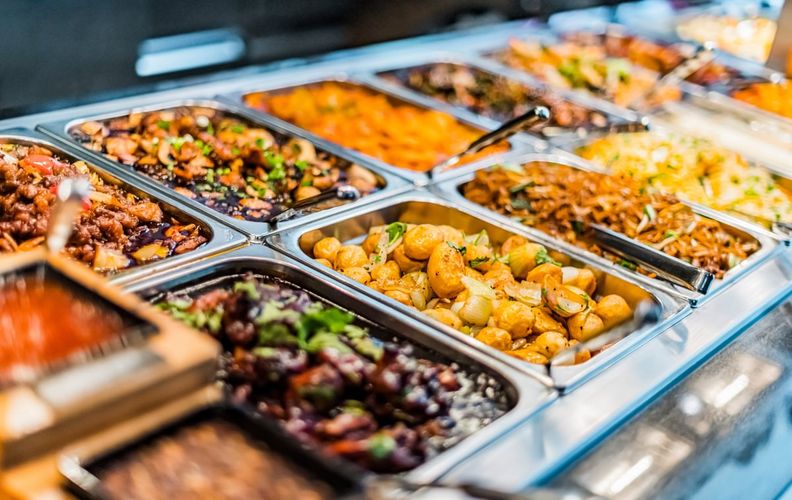
Why Restaurants Have Surplus Food
Restaurants have to prepare enough food to deliver consistent service, which makes some surplus difficult to avoid. Traffic can change quickly, batch cooking creates minimum production quantities, and catering adjustments can shift demand with little notice. Menu changes and seasonal swings add further pressure on top of the already short shelf lives that come with prepared food.
For operators, that surplus has a real cost that compounds quickly. Food cost rises, labor goes to waste, and margin tightens. Reducing restaurant food waste can improve profitability while supporting sustainability goals and a better guest experience.
Common Types of Restaurant Surplus Food
Restaurant surplus covers a wide range of food types, from prepared meals and prepped ingredients to catering extras, desserts, and packaged retail products. Some items can be reused safely within standard food handling procedures, while others have a narrow window before sale, donation, or recovery is no longer possible, which is why teams need clear decision rules in place before surplus appears.
What Restaurants Typically Do With Surplus Food
Adjust Prep and Forecasting
The strongest restaurant waste strategy starts before surplus exists. Operators who review sales trends and historical data regularly can adjust prep levels and catch overproduction patterns early, without sacrificing the consistency guests expect.
Repurpose Ingredients Where Appropriate
Some prepped ingredients can move into specials or future menu items when food safety and quality standards allow. This works best when kitchen teams have flexible menus and clear guidelines for what can be reused.
Offer Staff Meals
Staff meals can be a practical outlet for certain surplus items. They can reduce waste and support team culture, but they usually do not recover revenue or address recurring production issues.
Donate Eligible Food
Donation can work for certain prepared or packaged foods, but the window is often short. Restaurants need a consistent process in place so teams can move eligible food quickly when the opportunity is there.
Sell Surplus Through a Food Waste Solution
Surplus food platforms give restaurants a way to sell eligible food that is still good but unlikely to sell through regular service. By setting pickup windows around end-of-day inventory or slower service periods, operators can recover value without changing the core menu experience.
Restaurant Food Waste Solutions
Restaurant food waste solutions should support prevention and recovery without adding unnecessary complexity to the kitchen. The right approach works across the full cycle: reducing overproduction before it happens and giving teams a clear path to act when edible surplus appears, whether through donation partnerships or consumer surplus platforms.
The best systems fit naturally into existing workflows so teams can act quickly.
How Too Good To Go Helps Restaurants Reduce Food Waste
Too Good To Go helps restaurants sell eligible surplus through discounted Surprise Bags in the app. A Surprise Bag is a curated assortment of surplus food that nearby consumers buy and pick up during a set window, often around the end of service.
For restaurants, this creates a simple outlet for prepared surplus that might otherwise go unsold, turning a daily operational challenge into a way to recover value and reach local customers.
Restaurant food waste is not just a back-of-house issue. It affects margins, operations, customer perception, and sustainability goals.