Too Good To Go Blog
The Best Grocery Store Food Waste Solutions for 2026
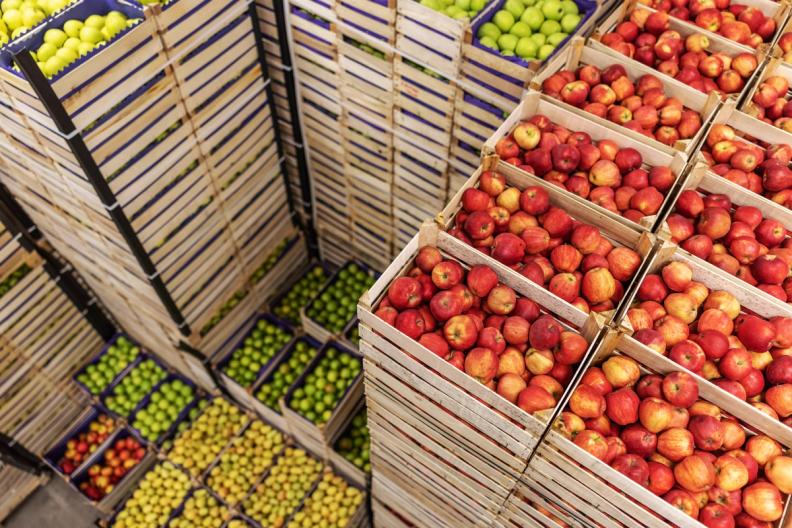
For food retail operators and in-store teams, it can be frustrating to see just how much good food is pulled from shelves simply because it didn’t sell in time. It’s an all-too-familiar moment for grocery teams balancing tight margins, unpredictable demand, and limited labor. Nationwide, about 30% of food in grocery stores Goes unsold each year, adding up to nearly 16 billion pounds of surplus.
Luckily, there’s another side of surplus — one that can be put to good use. Nearly 45% of food that goes unsold Is still safe to enjoy, creating new ways to think about managing excess inventory. In 2026, grocery store food waste solutions give retailers practical methods to reduce surplus, recover revenue, and support sustainability, without complicating operations.
Where Food Waste From Grocery Stores Starts (And What It Really Costs)
Food waste from grocery stores often builds through small everyday moments. Short shelf lives, changing customer demand, and the pace of daily operations all play a role in lost revenue. In 2024, surplus food added up to more than $30 billion in retail value, with prepared foods, produce, and fresh items fueling the most excess inventory.
Teams are balancing this struggle daily. When staffing is tight or the store is busy, tasks like checking dates, rotating products, or adjusting inventory can fall behind. Confusion around date labels, including ‘Use By’ versus ‘Best Before’ dates can add to the challenge. Over time, those small gaps can turn into significant surplus.
Why Grocery Store Food Waste Solutions Matter Now More Than Ever
Food waste from grocery stores doesn’t stop at the stockroom door. Across the US, Unsold food makes up about 24% of what ends up in landfills and contributes to roughly 3.5% of greenhouse gas emissions. Addressing surplus is becoming part of how grocery stores show care for both their communities and the planet as a whole.
Shoppers are noticing, too. Products with ESG-related claims are Outperforming their categories in most major food segments, and nearly 70% of consumers say businesses should share more about their sustainability efforts. Grocery store food waste solutions help retailers respond in tangible ways, setting the stage for approaches that turn surplus into something positive.
What Are The Best Grocery Store Food Waste Solutions For 2026?
Food waste from grocery stores doesn’t have a single solution, and that’s a good thing. In 2026, retailers are combining multiple methods to reduce surplus, recover value, and recirculate excess food in ways that best fit their operations. Here are some of the top solutions to do just that:
Expanding Food Donation Programs to Rescue Edible Surplus
Food donation focuses on redirecting surplus food that is still safe to eat to organizations that can share it quickly within the community. For many grocery stores, donation is a natural first step when products approach their sell-by window. As part of broader grocery store food waste solutions, donation helps keep good food in the supply chain and support local hunger relief efforts.
When donation is built into regular store routines, it becomes a reliable outlet for surplus rather than a last-minute decision. Clear processes and local partnerships help teams move food quickly and confidently as inventory shifts, even on busy days when priorities compete for attention. That consistency also helps ensure food reaches the communities that need it most.
Repurposing Inedible Surplus Through Composting Initiatives
Donations extend the life of edible food, but not all surplus can be shared. When products are no longer safe or suitable to eat, composting and organic diversion offer a responsible next step. These approaches let grocery stores keep inedible food out of landfills and continue to find value in what would otherwise be discarded.
In practice, this often means finding the right next outlet for different types of surplus. Some inedible food can be redirected to composting or animal feed, while other organic waste may be processed through anaerobic digestion to generate renewable energy. Together, these paths help stores manage inedible surplus more thoughtfully as part of everyday operations.
Transforming Waste into Revenue with a Surplus Food Marketplace
Once donation and composting options are accounted for, some surplus food still remains safe to enjoy but difficult to sell through traditional channels that rely on repeated in-store markdowns. Surplus food marketplaces like Too Good To Go offer another path forward, helping stores redirect that food to customers while recovering value that might otherwise be lost.
Through the Too Good To Go platform, grocers bundle surplus items into Surprise Bags that customers purchase through the app and pick up during store-selected windows. This approach helps stores turn excess inventory into incremental revenue, while keeping good food in circulation and supporting broader grocery store food waste solutions.
At the local level, Pemberton farms shows how surplus marketplaces can work for independent grocers. With a scratch kitchen, rotating inventory, and multiple departments, food waste had become an everyday challenge, especially with prepared foods. Partnering with Too Good To Go helped the store turn surplus into savings while introducing new customers to the business:
- 12,280 meals saved and redirected to new customers
- $47,659 in revenue earned from Surprise Bags filled with surplus food
- 87% customer return rate among shoppers who discovered the store through Too Good To Go

By pairing sustainability with revenue recovery, a marketplace like Too Good To Go provides a practical bridge between everyday surplus and long-term value, setting the stage for solutions designed to fit seamlessly into store operations.
start saving food today
Our app is the world's largest marketplace for surplus food. We help users rescue good food from going to waste, offering great value for money at local stores, cafes and restaurants.
Too good to go blog
Too Good To Go BlogInside the Numbers: What Too Good To Go Partners Are Recovering
September 29, 2026
Every food business that prepares fresh product has to commit to inventory before it knows what will sell, which means the volume on the shelf at 10 a.m. ref...
Too Good To Go BlogPantry Organization Tips That Help You Waste Less Food
September 21, 2026
Most of the food that gets wasted at home was bought with good intentions. A bag of lentils slides behind a cereal box, a second jar of peanut butter joins t...

Win $250 app credits & more!Surprise Seconds Sweepstakes
September 17, 2026
Surprise Seconds Sweepstakes: Official Rules Details Page OFFICIAL RULES. NO PURCHASE NECESSARY TO ENTER OR WIN. A PURCHASE DOES NOT INCREASE THE CHANCES...
Too Good To Go BlogHow Convenience Store Trends Are Changing C-Store Operations
September 3, 2026
U.S. convenience stores rang up $341.2 billion in in-store sales in 2025, the 23rd straight year of inside-sales growth. That growth is no longer coming from...