Too Good To Go Blog
How Restaurants Can Reduce Food Waste and Cut Costs at the Same Time
How Restaurants Can Reduce Food Waste and Cut Costs at the Same Time
Rising ingredient prices, tighter profit margins, and ongoing staffing challenges continue to put pressure on restaurants from multiple angles. According to the National restaurant association, over the past five years, food costs and labor costs for the average restaurant have each increased by 35%, while everyday expenses like rent, supplies, and credit card processing fees are increasing too.
It’s a tough reality, and it doesn’t even factor in the cost of food left over at the end of each shift. Luckily, that’s where the real opportunity lies.
Food waste in restaurants is one of the most controllable expenses and one of the easiest places to regain lost margin. For operators wondering how to reduce food cost in a restaurant without extra work, the answer often starts with rethinking what “waste” truly is. With simple, proven solutions, restaurants can cut costs, recover revenue, and make every meal count.
Food Waste in Restaurants Costs More Than You Think
Food and labor costs are the two biggest line items for any restaurant, each accounting for roughly 33 cents of every dollar in sales. However, food is the only line item that routinely ends the day unused. Once food goes to waste, all the effort behind it is wasted, too. Each unsold item is a reminder of how much work went into what never made it to a plate.
It’s not an isolated issue, either. Across the global supply chain, food services like restaurants, cafés, and caterers create an estimated 319 million tons of food wasteevery year, and it’s far more than leftover food that’s wasted. It’s the freshwater and farmland used to produce those ingredients, along with avoidable greenhouse gas emissions like carbon dioxide and methane. For operators already facing tight margins, it’s also money lost.
Every bit of food waste hits your cost of goods sold (COGS) and chips away at profitability. That’s why reducing it isn’t only a sustainability effort, it’s also one of the smartest ways to protect your bottom line. For teams exploring how to reduce food cost in a restaurant, surplus food represents unused potential and a chance to bring new guests through the door.
The Simplest Ways to Reduce Food Waste in Restaurants (Without Extra Work)
You could overhaul ordering, prep, and forecasting to reduce food waste in restaurants, but those fixes take time and, realistically, most operators are already juggling purchasing, payroll, and paperwork. Plus, ordering less isn’t always the answer when you still need to meet demand. The fastest, most sustainable impact often comes from one low-lift shift: finding value in surplus food instead of letting it go unsold.
Restaurants that reduce food waste strategically tend to:
- Spot consistent surplus patterns, like items that rarely sell before close
- Turn low-value inventory into profit by offering it at a discount
- Bring in new customers during slower periods by joining a marketplace
- Rely on tools that make the process simple for busy teams
This is exactly where Too Good To Go fits in. For operators wondering how to reduce food waste in restaurants without creating more work, the Marketplace app makes surplus both valuable and visible. Saving just one meal (1 kg/2.2 lbs of food) through Too Good To Go Avoids nearly 6 pounds of co₂ emissionsand creates a new revenue stream with the food you already have on hand.
How Too Good To Go Helps Restaurants Reduce Waste and Increase Revenue
Too Good To Go is the world’s largest marketplace for surplus food, giving restaurants a quick way to turn unsold items into untapped revenue. Through the app, you can pack “Surprise Bags” with food that didn’t sell in time, set a pickup window that works for your team, and welcome local customers who are excited to discover something new. It’s an easy way to unlock revenue from food you already prepared, bring people through your doors, and help reduce food waste in restaurants at the same time.
The impact adds up fast: Too Good To Go partners have saved more than 523 million meals from going to waste, avoiding over 1.3M tons of CO₂ emissions and preventing 111 billion gallons of water from being wasted. It’s proof that a small daily shift can create meaningful business results (and real environmental benefits!) while taking pressure off busy teams. Here’s a look at how.
Turn Leftover Food into Newfound Revenue
From sandwiches, sushi, and salads to burgers, burritos, and bread, Too Good To Go gives restaurants a simple way to turn surplus food into sales. Set aside the unsold items from your shift, bundle them into Surprise Bags priced at 25–50% of their original retail value, and hand them off to customers when they arrive with their digital receipt.
It’s one of the most effortless ways to reduce food waste in restaurants while creating new revenue with the goods you already have on hand. Onboarding is fast, the workflow is painless for teams of any size (even the small but mighty ones), and there’s no need for new systems or extra staff time.
Bring in New Customers (Who Often Spend More)
At a time when nearly One-third of restaurant operatorssay increasing guest demand is their top priority, it pays to find low-lift, high-reward options that bring new customers through your doors. The Too Good To Go app connects you to more than 100 million registered users, giving your business instant visibility and helping boost foot traffic.
Among existing Too Good To Go partners, 61% of customers visited the store only because they came to pick up a Surprise Bag. Even better, 41% purchased additional items during their visit. It’s easy to see why many Too Good To Go customers turn into regulars: they discover your restaurant through the app, then come back for the experience.
Real Impact from Real Restaurant Owners
Hundreds of operators are trying to learn how to reduce food costs in a restaurant without adding more work to their day. Case in point? Bibble & Sip, a single-location bakery and café in New York City known for its signature pastries. By listing their surplus on Too Good To Go, Bibble & Sip turned end-of-day leftovers into meaningful gains for their business and their community.
Here’s what that impact looks like:
- $66,576 in additional revenue from food that previously would have been wasted
- 73% of customers who purchased a Surprise Bag said they would return to the store
- 18,134 meals saved from going to waste through Too Good To Go
“Being on Too Good To Go has helped us reach many new customers who end up coming back for more,” explains Gary Chan, Owner and Pastry Chef at Bibble & Sip. “It has been such a fun and positive way to connect with our community while helping reduce food waste.”
Discover How to Reduce Food Waste in Restaurants for Good
Restaurants everywhere are looking for fuss-free ways to save more and waste less, and the opportunities are already right in front of us. It all starts with giving surplus food a second chance. When you look at it that way, every meal matters to your bottom line and to the planet. Together, we can help both. With Too Good To Go, every saved meal creates value instead of loss.
Ready to reduce food waste and restaurant costs at the same time? See how Too Good To Go can help.
FREQUENTLY ASKED QUESTIONS
What is food waste?
The term “food waste” refers to food intended for consumption that never gets enjoyed. It includes both early-stage food loss that occurs as part of production and supply chains, as well as waste that happens at the retail or restaurant level.
What is surplus food in restaurants?
Surplus food is perfectly good food unlikely to be sold or consumed before its prime. It’s created at any point of the supply chain, from production to the prep line, and often has strong recovery potential.
How does food waste impact costs in restaurants?
Food waste increases expenses by using time, labor, and ingredients on items that never generate revenue. It drives up COGS and strains already tight margins.
How can restaurants lower both food waste and costs?
Identify recurring surplus patterns, turn unsold items into discounted offerings, and attract new customers during slower periods by joining a marketplace like Too Good To Go.
start saving food today
Our app is the world's largest marketplace for surplus food. We help users rescue good food from going to waste, offering great value for money at local stores, cafes and restaurants.
Too good to go blog

Too Good To Go BlogHow Convenience Store Trends Are Changing C-Store Operations
September 3, 2026
U.S. convenience stores rang up $341.2 billion in in-store sales in 2025, the 23rd straight year of inside-sales growth. That growth is no longer coming from...
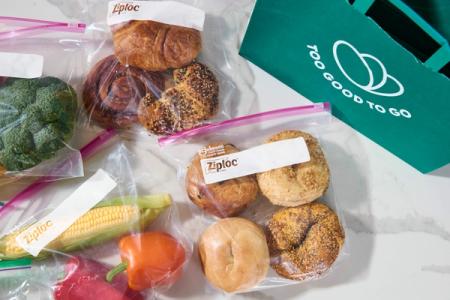
Too Good To Go BlogSurprise Seconds with Ziploc® Brand
September 2, 2026
What is surprise seconds? Together with Ziploc® Brand, we want to help make more of the food already in your kitchen – whether carried home from a restauran...
Too Good To Go BlogHow Food Retailers Can Reduce Inventory Shrinkage
August 20, 2026
Inventory shrinkage looks a little different across every food business. A bakery may close with pastries still in the case, while a convenience store may re...
Too Good To Go BlogHow Independent Restaurants Can Use Seasonal Menus to Reduce Food Waste
August 6, 2026
Every few months, restaurant operators have the chance to put something exciting on the table. The right seasonal restaurant menu ideas keep the dining exper...