Too Good To Go Blog
The Hidden Cost of Food Waste on Retail Employee Engagement
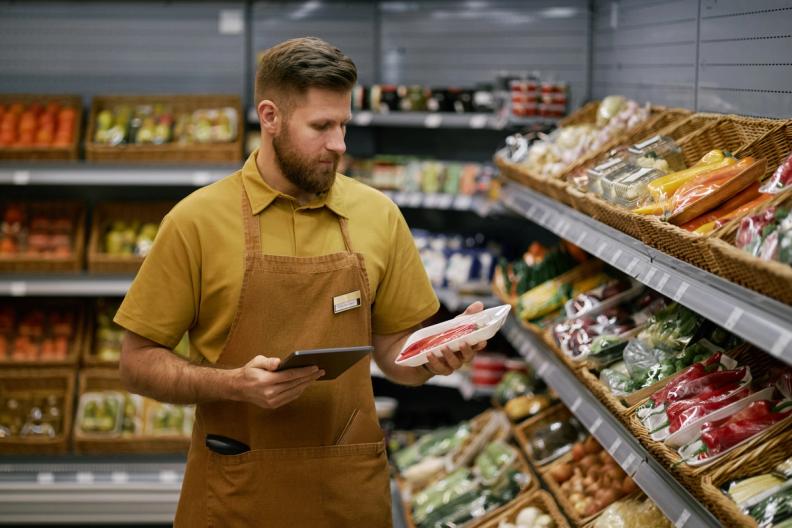
Food waste is often discussed in terms of sustainability goals, disposal costs, and inventory management, but retail employees experience it much differently. For frontline teams responsible for handling unsold products, throwing away perfectly edible food can become a recurring source of frustration. New research from Too Good To Go suggests those moments may have a bigger impact on the employee experience than many retailers realize.
Findings from the report, The True Cost of Surplus Food on Store Teams, reveal an often-overlooked connection between surplus food and retail employee engagement. Repeated exposure to food waste can influence morale, job satisfaction, and even how employees feel about their employer. As businesses look for new ways to strengthen employee engagement in the retail sector, food waste reduction may represent an opportunity hiding in plain sight.
Food Waste is Taking a Significant Toll on Frontline Retail Teams
For many retail employees, food waste is far more than a number on an inventory report. To understand how surplus food affects the people who handle it, Too Good To Go commissioned independent research firm Opinion Matters to survey 300 US food retail employees in September 2025. Opinion Matters is a member of the British Polling Council and conducts its research in line with Market Research Society standards. The survey found that 66% of employees understand the negative financial impact of food waste, while 43% recognize its environmental consequences. Awareness like this helps explain why surplus food can feel like a personal challenge for frontline teams rather than just another operational issue.
Unlike managers tracking shrink metrics, frontline employees encounter food waste in real time. They’re often the people sorting and disposing of unsold products, putting them face-to-face with edible surplus in a way few others experience. Nearly 9 in 10 employees report feeling negative emotions when food is wasted, highlighting how closely the issue is tied to the day-to-day employee experience.
Disappointment emerged as the most common emotional response, with 46% of retail employees saying they feel disappointed when they have to throw away surplus food at work.
Interestingly, the second most common response to edible surplus was not sadness or guilt, but motivation to reduce waste in the future. Taken together, these findings suggest that employees do not simply recognize food waste as a problem. Many also want to be part of the solution, creating a workplace dynamic where employees feel responsible for reducing waste but not always empowered to act.
The Overlooked Connection Between Food Waste and Employee Engagement
The emotional impact of food waste doesn’t end when surplus food reaches the trash. The True Cost of Surplus Food on Store Teams found that 57% of employees who have to throw away edible unsold food say the experience lowers their satisfaction with their employer, a sentiment that is even more common among younger workers. Another one in five report feeling disengaged when they have to throw edible surplus food away.
The food being wasted is often less important than what the waste seems to communicate. Many interpret it as a reflection of company priorities and values. When employees regularly see edible food discarded, it can create a disconnect between what they believe should happen and what actually happens in practice. Over time, those moments may influence how employees feel about the organization they work for.
The connection to retail employee engagement becomes clearer when viewed through that lens. Efforts to reduce waste are not solely about sustainability goals or operational efficiency. Employees may see those initiatives as evidence that leadership is willing to address problems they encounter every day. When food waste feels unavoidable, employees may begin to question whether their concerns are being taken seriously.
Moments like these demonstrate that employee engagement in the retail sector can be influenced by factors that extend well beyond compensation and scheduling. Daily workplace experiences shape how employees connect with their employers. Food waste may not be the first issue retailers associate with engagement, but the research suggests it can play a meaningful role in how employees evaluate their workplace.
Employees Are Aware of the Problem, But Don’t Feel Equipped to Solve It
For retail employees, recognition of the problem doesn’t always translate into the ability to address it. One of the report’s most striking findings is the gap between awareness and action. While 84% of employees say they understand their company’s food waste policies, 30% feel they have little control over reducing edible surplus in their workplace. Employees know what the goal is, but many don’t feel equipped to help achieve it.
Feeling powerless can be especially discouraging when frontline employees understand both the financial and environmental consequences of food waste.
Opportunities to take action can help reverse that dynamic. Teams are more likely to remain invested in solving problems when they feel their actions can make a difference. Retail employee engagement increases when they can move beyond simply witnessing those challenges and feel empowered to contribute to tangible outcomes. Among employees who can redistribute or save surplus food, 38% report a boost in morale.
Building Retail Employee Engagement Through Food Waste Reduction
When employees have practical ways to reduce waste, the emotional experience changes. Instead of feeling responsible for a problem they can’t influence, they become active participants in solving it. Clear processes, consistent support, and accessible food-saving tools can help transform food waste from a recurring frustration into a source of purpose. Retailers that equip employees to take action may find that the benefits extend far beyond waste reduction, too.
Small operational changes ultimately influence how employees feel about their work and the company behind it. Download The True Cost of Surplus Food on Store Teams today to access the complete survey findings, including segment-specific insights, and learn how retailers can transform food waste reduction into a source of employee engagement and workplace satisfaction.
FAQs About Retail Employee Engagement
How does food waste affect retail employee engagement?
Food waste can affect how employees feel about their workplace, particularly when they regularly see edible food discarded. Research shows that repeated exposure to food waste can influence morale, job satisfaction, and overall retail employee engagement by creating frustration and a sense of helplessness.
Why do retail employees feel strongly about food waste at work?
Many employees understand the financial and environmental consequences of food waste and encounter it firsthand as part of their daily responsibilities. As a result, food waste often feels like more than an operational issue. It becomes a problem employees care about and want to help solve.
Can food waste influence employee satisfaction?
Yes. Too Good To Go's research found that many employees who throw away edible surplus food report lower satisfaction with their employer. Employees may view food waste as a reflection of workplace priorities, which can influence how they evaluate their organization.
What causes the gap between awareness and action?
Many employees understand company food waste policies but do not feel they have enough control to reduce waste themselves. Without clear opportunities to participate in solutions, employees may recognize the problem while feeling unable to influence the outcome.
How can retailers improve employee engagement while reducing food waste?
Giving employees practical ways to help save food can make a meaningful difference. Clear processes, consistent support, and opportunities to participate in food-saving efforts can help transform frustration into a stronger sense of ownership and purpose.
What is Too Good To Go?
Too Good To Go is a social impact company focused on reducing food waste. We’ve created a surplus food marketplace that helps food retailers, including grocers, restaurants, and bakeries, sell unsold food directly to consumers through discounted Surprise Bags. The platform makes it easier for businesses to recover value from surplus inventory and help keep good food from going to waste.
How does Too Good To Go help retailers reduce food waste?
Too Good To Go gives retailers a simple way to sell surplus food that might otherwise be discarded. By creating a clear outlet for edible unsold inventory, the platform can help reduce waste while giving employees a practical way to participate in food-saving efforts. Rather than throwing food away, teams can help ensure it reaches consumers, creating a more visible connection between daily actions and positive outcomes.
start saving food today
Our app is the world's largest marketplace for surplus food. We help users rescue good food from going to waste, offering great value for money at local stores, cafes and restaurants.
Too good to go blog

Too Good To Go BlogHow Independent Restaurants Can Use Seasonal Menus to Reduce Food Waste
August 6, 2026
Every few months, restaurant operators have the chance to put something exciting on the table. The right seasonal restaurant menu ideas keep the dining exper...

Too Good To Go BlogHow Restaurants Can Reduce Food Cost Percentage Without Cutting Quality
July 30, 2026
Restaurant operators have had to navigate years of rising costs. Between 2020 and 2026 alone, total food costs for the average restaurant increased by 34%, p...

Too Good To Go BlogLocal Grocery Shopping: How to Find Hidden Gems in Your Neighborhood
July 23, 2026
There’s something satisfying about stumbling across a grocery store you never knew existed. Maybe it’s the neighborhood market with incredible produce, or th...

Too Good To Go BlogFood Freshness Explained: What It Means for Different Types of Food
July 16, 2026
Food freshness affects countless decisions across the supply chain. It influences what customers buy, how businesses manage inventory, and which products ult...