Too Good To Go Blog
Food Freshness Explained: What It Means for Different Types of Food
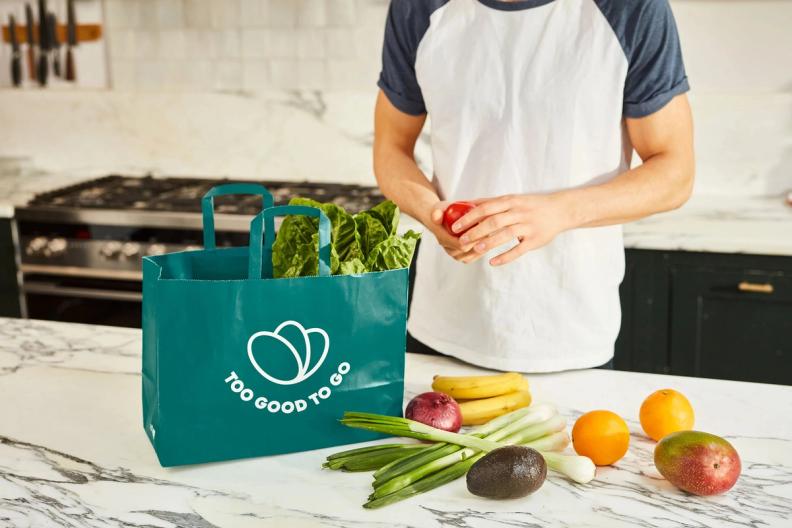
Food freshness affects countless decisions across the supply chain. It influences what customers buy, how businesses manage inventory, and which products ultimately end up going unsold, even when they’re perfectly edible. Many people assume freshness ends the moment a package reaches its printed date, yet the reality is often far more nuanced. Unfortunately, that misunderstanding has real consequences. Date label concerns alone account for 1.82 million tons of edible surplus food, making them the single largest contributor to food waste.
A carton of yogurt, a loaf of bread, and a container of prepared food do not all lose freshness in the same way or at the same time. Quality changes differently across food categories, which means assessing freshness requires more than a quick glance at a label. Understanding what food freshness actually means is the first step toward making better decisions about food that might otherwise be discarded too soon.
Why Food Freshness is Misunderstood on Both Sides of the Counter
One of the biggest misconceptions about food freshness is that a printed date on a container or carton automatically determines whether a product should be eaten or discarded. Consumers often interpret dates as expiration deadlines, while businesses may feel pressure to remove products from shelves as those dates approach. In reality, most date labels are intended to communicate quality rather than safety.
The result is a significant amount of perfectly edible food being thrown away before it ever has a chance to be enjoyed. Common food date labels that cause confusion on both sides of the register include:
- Sell By: Helps retailers manage inventory and stock rotation.
- Enjoy By: Suggests when a product is likely to provide the best eating experience.
- Best By: Indicates when a product is expected to have its best flavor, texture, or overall quality.
- Use By: Often signals the last recommended date for peak quality.
Infant formula is the only product in the U.S. that is federally required to use a safety-based Use By date. Everything else is considered quality or inventory guidance. This distinction is important because many foods remain safe and enjoyable when stored properly. Learning how to keep food fresh through appropriate handling and storage can often extend a product’s usable life beyond what consumers might expect.
The Business Cost of Getting Food Freshness Wrong in Retail
Date label confusion isn’t just a consumer issue. It has real financial consequences for food businesses, too. Roughly three-quarters of annual retail food waste, or $26.9 billion, comes from highly perishable categories such as produce, meat and seafood, prepared foods, and dairy. Yet nearly 45% of that food remains safe to enjoy, suggesting significant opportunities to recover value before products are discarded.
Category | Annual Cost | Food Waste Volume |
|---|---|---|
Prepared foods | $6.73B | 347k tons |
Fresh meat and seafood | $5.17B | 369k tons |
Fresh produce | $4.99B | 902k tons |
Bread and bakery | $3.5B | 274k tons |
Dairy and eggs | $1.58B | 301k tons |
* Based on 2024 ReFED food waste statistics
The financial impact extends beyond the value of the inventory itself. Employees still spend time monitoring products, rotating stock, and removing items that are no longer considered sellable. Disposal and hauling costs add another layer of expense, further increasing the impact of food waste. Improving how you evaluate food freshness can help uncover opportunities to recover value before those costs begin to accumulate.
Food Freshness Looks Different Across Every Category
Date labels can provide useful guidance, but they only tell part of the story. Too Good To Go’s Look, Smell, Taste initiative focuses on the signs of quality and true spoilage that date labels cannot always capture. The reason is simple: freshness doesn’t look the exact same across every category. A loaf of bread ages differently than a carton of yogurt, and neither follows the same pattern as fresh produce or seafood.
Monitoring the specific characteristics of each category often provides a clearer picture than the date alone.
Produce: Appearance Matters, But Looks Can Be Deceiving
Produce may be one of the easiest categories to misjudge because visual imperfections are often mistaken for spoilage. A bruised apple, slightly limp greens, or a banana with brown spots may not look their best, but those changes are often a normal part of the aging process rather than signs the product is rotten. Still, consumers expressly avoid unattractive produce nearly all the time, contributing to both food waste and lost sales.
When assessing food freshness in produce, appearance should be considered alongside texture and aroma. Lettuce that has become slimy or berries that smell fermented are very different from produce that is simply less vibrant than it was a few days earlier. Distinguishing between cosmetic changes and true spoilage can help businesses identify products that still have value before they’re tossed out of the food supply chain for good.
Dairy Products: Date Labels Are Only One Piece of the Puzzle
Unlike produce—where visual appearance often drives purchasing decisions—dairy products tend to be judged more heavily by the date printed on the package. Still, many dairy items remain usable beyond their Best By date, particularly when they have been stored consistently at the proper temperature. For these reasons, food freshness in dairy is often better evaluated through changes in smell and texture.
Milk may develop a distinctly sour odor when it begins to spoil, while yogurt and sour cream can become watery or separate beyond what is considered normal (or appetizing). Cheese presents its own challenges, with some varieties naturally changing texture as they age. For example, cheddar often becomes firmer and more crumbly over time, where Brie can soften and develop a creamier interior as it matures. Looking at the product itself, rather than relying solely on the date, often provides a clearer picture of its condition.
Meat and Seafood: Storage and Temperature Matter Most
While produce and dairy can often be evaluated through visible quality changes, meat and seafood require a greater emphasis on temperature control throughout their lifespan. There’s a reason restaurant and grocery inspectors routinely check cold storage temperatures during routine inspections. Proper cold-chain management plays a critical role in preserving meat and seafood freshness and reducing safety risks.
Color is often one of the least reliable indicators of freshness in this category. Beef naturally changes color over time, yet many shoppers associate any amount of browning with spoilage. A more complete assessment considers whether products have been cold-held properly throughout storage and transport. Excessive moisture, unusual stickiness, or strong off-odors may be more meaningful warning signs than color changes alone.
Baked Goods: Freshness and Safety Are Not the Same Thing
Moving from highly perishable proteins to baked goods highlights an important distinction: quality decline and spoilage are not always the same thing. Bread, bagels, pastries, and other baked items naturally lose moisture over time, causing them to become firmer or less enjoyable to eat. Staleness may affect the eating experience, but it doesn’t automatically indicate a safety concern. A baguette that has lost its crusty exterior or a muffin that feels slightly dry is often still safe to eat.
That distinction becomes especially important in bakery departments, where quality often declines long before safety becomes a concern. Visible mold remains one of the clearest indicators that a product should no longer be consumed. Short of that, many baked goods remain perfectly edible even after they have passed their peak quality window, making this category a useful example of why freshness and safety should not be treated as interchangeable concepts.
Prepared Foods: Time Windows Help Guide Freshness
Prepared foods introduce a different freshness challenge because they often combine multiple ingredients, each with its own shelf life. Restaurants, grocery stores, and foodservice operators rely heavily on production dates, holding times, and labeling procedures to help ensure products are served within established quality and safety standards. Even with those controls in place, the food itself can provide important clues.
Prepared foods that have developed unusual discoloration, excessive liquid separation, or unexpected texture changes may indicate spoilage. A sandwich with wilted lettuce, a grain bowl that has lost some texture, or a prepared salad that’s no longer at peak quality presents a different situation. Freshness can decline before a product becomes unsafe, which is why timing and sensory evaluation work together when assessing prepared foods.
How to Keep Food Fresh Longer: 5 Tips to Prolong Freshness
The signs of freshness may vary from one food category to the next, but the underlying goal remains the same. Preserving quality for as long as possible, and ensuring good food reaches customers, is always the aim. Businesses that prioritize food freshness through strong storage and inventory practices are often better positioned to reduce waste while maximizing the value of their products. Here’s how to do just that:
- Maintain proper storage temperatures. Consistent refrigeration helps slow quality decline and preserve freshness across dairy, meat, seafood, prepared foods, and many produce items. Regular temperature monitoring can also help identify issues before they affect product quality.
- Use packaging that protects product quality. Appropriate packaging helps shield food from excess moisture, air exposure, and other environmental factors that can accelerate deterioration. Storage methods should also be tailored to the needs of each product category.
- Follow first-in, first-out (FIFO) inventory practices. Rotating older inventory to the front and newer inventory to the back helps ensure products are sold or used in the intended order, reducing the likelihood of items being overlooked until quality declines.
- Identify products before they reach their quality threshold. Monitoring inventory proactively creates more opportunities to sell, donate, or otherwise recover value from food while it still meets quality expectations.
- Train employees on freshness indicators, not just date labels. Teams that understand the difference between normal aging and true spoilage are better equipped to make informed decisions to reduce unnecessary waste.
How Too Good To Go Helps Retailers Recover Value from Surplus Food
Even with strong inventory management practices in place, surplus food is sometimes unavoidable. Demand can shift unexpectedly, and products may sell more slowly than anticipated, but quality windows continue to narrow with each passing day. Many foods maintain their food freshness and remain enjoyable as they approach their Best By or Enjoy By dates, yet businesses often struggle to sell that inventory before it loses value.
Too Good To Go helps address that challenge through Surprise Bags. Grocery stores, bakeries, restaurants, and other food retail businesses can recover value from inventory with a limited remaining shelf life, while consumers discover surplus food through the app-based Too Good To Go marketplace. Participating businesses create their own Surprise Bags using surplus inventory that still meets their quality and food safety standards.
Unlock the Opportunity Hidden Inside Food Freshness Windows
The conversation around food waste often begins with what gets thrown away, but a more useful question is why it gets thrown away in the first place. In many cases, the answer comes back to how freshness is understood throughout the supply chain. A softened peach, a slightly stale loaf of bread, and a package of beef with minor discoloration all tell very different stories, but they’re also safe to eat.
Too Good To Go helps businesses capture value from these types of food that still have something left to offer. By creating a simple way to sell surplus food before quality declines further, Surprise Bags help transform limited shelf life from a liability into a chance to recover value. Learn how Too Good To Go can help your business reduce food waste and make the most of every freshness window.
FAQ About Food Freshness
What does food freshness actually mean?
Food freshness refers to a product’s overall quality and condition, including factors such as appearance, texture, smell, and flavor. While freshness naturally changes over time, a product does not automatically become unsafe the moment it reaches a printed date. Different foods age differently, which is why freshness must be evaluated within the context of each category.
Are Best By dates the same as expiration dates?
No. Most date labels are intended to communicate quality rather than safety. Labels such as Best By, Enjoy By, and Sell By generally indicate when a product is expected to deliver its best flavor, texture, or eating experience. Many foods remain safe and enjoyable beyond those dates when stored properly.
Why do consumers often throw away food that is still edible?
Many consumers rely heavily on date labels or visual appearance when making decisions about food. Cosmetic imperfections, slight texture changes, or approaching quality dates are often mistaken for signs of spoilage. As a result, perfectly edible food is frequently discarded before it truly needs to be.
How can food businesses reduce waste caused by freshness concerns?
Businesses can reduce unnecessary waste by monitoring inventory proactively, maintaining proper storage conditions, rotating stock using first-in, first-out practices, and training employees to recognize the difference between normal aging and true spoilage. Evaluating products based on their actual condition rather than dates alone can also help identify opportunities to recover value.
Why is food freshness assessed differently across food categories?
Each category ages in its own way. Produce may develop cosmetic imperfections while remaining perfectly edible, dairy products often show changes in smell or texture, and baked goods can become stale long before they become unsafe. Understanding category-specific indicators helps businesses make more informed decisions about inventory.
What is Too Good To Go?
Too Good To Go is a surplus food marketplace that helps food businesses reduce waste by connecting consumers with leftover items that still meet quality and food safety standards. Through the app, consumers can purchase Surprise Bags containing unsold food from participating grocery stores, bakeries, restaurants, and other food retailers.
How do Surprise Bags help businesses recover value from surplus food?
Surprise Bags provide businesses with an additional way to sell food that has a limited remaining shelf life but is still fresh and enjoyable to eat. Rather than allowing that inventory to go unsold, participating businesses can package eligible surplus food into discounted Surprise Bags and offer them through the Too Good To Go marketplace, helping reduce waste while generating incremental revenue.
start saving food today
Our app is the world's largest marketplace for surplus food. We help users rescue good food from going to waste, offering great value for money at local stores, cafes and restaurants.
Too good to go blog

Win $250 app credits & more!Surprise Seconds Sweepstakes
September 17, 2026
Surprise Seconds Sweepstakes: Official Rules Details Page OFFICIAL RULES. NO PURCHASE NECESSARY TO ENTER OR WIN. A PURCHASE DOES NOT INCREASE THE CHANCES...
Too Good To Go BlogHow Convenience Store Trends Are Changing C-Store Operations
September 3, 2026
U.S. convenience stores rang up $341.2 billion in in-store sales in 2025, the 23rd straight year of inside-sales growth. That growth is no longer coming from...
Too Good To Go BlogSurprise Seconds with Ziploc® Brand
September 2, 2026
What is surprise seconds? Together with Ziploc® Brand, we want to help make more of the food already in your kitchen – whether carried home from a restauran...
Too Good To Go BlogHow Food Retailers Can Reduce Inventory Shrinkage
August 20, 2026
Inventory shrinkage looks a little different across every food business. A bakery may close with pastries still in the case, while a convenience store may re...