Too Good To Go Blog
How the Food Supply Chain Creates Waste and What Retailers Can Do at the Last Mile
Every day, food moves through farms, production facilities, distribution networks, and retailers at an enormous scale. Even so, a staggering amount never gets eaten. In the United States alone, roughly $380 billion worth of food goes to waste each year, yet nearly 45% of it was still safe to enjoy at the time it was discarded. This waste rarely begins at a single point. Instead, it builds steadily across the food supply chain, long before products reach store shelves or restaurant kitchens.
Whether products are rejected by buyers, overproduced for demand, or left unsold as freshness windows shrink, these pressures often become most visible at the last mile. Luckily, the final stage of the food and beverage supply chain is also where retailers have the greatest opportunity to keep more good food in circulation. Explore how food waste develops from production to purchase, along with practical steps for operators to recover value before surplus food becomes a total loss.
What is Food Supply Chain Waste?
Food supply chain waste refers to food that was produced, transported, prepared, or stocked for consumption but ultimately never eaten. It’s fairly common, too. Across the U.S., a significant share of that supply never reaches consumers at all. In 2024, 29% of the country’s 240 million tons of available food went unsold or uneaten. Some of that surplus food was donated or repurposed, but much of it eventually exited the system as waste.
The challenge stretches along every stage of the food supply chain, from farming and manufacturing to grocery and foodservice. Overall, more than 63 million tons of food — or 25% of the U.S. food supply — becomes waste annually. There’s no one true source of waste, either. It builds gradually through rejected shipments, shifting demand, inventory timing issues, and products that sell too slowly before freshness declines.
For operators throughout the food and beverage supply chain, the impact reaches far beyond discarded food alone. Every unsold item represents money that was already invested into getting products to market, yet too often, surplus inventory is still treated like a complete write-off once freshness windows begin to narrow. Fortunately, the final retail and foodservice stage creates one of the clearest opportunities for recovery.
Tracing Waste Across the Food and Beverage Supply Chain
A delay during transportation can shorten shelf life by the time products arrive in stores. Forecasting variability may lead to excess prepared food that never sells in time. Even shifting foot traffic patterns can leave operators with inventory levels that no longer match real-time demand. Together, these challenges create multiple points where good food can become waste long before it ever reaches a consumer’s plate.
Farming and Manufacturing
The first stop in the food supply chain begins at the farm, where food production is already shaped by timing, market demand, and the realities of harvesting at scale. Food waste can begin long before products ever reach distributors or store shelves, especially when crops are not profitable to pick or cannot move quickly enough into the next stage of production. In fact, farms create $13.4 billion worth of food waste annually due to:
- Items left behind after harvest ($11.37B)
- Packhouse losses ($1.515B)
- Buyer rejections ($273M)
- Fields never harvested ($208.15M)
As ingredients move deeper into the food supply chain, processing and production create additional loss points. Manufacturing introduces another layer of complexity, especially as operator schedules and perishability intersect. Another $42.6 billion of annual food waste is created through byproducts and production line waste ($36.2B), buyer rejections ($5.02B), and finished products that never ship to retailers or distributors ($1.42B).
Some manufacturing categories experience significantly higher losses than others, particularly high-volume staples and products with shorter freshness windows.
Category | Dollar Value | Food Waste Tons |
|---|---|---|
Dairy & Eggs | $9.56B | 4.92M tons |
Produce | $9.84B | 917k tons |
Dry Goods | $10.8B | 614k tons |
Fresh Meat & Seafood | $10.3B | 106k tons |
Frozen | $850M | 43k tons |
Prepared Foods | $620M | 19.1k tons |
Ready-To-Drink Beverages | $68.2M | 18.9k tons |
Breads & Bakery | $490M | 15.5k tons |
* Source: ReFed Food Waste Monitor (2024)
While perishability affects every category differently, even products with longer shelf lives contribute to meaningful waste when forecasting and buyer demand fall out of sync. High-volume staples like dairy, dry goods, and produce create especially large aggregate losses because small inefficiencies scale quickly across manufacturing operations. Retailers often inherit the downstream effects of these early-stage losses.
Wholesalers and Grocers
Wholesalers and grocers constantly juggle staff schedules with inventory that may already have reduced shelf life from earlier delays. Labor shortages and inconsistent delivery timing can make it harder for teams to rotate products quickly or respond to shifting demand in real time. Within the food and beverage supply chain, approximately $26.9 billion of annual food waste occurs due to several largely preventable causes:
- Date label concerns ($10.7B)
- Overproduction ($5B)
- Handling errors ($4.19B)
- Spoiled products ($3.85B)
- Trimmings and byproducts ($865M)
Not to mention, retail environments create a different set of operational pressures than farms or manufacturers. Fresh departments are expected to stay visually stocked, and products that appear cosmetically imperfect are often overlooked despite still being safe to enjoy. Small inventory mismatches can quickly turn into shrink, especially for highly perishable categories that rely on careful timing and consistent turnover.
Category | Dollar Value | Food Waste Tons |
|---|---|---|
Produce | $4.99B | 902k tons |
Fresh Meat & Seafood | $5.17B | 369k tons |
Prepared Foods | $6.73B | 347k tons |
Dry Goods | $3.56B | 316k tons |
Dairy & Eggs | $1.58B | 301k tons |
Breads & Bakery | $3.5B | 274k tons |
Ready-To-Drink Beverages | $375M | 118k tons |
Frozen | $1.03B | 97.1k tons |
* Source: ReFed Food Waste Monitor (2024)
Many of these losses occur within relatively short decision windows, especially as products approach peak freshness. More flexible ways to move surplus food can help retailers reduce unnecessary waste without disrupting normal operations. In many cases, products nearing their best-by dates still hold value for shoppers, particularly when stores strive to connect surplus inventory with local demand before spoilage occurs.
Foodservice and Restaurants
The final stage of the food supply chain often becomes the most unpredictable, especially once food reaches restaurants and other prepared-food environments. Customer traffic can shift quickly from one day to the next, making it difficult for operators to balance freshness, availability, and profitability at the same time. On the consumer-facing side, retailers contribute roughly $156 billion in annual food waste through channels like:
- Full service restaurants ($71.9B)
- Limited service restaurants ($31.4B)
- Caterers ($4.48B)
- Business and industry dining ($2.39B)
- Refreshment services ($1.83B)
- Bars and taverns ($298M)
Restaurants that prepare food to order may struggle more with plate waste or fluctuating traffic, while catering and business dining often rely on advance preparation that can leave large volumes of surplus food behind if attendance shifts unexpectedly. Across the food supply chain, demand variability affects nearly every operator model differently, creating several major sources of waste within foodservice environments:
- Plate waste ($118B)
- Overproduction ($19.2B)
- Catering overproduction ($14.4B)
- Spoiled products ($1.62B)
- Date label concerns ($1.58B)
- Trimmings and byproducts ($1.15B)
Many of these losses happen within narrow timing windows rather than from a lack of effort or planning. Clearer visibility into inventory movement, more flexible approaches to surplus food, and a stronger understanding of freshness labeling can help operators keep good food in circulation longer. Food nearing a best-by date is often still safe and enjoyable, especially when retailers create faster pathways for surplus food to reach customers.
Why the Retail and Food Service Stage Often Matters Most
The final stage of the food supply chain creates a different level of visibility than earlier points in production or distribution. Retailers and foodservice operators can often see inventory movement in real time and react more quickly as products approach the end of their freshness windows. That proximity to consumers gives businesses more flexibility to adjust pricing, timing, and surplus strategies before food becomes unsellable.
Unlike upstream stages that rely on long production schedules or large shipment volumes, the last mile allows operators to make faster decisions based on actual demand. A prepared meal that may not sell during lunch hours could still hold value later in the afternoon. Produce nearing peak ripeness may still appeal to shoppers looking for immediate use. Timing often matters more than perfection, especially when businesses have flexible ways to move surplus inventory quickly.
As a result, many businesses are realizing that reducing waste is not only about discounting products at the right time. Traditional markdowns still play an important role, but they don’t always recover enough value on their own, particularly as labor pressures and shrinking margins continue to affect operations. Instead, retailers are looking for recovery strategies that support revenue without creating additional operational strain.
What’s the Best Last-Mile Recovery Tool for Food Waste?
As retailers and foodservice operators look for ways to recover revenue and reduce waste without adding unnecessary complexity, last-mile recovery tools are becoming a more practical part of the conversation. The final stage of the food supply chain creates a unique opportunity to keep surplus food moving while it still holds value for consumers, especially as freshness windows narrow. That’s where Too Good To Go comes in.
Too Good To Go is a surplus food marketplace that helps businesses recover value from items that may not sell through traditional channels in time. At the center of the Too Good To Go marketplace are Surprise Bags. Grocers can offer imperfect produce, bakery items, or refrigerated products nearing expiry, while restaurants and prepared-food operators can sell meals that were made fresh but never purchased during store hours.
- Surprise Bags are sold directly through the Too Good To Go app at a reduced price, typically 50-75% the original retail price.
- Customers purchase bags in advance, then pick them up during collection windows selected by the retailer.
- Retailers and restaurants fill bags with items that are still safe and enjoyable, but unlikely to sell in time.
- Businesses maintain flexibility over pickup timing, pricing, and the types of surplus food included each day.
Last-mile recovery strategies like Surprise Bags can help retailers improve how near-expiry items are displayed and discounted before they spoil. Businesses that optimize these efforts have the potential to reduce food waste by 21.24% while increasing profits by 6.01%. Once in practice, 88% of employees say using Too Good To Go takes less than four minutes per day, helping stores recover value from surplus food without creating additional workload for staff. It’s a win-win.
Reduce Waste in the Food Supply Chain with Too Good To Go
Waste rarely starts at the shelf alone. Small disruptions across the food and beverage supply chain often compound by the time products reach retailers and restaurants. Yet, the last mile remains one of the clearest opportunities to recover value from surplus food before it becomes a total loss. Tools like Too Good To Go help businesses turn surplus inventory into another sales opportunity, making it easier to keep good food in circulation.
Even better? Every Surprise Bag saved also avoids 2.7 kg of CO2e emissions. With Too Good To Go, retailers reduce waste and support a healthier planet at the same time.
FAQs About Food Supply Chain Waste
What is food supply chain waste?
Food supply chain waste refers to food that was produced, transported, prepared, or stocked for consumption but ultimately never eaten. Waste can occur at nearly any stage, from farming and manufacturing to grocery and foodservice.
Why does food waste begin at farms?
Food waste often begins at farms because harvesting decisions are closely tied to timing, labor availability, buyer demand, and profitability. Crops may remain in fields if they are not profitable to pick or cannot move quickly enough into the next stage of production.
Why are wholesalers and grocers so vulnerable to food waste?
Wholesalers and grocers manage products with constantly shrinking freshness windows. Delayed shipments, labor shortages, fluctuating demand, and inventory rotation challenges can all increase the likelihood of spoilage or unsold products, especially in highly perishable departments like produce and prepared foods.
Why do restaurants generate so much food waste?
Restaurants and foodservice operators face unpredictable customer traffic and changing demand patterns that make inventory planning difficult. Food prepared in advance for catering, business dining, or rush periods may not always sell in time, while plate waste and overproduction also contribute heavily to losses.
Why do best-by dates contribute to food waste?
Many products nearing their best-by dates are still safe and enjoyable to consume. Confusion around freshness labeling can lead businesses and shoppers to discard food prematurely, even when it still holds value and quality.
Why does the last mile matter most in the food supply chain?
The last mile gives retailers and foodservice operators greater visibility into inventory movement and real-time consumer demand. That flexibility allows businesses to react more quickly as products approach the end of their freshness windows, creating stronger opportunities to recover value before food becomes waste.
What are Too Good To Go Surprise Bags?
Surprise Bags are discounted bundles of surplus food sold directly to nearby customers through the Too Good To Go marketplace. Retailers and restaurants fill bags with food that is still safe and enjoyable but unlikely to sell through traditional channels before freshness windows narrow.
How does Too Good To Go help retailers and restaurants fight food waste?
Too Good To Go helps businesses recover value from surplus food by connecting local customers with discounted Surprise Bags. The platform gives retailers and restaurants a flexible way to sell food before it goes to waste without requiring major operational changes.
start saving food today
Our app is the world's largest marketplace for surplus food. We help users rescue good food from going to waste, offering great value for money at local stores, cafes and restaurants.
Too good to go blog

Win $250 app credits & more!Surprise Seconds Sweepstakes
September 17, 2026
Surprise Seconds Sweepstakes: Official Rules Details Page OFFICIAL RULES. NO PURCHASE NECESSARY TO ENTER OR WIN. A PURCHASE DOES NOT INCREASE THE CHANCES...
Too Good To Go BlogHow Convenience Store Trends Are Changing C-Store Operations
September 3, 2026
U.S. convenience stores rang up $341.2 billion in in-store sales in 2025, the 23rd straight year of inside-sales growth. That growth is no longer coming from...
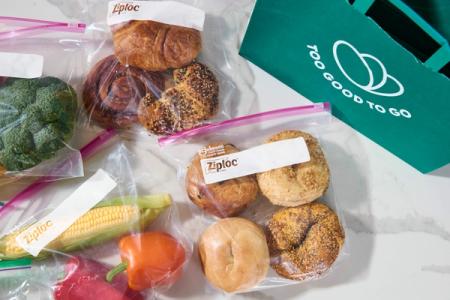
Too Good To Go BlogSurprise Seconds with Ziploc® Brand
September 2, 2026
What is surprise seconds? Together with Ziploc® Brand, we want to help make more of the food already in your kitchen – whether carried home from a restauran...
Too Good To Go BlogHow Food Retailers Can Reduce Inventory Shrinkage
August 20, 2026
Inventory shrinkage looks a little different across every food business. A bakery may close with pastries still in the case, while a convenience store may re...