Too Good To Go Blog
How to Reduce Food Waste and Save Big on Groceries
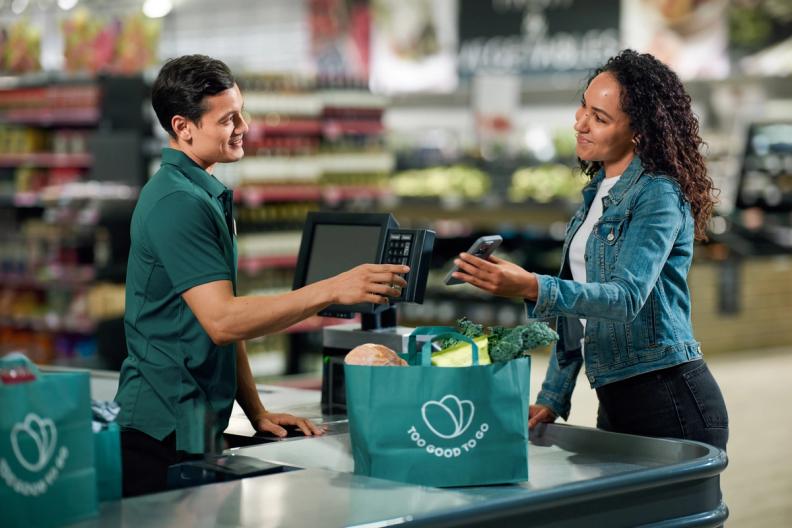
The Grocery Savings Playbook: Tips to Keep More in Your Wallet
Food prices may be rising more slowly than they did in the past couple of years, but they are still climbing. In 2024, Americans spent an average of $165 per household per week at grocery stores. However, some reports show even higher spending, with One survey citing $235 per person, weekly. That adds up to more than $900 a month per person.
Food-at-home prices rose 1.2% in 2024, compared to 5% the year before, but individual categories saw steeper hikes. Egg prices alone climbed 8.5% in 2024 due to avian flu outbreaks, and other staples like beef and veal Increased over 10%. Seniors and fixed-income households have felt the pinch especially hard, with nearly 48% of seniors reporting significantly higher grocery costs in 2025 versus the previous year.
While spending more, consumers are also changing how they shop. Warehouse clubs and online delivery services are taking bigger slices of the grocery pie. Meanwhile, Store brand sales surged to a record $271 billion in 2024, and Online grocery delivery topped $100 billion for the first time, signaling major shifts in where and how Americans buy food.
As shopping habits evolve, one of the smartest and most sustainable ways to stretch your budget is often overlooked: rescuing surplus food. This guide will show you how to do just that with Too Good To Go, alongside practical tips to reduce waste and save on every grocery trip.
Meal Planning and List-Making: The Secret Weapon for Grocery Savings]
One of the simplest and most effective ways to slash your grocery budget is to start before you even step foot in a store. Meal planning helps reduce impulse purchases, minimize food waste, and give structure to your shopping trip so you only buy what you need.
Start by reviewing your weekly schedule. Which nights will you cook at home? Do you need quick meals on certain days, or will you have more time to prep? By aligning your meals with your routine, you’ll be more likely to follow through and avoid last-minute takeout.
Next, take inventory. Look through your pantry, fridge, and freezer for ingredients you already have. Build meals around what’s on hand. If you have pasta, frozen spinach, and a can of tomatoes, you’re halfway to a meal. This practice not only saves money, but it also prevents forgotten ingredients from going bad.
When planning, try using a flexible framework: choose two to three core proteins (like chicken, eggs, or beans), pair them with seasonal vegetables, and round out meals with pantry staples like rice, pasta, or lentils. A simple plan might look like this:
- Monday: Veggie stir-fry with rice and tofu
- Tuesday: Chicken tacos with cabbage slaw
- Wednesday: Leftovers or pantry pasta night
- Thursday: Lentil soup with bread
- Friday: Breakfast-for-dinner with eggs and roasted potatoes
Once you have a meal plan, create a grocery list organized by section (produce, dairy, dry goods, etc.). This saves time in-store and limits distractions that lead to overspending.
Lastly, try to shop once per week and never shop hungry. Frequent trips to the store and hunger increase the chances of impulse buys. A once-a-week habit paired with a strong meal plan can save hundreds over time.
Buy in Bulk (But Only When It Makes Sense)
Buying in bulk can be a smart strategy, but only when used selectively. The key is to focus on non-perishable or freezable items that you know you’ll use.
Staples like rice, beans, oats, canned goods, nut butters, and frozen vegetables are perfect bulk buys. They have long shelf lives and are versatile in recipes. Meat can also be bought in larger quantities, portioned out, and frozen for future use.
However, buying perishables in bulk requires careful planning. Without a strategy, fresh produce or dairy can spoil before you get through it. Unless you're feeding a large family or doing weekly meal prep, stick to manageable amounts.
Another consideration is storage. Make sure you have adequate pantry or freezer space before purchasing items in large quantities. Invest in containers or freezer bags to store items efficiently and avoid spoilage.
Buying in bulk works best when you:
- Have a list and stick to it
- Know your household’s consumption habits
- Avoid bulk impulse purchases
- Have the tools and space to store food properly
Bulk buying isn’t one-size-fits-all. Done right, it’s a powerful tool in your grocery savings toolkit.
Make Strategic Swaps That Save You Money
You don’t need to sacrifice flavor or nutrition to save at the checkout. Making a few clever substitutions in your meals can dramatically cut costs.
Start with store brands. They’re typically 20-30% cheaper than name-brand counterparts and in many cases, they’re made by the same manufacturers. Staples like pasta, canned tomatoes, spices, and even dairy products offer big savings when you shop generic.
Another swap? Stretching proteins. Combine half a pound of ground beef with a cup of cooked lentils or chopped mushrooms. The result: a hearty, protein-rich filling for tacos, sloppy joes, or casseroles with half the cost.
Going meatless even once or twice a week can make a significant dent in your grocery bill. Beans, lentils, tofu, and eggs are budget-friendly sources of protein. You can turn chickpeas into curry, black beans into burgers, or lentils into a warming stew for just a few dollars per serving.
Substitute expensive fresh herbs with dried versions when possible, or grow your own on a sunny windowsill. Buy block cheese and shred it yourself. Use frozen vegetables in place of fresh for stews and stir-fries. These small swaps add up.
The goal isn’t deprivation; it’s intention. Strategic substitutions make your food dollars stretch further while still keeping meals satisfying.
Expert Tips to Save at Every Step
Before You Shop
Getting organized before heading to the store is half the battle. These pre-shopping tips help you save before you even walk out the door:
- Inventory first: Take stock of what you already have. Build meals around ingredients you need to use.
- Create a focused list: Avoid wandering the aisles and impulse buys by sticking to a specific list tied to your meal plan.
- Use a weekly meal calendar: Visualize your meals on a calendar so you know exactly what’s for dinner each night.
- Eat before shopping: Hungry shoppers are more likely to splurge on snacks and extras they don’t need.
While You're at the Store
Your behavior in-store plays a huge role in how much you spend. Stick to these tips for savings at checkout:
- Compare unit prices: Look beyond the sticker price. Price per ounce or pound shows the real value.
- Look high and low: The cheapest items are often shelved above or below eye level.
- Skip convenience items: Pre-cut produce, shredded cheese, and prepared meals come with a premium. Buy whole and prep at home.
- Shop markdowns smartly: Check clearance sections or yellow-tag items, especially for meat, dairy, and bakery goods near their sell-by date.
- Stick to the perimeter: Fresh produce, meat, dairy, and grains are usually found around the edges of the store. Processed snacks and pricey extras lurk in the center aisles.
Save More by Wasting Less: The Too Good To Go Tip
Want to save money while doing something good? One of the most impactful ways to do both is to stop good food from going to waste.
That’s where Too Good To Go comes in. Through the app, users can rescue Surprise Bags of surplus food from local grocery stores, bakeries, cafes, and restaurants, often for around one-third of the retail price.
Each bag is a mystery mix of items that didn’t sell before closing, but are still perfectly fresh. Not only does this help businesses reduce waste, but it also helps users discover delicious new spots and save money on meals, snacks, and pantry items.
Think of it as grocery savings with a feel-good twist. Surprise Bags offer variety from sushi delights and pizzas to grocery staples and healthy fruits and veggies, helping users expand their food options while spending less. The average bag costs around $5.99 and can contain $15–18 worth of food.
Start small. Try one Surprise Bag from a local bakery or grocery store. You might be surprised by what you discover and how much you save.
Preserve, Freeze, and Stretch Your Food Further
How you store and use food at home can make or break your budget. Proper food preservation ensures you get the most value from every grocery trip.
Smart Freezer Use
Invest in freezer bags or airtight containers and label them clearly with contents and dates. Freeze leftovers in single-serving portions for easy lunches. Stock your freezer with soups, sauces, marinated proteins, and prepped veggies so you can throw together meals on busy nights.
Blanch vegetables before freezing to maintain texture. Use ice cube trays to freeze leftover herbs, citrus juice, or broth in small portions. These little hacks reduce waste and make home cooking faster.
Canning and Dry Storage
If you're feeling ambitious, canning fruits, jams, or pickles can extend the shelf life of seasonal produce. Dehydrators are also great for making fruit snacks or preserving herbs.
Keep your pantry organized by date and rotate items so nothing gets lost in the back. Use clear containers when possible so you can see what you have at a glance.
Get Creative with Leftovers
Reframe leftovers as ingredients. Last night’s roasted veggies can be added to eggs, grain bowls, or sandwiches. Extra rice can become fried rice or rice pudding. Cooked meat can turn into tacos, wraps, or soup. Make a game of it and see how many meals you can create from what’s already in your fridge.
Stretching food isn’t just thrifty. It’s resourceful, and it can spark new culinary ideas you might not try otherwise.
Saving Smarter Is a Habit, Not a Hack
There’s no single trick to slashing your grocery bill, but there is a strategy: plan well, shop smart, and think long-term.
By combining savvy tactics, like meal planning, buying strategically, and preserving what you buy, you’ll save money every week. And by adding Too Good To Go into your rotation, you’ll stretch your dollar while making a positive environmental impact.
Grocery savings is not about cutting corners; it’s about making your food budget work harder so you don’t have to.
Ready to make your first food rescue? Download the Too Good To Go app and uncover Surprise Bags waiting near you. You never know what delicious deal you’ll discover.
FAQs About Saving Money on Groceries
What is the average grocery bill per month in the US?
Recent estimates suggest over $900 per month, per person, especially in urban areas and higher-cost regions.
How can I save money without using coupons?
Start with meal planning, store apps, and food rescue platforms like Too Good To Go. These methods require no clipping and yield consistent results.
What is Too Good To Go and how does it work?
Too Good To Go is a mobile app that connects users with local businesses offering surplus food for less. Each Surprise Bag offers a mix of items that would otherwise go to waste.
Does bulk buying save money for smaller households?
Only if you’re able to use or store the food effectively. Otherwise, it can lead to overspending and waste.
How can I waste less food and still eat well?
Use freezer prep, get creative with leftovers, and consider food rescue options like Too Good To Go.
Are store brands really the same quality?
Often, yes. Many are manufactured in the same facilities as name brands but sold under a different label.
Can I save money by going meatless?
Yes. Plant-based proteins like beans, lentils, and tofu cost significantly less than meat and can stretch your grocery dollars further.
start saving food today
Our app is the world's largest marketplace for surplus food. We help users rescue good food from going to waste, offering great value for money at local stores, cafes and restaurants.
Too good to go blog
Too Good To Go BlogMenu Engineering for Restaurants: How to Design a Menu That Reduces Waste
October 19, 2026
Your menu is one of the most powerful tools in your restaurant, and it's probably working harder than you realize. Beyond setting the tone for your guests' e...
Too Good To Go BlogGrocery Store Promotions That Pay Off: Timing, Tactics, and Traffic
October 13, 2026
Grocery store promotions are one of the most common tools operators use to drive traffic and move inventory. However, they are also one of the easiest ways t...
Too Good To Go BlogInside the Numbers: What Too Good To Go Partners Are Recovering
September 29, 2026
Every food business that prepares fresh product has to commit to inventory before it knows what will sell, which means the volume on the shelf at 10 a.m. ref...

Too Good To Go BlogPantry Organization Tips That Help You Waste Less Food
September 21, 2026
Most of the food that gets wasted at home was bought with good intentions. A bag of lentils slides behind a cereal box, a second jar of peanut butter joins t...