Too Good To Go Blog
Local Sponsorships and Partnerships: A Growth Playbook for Grocery Stores
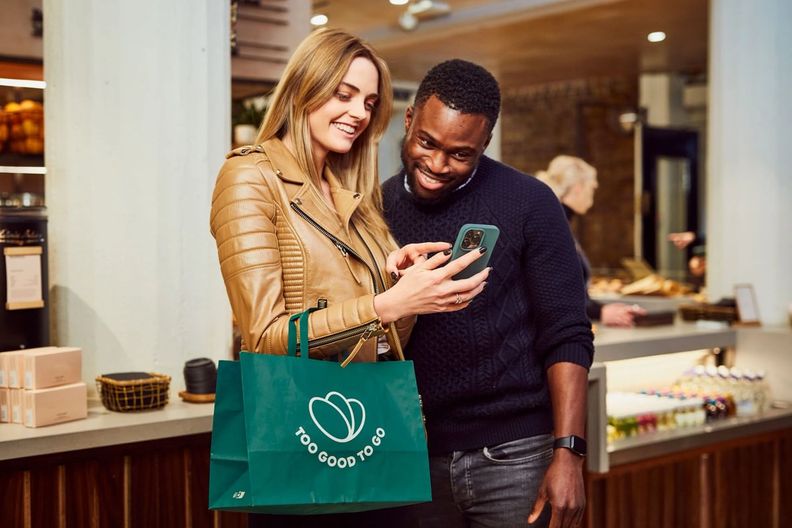
Grocery shoppers are more loyal to where they shop than what they buy. Research shows that 53% stick with a merchant over specific products, which creates a clear opportunity for grocers willing to think beyond the shelf and play a bigger role in their surrounding community. Local sponsorships and partnerships can turn everyday transactions into lasting relationships that keep customers coming back.
This growth playbook explores how those connections take shape. From working with nearby farms and specialty makers to showing up at community events or supporting local schools, the right partnerships can expand your reach while deepening trust. The result is stronger visibility, closer ties to your neighborhood, and more reasons for shoppers to choose your store again and again.
Ready to grow your store’s local presence? Explore 10 local sponsorships and partnerships that can help grocery stores stand out.
1. Local Farms
Few things signal quality faster than a truly fresh produce section, especially when it’s stocked with items grown close to home. A 2025 independent grocers surveyfound that well-run fresh departments continue to drive both sales growth and overall profitability. Partnering with nearby farms helps you deliver on that promise of freshness in a way shoppers can actually see and taste.
As part of your local sponsorships and partnerships strategy, farm collaborations can show up in simple but effective ways. Seasonal produce features or co-branded signage can highlight local sourcing, and “meet the grower” events can give shoppers a better sense of where their food comes from. That added transparency can build confidence in your store and encourage repeat visits.
2. Local Bakeries or Specialty Food Makers
Beyond fresh produce, it’s often the deli and bakery that power profitability. Recent data shows these categories play a critical role in maintaining basket size, even as discretionary spending dips. Partnering with local bakers or specialty food makers can bring more variety and character to these sections, giving shoppers a reason to explore beyond their usual picks.
As part of your local sponsorships and partnerships strategy, these collaborations can take shape through simple merchandising. Pairing fresh bread from a nearby bakery with deli-prepared items or featuring a local dessert alongside ready-to-go meals can encourage add-on purchases. These moments support discovery and simultaneously increase overall spend.
3. Cooking Classes or In-Store Demos
Bring the makers behind your products into the spotlight by turning your grocery store into a place where food comes to life. Cooking classes and in-store demos featuring local chefs or nutritionists can position your store as a trusted source for inspiration, not just ingredients. These events help increase foot trafficand introduce a more experience-driven approach to weekly shopping trips.
4. Surplus Food Recovery Solutions
In-store experiences can spark interest, but the next step is giving customers a reason to come back more often. Surplus food marketplaces offer a simple way to do just that by finding a new purpose for excess inventory. With platforms like Too Good To Go, grocers can bundle surplus items into discounted Surprise Bags that local customers purchase through the app and pick up in store.
By partnering with a surplus food recovery solution like Too Good To Go, retailers create a steady source of traffic and generate secondary revenue from items that might otherwise go unsold. A whopping 61% of Too Good To Go shoppers visited a store for the first time because of their Surprise Bag, and 41% added extra items during pickup, bringing in new customers and increasing their basket size.
Grocers can bundle a wide range of items into Surprise Bags, including but not limited to:
- Fresh fruits and vegetables
- House-made juices and smoothies
- Bakery items like pastries, donuts, and muffins
- Prepared foods such as sandwiches, salads, and pizza
5. Neighborhood Events and Festivals
Once your store becomes a place people want to spend time, it’s time to bring that same energy into the community. Local sponsorships and partnerships can extend your presence beyond the store by showing up where your customers already gather. Neighborhood events and festivals offer a natural way to connect with new audiences and solidify your role as a familiar face.
Setting up a booth or offering samples can spark curiosity and invite conversation, while giving out branded items help your store stay top of mind after the event ends. These moments put your store in front of shoppers who may not have stopped in yet and give existing customers another reason to stay engaged. Over time, that added visibility can help turn first impressions into frequent visits.
6. Schools and Youth Programs
Outside of public events, nearby schools offer a more consistent way to stay connected to your community. Partnering with local schools and youth programs can help your store become part of teachers’ and families’ everyday routines, creating a shared path to long-term loyalty. These partnerships can take many forms, including:
- Sponsoring local sports teams
- Hosting or supporting fundraisers
- Supplying snacks for school events
- Offering discounts for families and school staff
7. Community Centers and Senior Programs
Building on school partnerships, community centers, and senior programs offer another way to connect with the people who live closest to your store. Sponsorships in this space can help you reach a broader range of shoppers while showing a consistent presence in everyday community life. Hosting nutrition workshops or supporting programming at local centers can position your store as a helpful, reliable resource.
Other efforts can focus on making your store more accessible and relevant to these groups. Offering discount days for seniors or creating simple delivery options for customers with mobility challenges can make it easier for more people to shop with you. These touchpoints can expand your reach across different age groups and reinforce a sense of inclusion that builds long-term loyalty.
8. Local Nonprofits and Food Banks
After creating a strong presence in everyday spaces, partnering with nonprofits and food banks can deepen your community impact. Local sponsorships and partnerships in this area connect your store to causes that matter to the people you serve. That connection can influence where they choose to spend: 91% of consumerswould switch to a brand associated with a good cause when price and quality are comparable.
These partnerships can be simple to put into action. Donation drives give shoppers a clear way to participate, whereas round-up programs make giving feel effortless at checkout. Volunteer days can even bring your team into the effort. Even better, employees who feel tied to a larger mission often show up more engaged and stay longer, which can support store growth from the inside out.
9. Holiday Drives and Seasonal Campaigns
Some of the strongest engagement happens during specific times of year, when shopping patterns naturally shift. Holiday drives and seasonal campaigns give your store a chance to meet that demand with purpose, tying your efforts to what people are already preparing for. These initiatives can create a sense of urgency and relevance that encourages more participation in a shorter window.
A few common approaches include:
- Holiday food donation campaigns
- Back-to-school supply or snack drives
- Thanksgiving meal support for local families
- Seasonal promotions tied to community needs
10. Composting and Organic Waste Initiatives
Taking sustainability a step further, composting and organic waste initiatives offer a practical solution for reducing grocery food waste. Partnering with local composting services or municipal programs can help divert food waste from landfills while showing customers that your store is taking action behind the scenes. These efforts make sustainability visible in a way that feels grounded and credible.
They also reflect a broader shift in how grocery stores think about excess food. Finding ways to redirect or repurpose what does not sell can support both environmental goals and operational efficiency. Over time, these initiatives can reinforce your store’s role as a responsible community partner without needing to overstate the impact.
Grow Your Community with Local Sponsorships and Partnerships
Local sponsorships and partnerships give grocers a way to stay connected to the people they serve. Showing up in meaningful ways can make your store more relevant in everyday decisions about where to shop. Over time, that consistency can support growth and build lasting loyalty. One way to put that into action is by rethinking what’s already on your shelves.
With food recovery solutions like Too Good To Go, grocers can offer Surprise Bags filled with unsold items at a discounted price, giving nearby shoppers a reason to stop in and helping give good food a second life. It’s a simple way to drive foot traffic and grow customer loyalty with what you already have on hand, which is a win for both your store and your community.
Frequently Asked Questions
What are local sponsorships and partnerships for grocery stores?
Local sponsorships and partnerships are collaborations with nearby organizations or groups that help grocery stores build visibility and connect with their surrounding community.
How do local sponsorships and partnerships help grocery stores grow?
They help grocery stores reach new shoppers and increase foot traffic. Relevant sponsorships and partnerships also create stronger reasons for customers to return, which can enhance long-term loyalty.
What are examples of local sponsorships for grocery stores?
Examples include sponsoring school programs, participating in neighborhood events, or hosting in-store collaborations with local food makers.
What partnerships increase grocery store foot traffic?
Partnerships with local farms, community events, or nearby businesses can bring new shoppers in and encourage more frequent visits.
How can grocery stores reduce food waste through local partnerships?
Grocery stores can work with local organizations to donate surplus food and support community needs. Surplus food marketplaces such as Too Good To Go can also help give excess a new life and serve as an additional revenue channel. Platforms like Too Good To Go also sell excess items directly to nearby shoppers.
start saving food today
Our app is the world's largest marketplace for surplus food. We help users rescue good food from going to waste, offering great value for money at local stores, cafes and restaurants.
Too good to go blog

Too Good To Go BlogInside the Numbers: What Too Good To Go Partners Are Recovering
September 29, 2026
Every food business that prepares fresh product has to commit to inventory before it knows what will sell, which means the volume on the shelf at 10 a.m. ref...

Too Good To Go BlogPantry Organization Tips That Help You Waste Less Food
September 21, 2026
Most of the food that gets wasted at home was bought with good intentions. A bag of lentils slides behind a cereal box, a second jar of peanut butter joins t...

Win $250 app credits & more!Surprise Seconds Sweepstakes
September 17, 2026
Surprise Seconds Sweepstakes: Official Rules Details Page OFFICIAL RULES. NO PURCHASE NECESSARY TO ENTER OR WIN. A PURCHASE DOES NOT INCREASE THE CHANCES...

Too Good To Go BlogHow Convenience Store Trends Are Changing C-Store Operations
September 3, 2026
U.S. convenience stores rang up $341.2 billion in in-store sales in 2025, the 23rd straight year of inside-sales growth. That growth is no longer coming from...