Too Good To Go Blog
From Quiet to Crowded: Your Footfall Action Plan
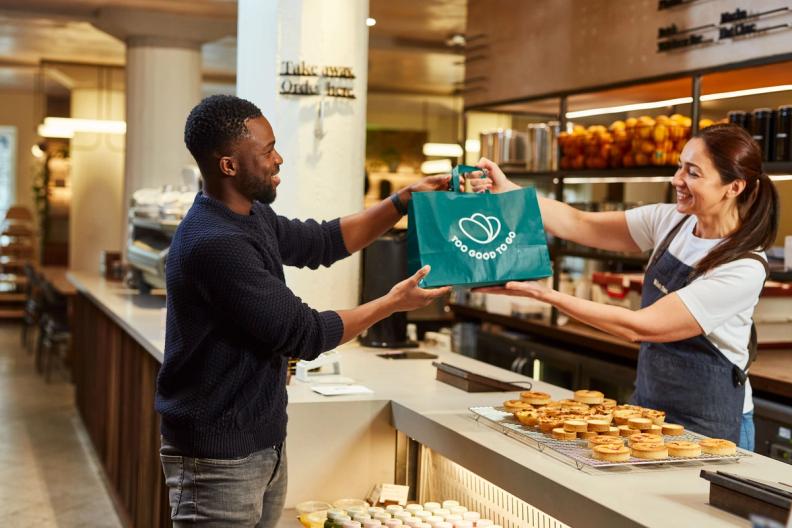
For grocery stores, convenience shops, bakeries, and restaurants, foot traffic can feel like it’s always fluctuating. Some days move quickly, with steady lines and strong sell-through across departments, while other days feel unexpectedly slow, leaving prepared foods, fresh items, or short-dated products sitting longer than anticipated. Balancing freshness, margins, staffing, and unpredictable demand is part of everyday operations in food retail, and even well-run stores can feel the impact when foot traffic dips.
Steady in-store traffic creates ongoing opportunities for product discovery and sell-through, allowing more inventory to move through the business at full value rather than through markdowns or loss. For operators looking to strengthen foot traffic in their store, growth often begins with a closer look at how everyday operational decisions and surplus management influence those steady, repeat visits.
The Ripple Effect of a Busy Foot Traffic Store
Unlike many retail categories, food purchasing is frequent and habit-driven. Households return weekly, and often multiple times per week, to stock up on goods. When a store becomes part of that rhythm, revenue becomes more stable, and forecasting becomes easier.
Each customer visit has its own layered value. A customer who enters to pick up dinner may also add produce for tomorrow’s lunch. Someone stopping in for a reserved order may notice seasonal items or discover a department they had not previously explored. Over time, these interactions build familiarity and trust, which matter more in food retail than in most other industries. Because of this, increasing foot traffic in a food retail store is less about creating one-time spikes and more about shaping repeat behavior. The operators who see the most consistent growth tend to focus on strengthening the reasons customers return again and again.
What Drives Foot Traffic in a Food Retail Store?
Foot traffic builds gradually, shaped by how dependable your store feels and whether customers have consistent reasons to return. Reliability often plays a big role in driving repeat visits. When your foot traffic store operates with a predictable rhythm, customers begin to incorporate it into their routine rather than treating each visit as a separate choice.
Surplus management also affects foot traffic in practical ways. Fresh and prepared foods rarely sell at identical speeds each day, and small forecasting gaps are inevitable. Stores that approach surplus with a plan rather than as an end-of-day afterthought are often able to shape traffic more intentionally. By structuring how and when surplus or limited-time offerings are made available, you can introduce defined windows that bring customers through the door at times that may otherwise feel slow.
How your community perceives your store is another piece of the equation. Shoppers are increasingly aware of how food businesses handle waste and sustainability, and those observations shape trust over time. For many families and younger consumers in particular, visible food-saving efforts can influence where routine shopping happens. In this way, operational decisions extend beyond the back of house, shaping how often customers choose to return.
Simple Shifts That Can Increase Foot Traffic
If you’re looking to strengthen your foot traffic store performance, the answer lies in rethinking how everyday decisions inside the store influence who walks through the door and how often they come back.
1. Create Predictable Reasons to Visit
Many food retailers rely on general promotions that rotate frequently but lack a consistent cadence. While limited-time offers can drive occasional foot traffic spikes, predictable scheduling tends to influence repeat behavior more effectively. When a store introduces recurring elements such as a weekly prepared meal feature or a rotating local product spotlight tied to a specific day, customers will start to anticipate those moments. Over time, those touchpoints can become part of a shopper’s weekly routine.
2. Use Slower Hours Strategically
Every food retailer experiences natural traffic dips during the day. Mid-afternoon in grocery stores, late morning in cafés, or early evening in convenience shops may feel noticeably quieter than peak hours. Instead of accepting those slow periods as fixed, operators can create reasons for customers to visit during those windows. This could look like promoting fresh bakery batches with defined availability or aligning pickup windows with historically slower hours. Customers who know that something becomes available at a certain time of day are more likely to plan around it. This allows for more balanced staffing throughout the day and helps smooth daily revenue fluctuations.
3. Strengthen Neighborhood Awareness
In many communities, foot traffic doesn’t stall because of dissatisfaction but because of limited awareness. Local shoppers may not fully understand what your store offers or how it differs from competitors. It’s important to extend your visibility beyond current shoppers by participating in neighborhood events, collaborating with nearby businesses, or building partnerships with schools, offices, or residential complexes. Even small efforts to reinforce your foot traffic store’s presence within a defined radius can help bring in new customers and revenue over time.
4. Reduce Friction Around Returning
Sometimes the barrier to stronger traffic is not increasing demand but removing friction. Everything from unclear pickup instructions and limited signage around offerings to confusing communication about availability can quietly discourage repeat visits. Auditing the customer journey from the parking lot to checkout can help reveal where small improvements can be made to make returning easier.
5. Turn Surplus Into a Reason to Visit
Surplus is inevitable in food retail, but how it’s handled can have a direct impact on your store's foot traffic. Reactive end-of-day markdowns can erode margin and train customers to wait. Structured surplus programs, on the other hand, create defined windows that customers can rely on. Platforms like Too Good To Go support this structure by allowing stores to bundle unsold items into Surprise Bags that customers collect in-store at a time you set. Bags are typically sold at 50-75% below their original retail value, helping you unlock revenue from excess inventory while creating a defined reason to visit.
Because customers reserve and pre-pay before arriving, each bag represents confirmed traffic. In fact, 61% of customers say they only visited the store because of their Surprise Bag, and 41% purchased additional items once inside. In practice, this means surplus recovery not only protects margins, but it also introduces new shoppers and incremental revenue. When integrated into your broader operational planning, a structured surplus program can support what every foot traffic store ultimately needs, which is predictable reasons for customers to walk through your door.
6. Make Food Waste Reduction Visible
For a food retail store, sustainability becomes meaningful when customers can actually see it in action. In the United States, 38% of all food goes unsold or uneaten, totaling nearly 149 billion meals per year. Shoppers are increasingly aware of this scale, and stores that can demonstrate how they manage food waste responsibly can differentiate themselves from competitors. Over time, that reputation becomes part of why people choose to come back, especially in grocery, convenience, and prepared food retail, where routine drives revenue.
Build Foot Traffic That Lasts
Growing stronger foot traffic doesn’t happen overnight, but it does happen through consistent, thoughtful decisions that make it easier for people to choose you and feel good about doing so.
If you’re ready to bring more people through your doors and unlock real value from your surplus food while you’re at it, explore how Too Good To Go can help you do both.
Frequently Asked Questions
What is foot traffic and why does it matter for retail stores?
Foot traffic refers to the number of customers who physically visit your store within a given period. It matters because in-store visits create opportunities that online channels simply can’t replicate, like impulse purchases, upsells, and the kind of face-to-face experiences that build lasting customer loyalty.
How do I measure foot traffic in my store?
The most common methods include door counters or people-counting sensors, point-of-sale transaction data, and loyalty program check-ins. Many retailers also track footfall by time of day or day of week to identify patterns and plan staffing more effectively.
What is a Surprise Bag and how does it work for store partners?
A Surprise Bag is a bag of surplus food offered at a great price through the Too Good To Go app. As a store partner, you set the contents, price, and collection window. Customers save their bag through the app and collect them in-store, which generates a visit, recovers revenue from surplus, and gives new customers a reason to discover your store.
How quickly can partnering with Too Good To Go generate new foot traffic?
Many partners see new visits from their very first Surprise Bags. Because Too Good To Go has an existing base of active users looking for bags near them, your store becomes discoverable to local shoppers immediately after going live on the app.
Does Too Good To Go work for all types of retail stores, or just food businesses?
Too Good To Go is designed for any business with surplus food, including grocery stores, convenience stores, bakeries, cafes, delis, and supermarkets. If you have perishable or short-dated food at the end of the day, Too Good To Go can help you turn it into foot traffic and recovered revenue.
How does saving food from going to waste connect to customer loyalty?
Customers increasingly want to support businesses that align with their values. When they know that choosing your store helps reduce food waste, the visit carries more meaning than a simple transaction. That emotional connection is one of the most reliable drivers of repeat visits and long-term loyalty.
Is there a cost to becoming a Too Good To Go partner?
Too Good To Go partners sell surplus through the app and share a portion of the revenue from each bag sold. Learn more about current pricing and partnership terms:
start saving food today
Our app is the world's largest marketplace for surplus food. We help users rescue good food from going to waste, offering great value for money at local stores, cafes and restaurants.
Too good to go blog

Win $250 app credits & more!Surprise Seconds Sweepstakes
September 17, 2026
Surprise Seconds Sweepstakes: Official Rules Details Page OFFICIAL RULES. NO PURCHASE NECESSARY TO ENTER OR WIN. A PURCHASE DOES NOT INCREASE THE CHANCES...
Too Good To Go BlogHow Convenience Store Trends Are Changing C-Store Operations
September 3, 2026
U.S. convenience stores rang up $341.2 billion in in-store sales in 2025, the 23rd straight year of inside-sales growth. That growth is no longer coming from...
Too Good To Go BlogSurprise Seconds with Ziploc® Brand
September 2, 2026
What is surprise seconds? Together with Ziploc® Brand, we want to help make more of the food already in your kitchen – whether carried home from a restauran...
Too Good To Go BlogHow Food Retailers Can Reduce Inventory Shrinkage
August 20, 2026
Inventory shrinkage looks a little different across every food business. A bakery may close with pastries still in the case, while a convenience store may re...