Too Good To Go Blog
Too Good To Go: The Technology Helping Grocers and Restaurants Reduce Food Waste
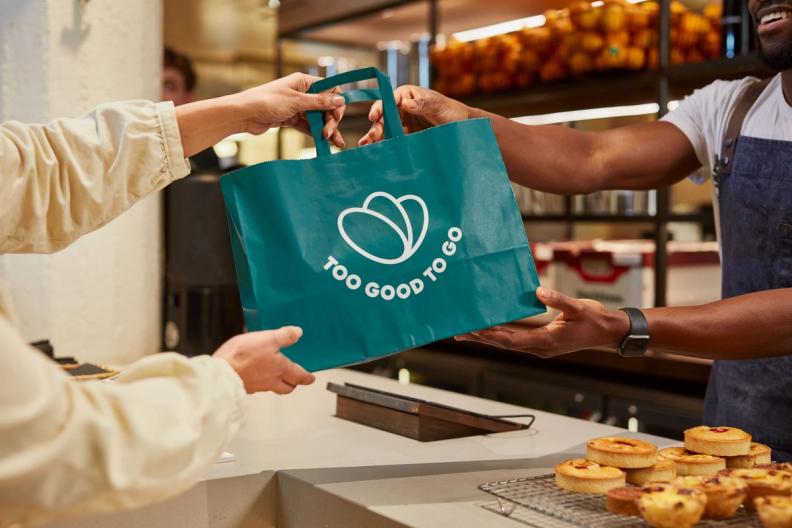
In the food business, not everything that’s stocked or served makes it into a customer’s cart or onto their table. Across the United States, $384 billion worth of food goes unsold or uneaten each year, with prepared foods, fresh produce, and dry goods leading the pack.
Grocers and restaurants work hard to balance inventory with demand, doing everything they can to get food out the door while it’s at its best. Still, surplus happens, sell-by windows approach, and prepared foods don’t move as expected. Seasonal forecasts shift faster than teams can react.
While surplus may be inevitable, waste doesn’t have to be. The real opportunity lies in how to reduce food waste with technology that fits seamlessly into everyday operations. That’s where structured, scalable tools like Too Good To Go make a measurable difference.
Food Waste is a Problem We Can’t Afford to Ignore
Nationwide, about 30% of food in grocery stores goes unsold each year, adding up to nearly 16 billion pounds of surplus. Restaurants, cafés, and bakeries face a similar reality. Food service generates up to 12.5 million tons of food waste annually, driven by preparation loss, overproduction, and portions that go uneaten.
At the same time, the cost of food continues to climb. Prices rose nearly 25% between 2020 and 2024, and operators are still navigating supply chain disruptions, tighter margins, and tariffs affecting an estimated 40,000 food products. When inventory is more expensive to source, surplus becomes more expensive to absorb.
However, the cost of surplus doesn’t stop at the register. Across the United States, unsold or uneaten food accounts for 24% of landfill inputs and contributes 3.5% of greenhouse gas emissions. What goes unpurchased today often becomes part of a much larger environmental challenge tomorrow, but there’s a solution within reach.
Technology is Changing How Surplus Food is Managed
Nearly 45% of food that goes unsold is still safe to enjoy. Luckily, grocery stores and restaurants have long relied on in-store discounts, donations, and composting to manage that edible surplus. These efforts matter, and continue to play an important role, but they often require hands-on coordination that can be difficult to scale across teams and locations.
That’s where technology begins to shift what’s possible. When businesses consider how to reduce food waste with technology, they’re not replacing existing efforts — they’re strengthening them. Digital platforms like Too Good To Go introduce structure to the mix, turning edible surplus recovery into a more predictable, measurable part of daily operations.
Instead of relying solely on manual processes, app-based technology makes it easier to:
- Manage edible surplus in real time, so food can be redirected to customers while it’s still fresh and desirable.
- Connect excess inventory with nearby customers, creating demand for items that might otherwise go unsold.
- Track recovery impact, giving operators insight into what’s being saved and what value is being recovered.
For grocery stores and restaurants, this technology allows surplus recovery to fit naturally into existing workflows. Teams know when to set aside food that’s ready for a second chance, customers know when to pick them up, and the process runs alongside regular operations. Technology saves teams time while helping more good food reach people instead of landfills.
How to Reduce Food Waste with Technology
One of the most practical answers to how to reduce food waste with technology is creating a direct, digital bridge between leftover food and local demand. Too Good To Go does exactly that as the world’s largest surplus food marketplace, where grocery stores and restaurants bundle unsold items into Surprise Bags to sell to nearby customers at a reduced price.
Here’s how the Surprise Bag model works:
- Businesses set aside surplus food that is still safe to enjoy but may not sell in time.
- Businesses select a pickup window for Surprise Bags that aligns with their operations.
- Teams bundle it into Surprise Bags sold at 50-75% of the contents’ original retail value.
- Customers discover and purchase directly in the app.
- Pickups happen on a consistent schedule, so surplus moves before it becomes inedible.
Too Good To Go introduces grocery stores and restaurants to local customers looking for a great deal and a feel-good purchase, driving real foot traffic and repeat visits from people who may not have walked in otherwise. The same system that keeps good food in circulation can also help grow community awareness and turn first-time pickups into long-term customers.
For Grocers: Making the Most of What’s on the Shelf
Timing matters in retail. A grocery food waste solution like Too Good To Go gives stores a way to move inventory that needs to sell soon. For grocers, that might mean recovering:
- Bakery items nearing the end of their freshness window
- Refrigerated products approaching sell-by dates
- Produce with cosmetic imperfections
- Prepared meals that didn’t sell
Local grocers like Pemberton Farms are using Surprise Bags to move surplus while bringing new shoppers into the store. Since partnering with Too Good To Go, the team earned $47,659 in Surprise Bag revenue, saved 12,280 meals from going to waste, and saw an 87% return rate among new shoppers, transforming time-sensitive inventory into steady foot traffic.
For Restaurants: Turning Surplus Into Second Chances
Too Good To Go also helps reduce food waste in restaurants by giving fresh, time-sensitive food a clear path to customers through Surprise Bags. For restaurants, Surprise Bags may include:
- Limited-time menu inventory
- Unsold lunch service items
- End-of-day prepared foods
- Extra catering portions
Restaurants like Smoque BBQ use Too Good To Go to give unsold food a second chance. Because the barbecue is made fresh daily and demand can vary, some surplus is unavoidable. Since partnering with Too Good To Go, the restaurant has generated $27,882 in revenue, saved 8,989 meals, and built an 89% return rate among new customers, turning unpredictability into opportunity.
From Problem to Opportunity with Technology
Too Good To Go was built around a simple idea: surplus food still has value. Technology makes it easier to unlock that value at scale. When surplus recovery aligns with daily operations, it becomes less about managing waste and more about making the most of what’s already there. That’s where real progress begins — for businesses, for local customers, and for the planet.
Frequently Asked Questions
What is food waste?
Food waste refers to food that is safe to enjoy but goes unsold or uneaten, often due to overproduction, shifting demand, cosmetic imperfections, or approaching sell-by dates.
How does Too Good To Go help reduce food waste with technology?
Too Good To Go offers a digital marketplace where businesses bundle surplus food into discounted Surprise Bags, allowing customers to purchase and pick up items before they go to waste.
What are Surprise Bags?
Surprise Bags are discounted bundles of surplus food sold through the Too Good To Go app. Customers purchase in advance and pick up during a designated window.
How can grocery stores reduce food waste?
Grocery stores can reduce food waste through in-store discounts, donation programs, composting initiatives, and technology platforms like Too Good To Go that help bundle and sell time-sensitive bakery items, prepared meals, and short-dated products directly to local customers.
How can restaurants reduce food waste?
Restaurants often rely on donation partnerships, composting programs, and smart portion planning, while also partnering with platforms like Too Good To Go to create a simple way to sell unsold prepared foods, extra catering portions, or limited-time items before they become waste.
Does reducing food waste also help increase revenue?
It can! By selling surplus instead of discarding it, businesses can recover value, attract new customers, and generate additional revenue from items that might otherwise be lost.
What types of food can be sold through Too Good To Go?
Businesses can include bakery items, prepared meals, produce, refrigerated products, limited-time menu items, and other surplus food that remains safe and high-quality.
start saving food today
Our app is the world's largest marketplace for surplus food. We help users rescue good food from going to waste, offering great value for money at local stores, cafes and restaurants.
Too good to go blog

Win $250 app credits & more!Surprise Seconds Sweepstakes
September 17, 2026
Surprise Seconds Sweepstakes: Official Rules Details Page OFFICIAL RULES. NO PURCHASE NECESSARY TO ENTER OR WIN. A PURCHASE DOES NOT INCREASE THE CHANCES...
Too Good To Go BlogHow Convenience Store Trends Are Changing C-Store Operations
September 3, 2026
U.S. convenience stores rang up $341.2 billion in in-store sales in 2025, the 23rd straight year of inside-sales growth. That growth is no longer coming from...
Too Good To Go BlogSurprise Seconds with Ziploc® Brand
September 2, 2026
What is surprise seconds? Together with Ziploc® Brand, we want to help make more of the food already in your kitchen – whether carried home from a restauran...
Too Good To Go BlogHow Food Retailers Can Reduce Inventory Shrinkage
August 20, 2026
Inventory shrinkage looks a little different across every food business. A bakery may close with pastries still in the case, while a convenience store may re...