Too Good To Go Blog
2026 Retail Foot Traffic Trends & Stats: What’s Driving Store Visits Today
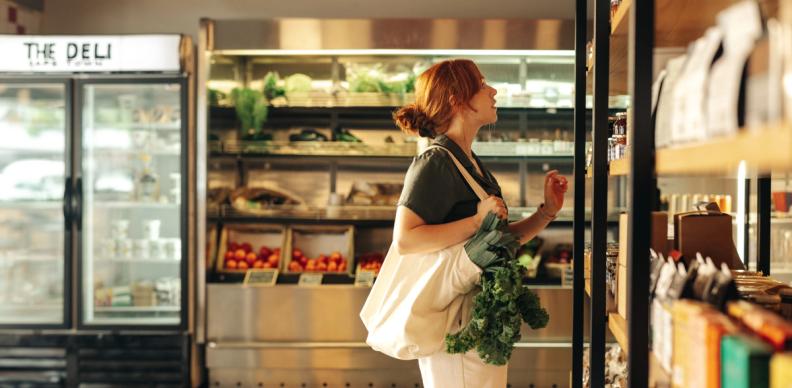
From game-day bites on Super Bowl weekend to holiday spreads during Thanksgiving week, there are several moments throughout the year when food retailers can expect traffic to surge. The bigger question is what brings customers in on an ordinary day, and the answer might surprise you. Recent retail foot traffic trends point to a more intentional mindset, shaped by what consumers expect to get out of each visit.
More than 65% of consumers say rising food prices directly change how they spend, often spreading their purchases across local grocers, restaurants, cafés, and convenience stores in search of the best value. Yet even with that focus on price, there’s a growing appetite for discovering something new with each stop they make. Here’s how food retailers can turn these foot traffic insights into action.
What Are The Biggest Food Retail Foot Traffic Trends for 2026?
Whether it’s a weekly grocery shop, a quick mid-day pick-me-up, or a stop at the drive-thru, retail foot traffic trends are evolving alongside how consumers approach food purchases. Today’s customers are showing up with a clearer purpose while still leaving room in the budget for whatever stands out on the menu or on the shelf. How that plays out depends on where — and how — customers choose to visit.
More Grocery Trips With Smaller Baskets
Brick-and-mortar food retailers are seeing steady foot traffic; however, shoppers are filling smaller baskets per visit. Many are stopping by more often, using each trip to manage spending in real time rather than relying on a single stock-up shop. That behavior is leading to more frequent decision-making in-store, where pricing and promotions can influence what makes it into the week’s basket.
Guests are also spreading purchases across multiple retailers based on value and availability. Rather than completing one large shop in a single location, they’re dividing their spend across traditional grocers, specialty food shops, and convenience stores. This pattern indicates retailers are competing for portions of the grocery list rather than the full basket, even as overall foot traffic remains strong.
Faster, More Purposeful In-Store Visits
Food retail foot traffic trends also show that time spent in-store is shrinking. As of 2025, visits lasting less than 15 minutes made up more than 40% of grocery trip nationwide, up from 37.9% in 2022. These quicker trips are becoming a regular part of how customers navigate their routine, particularly across stores designed for quick, in-and-out visits.
Many are entering food retailers with a specific need, such as a quick restock of a favorite snack or a single item they prefer to select themselves, like fresh produce. However, customers will still leave time to aisle surf or check the display case for unplanned purchases, especially when something stands out as a good deal or an unexpected find.
More Snacks and Meals Taken Off-Premises
The shift toward shorter, more purposeful visits extends beyond grocery and convenience aisles and into quick-service operators and full-service restaurants. Foot traffic has remained steady throughout the start of the year, but it is increasingly tied to pickup and takeout orders rather than time spent on-premises. Nearly 75% of restaurant traffic now happens off-premises, meaning almost three out of four visits are built around speed and convenience.
These orders account for a larger share of sales compared to 2019, prompting continued investments in curbside pickup and dedicated takeout spaces. As these formats expand, the opportunity is not just to fulfill orders efficiently, but to capture additional spend at pickup. With over 80% of consumers utilizing deals like “Buy One, Get One” offers or real-time specials, limited-time promotions and well-placed offers may help boost average ticket size.
How is Inflation Influencing Food Retail Foot Traffic?
Between average spend and time spent on-site, retail foot traffic trends show that inflation is not keeping consumers away, but it is reshaping how they move through retailers. Food purchases are becoming more deliberate, with customers paying closer attention to what they buy and how much they spend each visit. The focus has shifted from convenience to control, with many looking for ways to stretch their budget.
That shift reflects a broader reality for many customers, as 68% say they still struggle to afford groceries, and overall spend has declined 18% compared to fall 2024. Even so, most are not abandoning their favorite local spots. Many are opting for lower-priced or private label items in stores, while in restaurants, 66% of guests say they are simply dining out less often rather than switching to cheaper alternatives.
However, some customers are pulling back more noticeably.
A portion (30%) are buying fewer items per visit, while others (24%) are exploring lower-cost food retailers. Higher-income consumers are still more likely to prioritize full restaurant meals, though others are spending on lower-cost prepared drinks and snacks. These changes may influence the direction of foot traffic, making the on-site experience more important than ever in guiding how today’s consumers choose to spend.
For retailers, that means offering options that feel worth the stop.
What Motivates Food Retail Foot Traffic in 2026?
As inflation continues to shape spending habits, food retail foot traffic trends show that what brings customers in is becoming far more defined. Consumers are making decisions based on what they expect to gain from each visit, whether that’s extra savings, more efficiency, or a better overall experience.
Price remains one of the strongest drivers: 66% of grocery shoppers say lower prices influence where they shop, and 44% are planning trips around available discounts. In quick-service and full-service restaurants, 80% of consumers already rely on promotions and real-time specials before they decide where to go.
That behavior reflects a more intentional approach, where guests are more willing to visit when they know there is an opportunity to save.
Convenience plays a major role, too: 58% of shoppers prioritize finding the items they need quickly, while 54% choose stores based on proximity to home or work. Among diners, 94% say speed is what they want most, with half of Gen Z adults (50%) and millennials (52%) saying they’d even order from an AI-generated video assistant.
Variety is another reason customers keep coming back: 46% say a wide product range matters when choosing where to shop, and that increasingly includes house brands. In 2026, 72% of consumers report purchasing private label products regularly, with 55% appreciating the unique flavors these options bring.
All this being said, the on-site experience matters. While 42% of consumers cite customer service as a factor in where they shop, another 37% point to the quality of products on the shelf or in the display case. Among limited and full-service restaurant-goers, over nine in 10 guests count customer service as a top priority.
Why Are Discovery-Driven Food Purchases On the Rise?
Retail foot traffic trends also show that customers are becoming more willing to experiment with what they buy, especially during everyday occasions. These discovery-driven visits are shaped by trust as much as convenience. Nearly 80% of shoppers say they trust their local retailers to offer fair, personalized deals, which often carries over to how they approach food purchases.
More than three-quarters of shoppers say they will switch brands if a promotion helps them save, even if they came in with something else in mind, and 23% of guests are testing out cheaper items at their favorite restaurants. Discovery is holding space in tighter budgets, with categories like deli and bakery proving to help maintain spend by catching customers’ attention at the right time.
That pattern extends beyond packaged items to freshly prepared options. Despite economic uncertainty, consumers remain open to trying new menu options, especially at lunch. Nearly half (49%) say they discover new or innovative flavors during midday meals, creating an opportunity for food retailers to introduce handheld or grab-and-go items that appeal to this curious crowd.
What Retail Foot Traffic Trends Means for Today’s Operators
Retail foot traffic trends reflect a new dynamic in how consumers approach food runs. Retailers that respond to these changes in real time will be better positioned to win a greater share of their spend, no matter how quick or varied trips become. Luckily, there are a few ways to do just that:
- Strengthen financial forecasting and scenario planning to stay ahead of shifting demand. The ability to model different outcomes and adjust quickly can help protect margins and guide smarter decisions.
- Find ways to appeal to guests looking for savings and variety. Solutions like Too Good To Go Surprise Bags give consumers a reason to stop in for pickup, turning unsold food into value-driven offers that build repeat visits.Too Good To Go Surprise Bags give consumers a reason to stop in for pickup, turning unsold food into value-driven offers that build repeat visits.
- Make in-store moments count by creating opportunities for discovery. Rotating offers, well-timed promotions, and strategic product placement can encourage unplanned purchases and increase average spend.
Retail Foot Traffic Trends Show Where Spend is Headed Next
Retail foot traffic trends make it clear that customers are still stopping by, but each trip carries more intention. Value, convenience, and the chance to discover something new are shaping how and why guests walk through the door. For retailers, that creates an opportunity to meet them with in-store experiences that feel relevant and rewarding, turning everyday visits into something more engaging.
Solutions like Too Good To Go make that easier by helping retailers transform surplus food into offers that connect with nearby customers and create more steady foot traffic. Explore how the Too Good To Go app works today.
FAQ: Food Retail Foot Traffic Trends
What are the biggest retail foot traffic trends across food retailers today?
Retail foot traffic trends show more frequent trips with shorter visit times. Customers are demonstrating increased deal-seeking behavior, prioritizing value and making more intentional decisions about when and where they spend on food.
How is inflation affecting food retail foot traffic?
Inflation is generally changing how people shop, not stopping foot traffic. Many customers are adjusting what they buy and where they go, often spreading purchases across different food retailers to manage costs.
What motivates customers to visit food retailers in 2026?
Price remains a major driver, especially when promotions or discounts are available. Many customers also prioritize speed and ease, choosing to visit when they know they can get what they need or be waited on quickly.
What are discovery-driven food purchases?
Discovery-driven food purchases happen when customers make decisions based on what catches their attention in the moment. These choices are often influenced by pricing and promotions, which usually lead to unplanned purchases and brand switching. Certain occasions, such as lunch, also influence customers to experiment with new flavors or cuisines.
How can retailers increase foot traffic in today’s market?
Food retailers can attract more foot traffic by offering clear value and introducing new items that stand out. Creating opportunities for discovery, such as rotating promotions, or unique reasons to drop by the store, like Too Good To Go Surprise Bags pick-ups, helps turn routine stops into repeat visits.
What are Surprise Bags in food retail?
Surprise Bags are discounted bundles of unsold food items sold on the Too Good To Go app, purchased online and picked up in store. Ranging from packaged items to prepared meals, they help drive foot traffic by giving customers a reason to stop by while encouraging discovery through product assortments that vary from visit to visit.
start saving food today
Our app is the world's largest marketplace for surplus food. We help users rescue good food from going to waste, offering great value for money at local stores, cafes and restaurants.
Too good to go blog
Too Good To Go BlogHow Convenience Store Trends Are Changing C-Store Operations
September 3, 2026
U.S. convenience stores rang up $341.2 billion in in-store sales in 2025, the 23rd straight year of inside-sales growth. That growth is no longer coming from...
Too Good To Go BlogSurprise Seconds with Ziploc® Brand
September 2, 2026
What is surprise seconds? Together with Ziploc® Brand, we want to help make more of the food already in your kitchen – whether carried home from a restauran...
Too Good To Go BlogHow Food Retailers Can Reduce Inventory Shrinkage
August 20, 2026
Inventory shrinkage looks a little different across every food business. A bakery may close with pastries still in the case, while a convenience store may re...
Too Good To Go BlogHow Independent Restaurants Can Use Seasonal Menus to Reduce Food Waste
August 6, 2026
Every few months, restaurant operators have the chance to put something exciting on the table. The right seasonal restaurant menu ideas keep the dining exper...