Too Good To Go Blog
The Hidden Margin Killer in Every Grocery Store
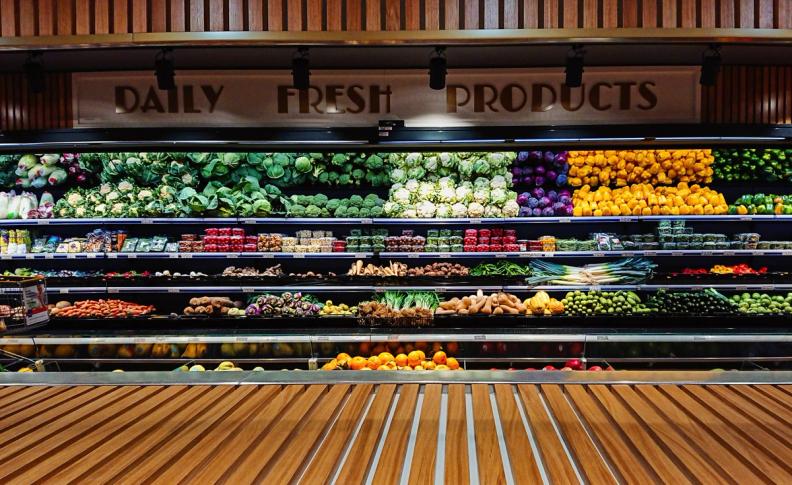
Grocery store margins have never left much room for error. Historically, margins have sat between just 1% and 3%, yet many operators feel the pressure has only grown in 2026. Nearly 80% of grocers say rising costs remain a major profitability challenge this year, forcing teams to rethink where money is quietly slipping through the cracks. One of the biggest culprits is hiding in plain sight: fresh food waste.
Roughly 30% of food in grocery stores goes unsold annually, totaling close to 16 billion pounds of surplus nationwide. About three-fourths of that waste comes from fresh food. The surprising part? Almost half of it is still safe to enjoy. More operators are starting to see unsold inventory differently, finding new ways to protect grocery store profit margins by turning expiring inventory into recovered revenue.
Grocery Store Margins Are Under More Pressure Than Ever in 2026
Pressure on grocery store margins rarely comes from one place, but certain patterns are hard to miss. Rising wages continue to create challenges for operators, particularly as hiring costs climb, and more than half of retailers say they plan to hire more in 2026. Labor remains a significant concern for 43% of grocers this year, despite how essential in-store teams are to maintaining service and stocking inventory.
Trade pressures are adding even more strain. More than nine in 10 retailers said tariffs affected profitability in 2025, pushing many operators into difficult decisions. Almost 70% passed at least some added costs on to shoppers, while 55% sought lower-cost suppliers to offset rising expenses. Neither approach comes without risk, especially as customers remain price-conscious and competition across grocery continues to tighten.
With so much already on the line, protecting grocery store profit margins is no longer just about increasing sales volume or driving new foot traffic. More operators are taking a closer look at the revenue already sitting inside their stores, including food that may be nearing its sell-by date but still holds value. Even small reductions in waste can create a meaningful impact on grocery store margins over time.
How Fresh Food Waste Quietly Chips Away at Grocery Profitability
Fresh food departments sit at the center of a difficult balancing act for grocers. These categories steadily drive sales growth across retail, which is why many operators plan to expand deli and prepared food offerings in 2026 with more grab-and-go meals and made-to-order items. Those same departments, however, also remain some of the largest contributors to grocery shrink and overall food waste.
Perishable inventory contributes to $26.9 billion in food waste costs, including:
- $6.73B in prepared foods (347k tons)
- $5.17B in fresh meat and seafood (369k tons)
- $4.99B in fresh produce (902k tons)
- $3.5B in breads and bakery items (274k tons)
- $1.58B in dairy and eggs (301k tons)
A significant share of that waste comes down to date label concerns. Confusion surrounding “Use By” and “Best Before” labels account for more than $10 billion in food waste annually, even though many unopened products are still safe to enjoy when stored properly. For operators already navigating thin grocery store margins, allowing perishable items to go to waste quietly compounds losses day after day.
Beyond Date Label Concerns, What Leads to Shrink for Fresh Items?
Shrink has become an increasingly expensive challenge for grocers in recent years, especially in fresh and prepared food categories. Earlier this decade, shrink accounted for roughly 2% to 3% of a typical grocer’s revenue. Among ready-to-eat and ready-to-heat categories, that figure has climbed as high as 15% in some cases, creating even more strain on tight grocery store profit margins.
Much of that loss comes from the realities of running a fresh food operation at scale. Forecasting demand is rarely perfect, especially as consumer habits shift and prepared food offerings expand. Teams may over-order ingredients ahead of busy weekends, prepare more meals than expected demand supports, or pull products early to maintain quality standards during peak shopping hours.
Daily operations can contribute to shrink in smaller ways, too. Produce may lose quality before it sells. Prepared meals can be removed from shelves because they no longer look fresh enough for display. Temperature issues and handling mistakes also play a role, particularly in high-volume departments where teams are moving quickly and stocking gaps occur throughout the day.
Why More Grocers Are Treating Surplus Food as Recoverable Revenue
As shrink continues climbing across fresh categories, more grocers are rethinking what qualifies as waste in the first place. After all, nearly 45% of food that goes unsold is still safe to enjoy, creating an opportunity to recover value from inventory that may have once been written off too early. For operators working to protect grocery store margins, that shift in thinking can make a meaningful difference.
However, grocery operators are not the only ones rethinking food value right now. Consumers have been feeling the squeeze, too. About 68% of shoppers say they still struggle to afford groceries, and 44% now plan shopping trips around available discounts. The growing demand for value is creating a stronger connection between shoppers looking for savings and grocers trying to move short-dated inventory before it goes to waste.
So, it’s no surprise that more retailers are exploring recovery strategies, such as:
- Dynamic markdowns for near-expiry inventory
- Surplus food marketplaces for unsold items
- Bundled discounts on short-dated products
- Flash sales during slower shopping periods
The financial (and operational) upside is real. Retailers that optimize how near-expiry perishables are displayed and discounted have the potential to reduce waste by 21.24% while increasing profits by 6.01%. Some grocers are also pairing markdown efforts with tools that make surplus inventory easier for shoppers to discover, helping stores recover more value before fresh foods reach their expiry window.
How Too Good To Go Helps Grocers Recover Margin from Unsold Food
Most grocers already have markdown procedures for short-dated produce or prepared foods. The challenge is visibility: customers don’t always know where to find those discounts, which can leave perfectly good inventory sitting on shelves or in display cases too long. In response, more retailers are powering markdown strategies with marketplaces like Too Good To Go to help shoppers discover surplus food more easily.
Too Good To Go gives grocers another way to move unsold food before it becomes waste:
- Unsold food is bundled into Surprise Bags sold at 50% to 75% of the original retail value.
- Pickup windows are set by the store to fit existing staffing and foot traffic patterns.
- More than 120 million users browse the app for affordable food nearby.
- Available Surprise Bags are purchased directly through the app.
Keeping the process simple matters, especially for fresh departments already moving quickly from morning prep through evening cleanup. In practice, 88% of grocery employees say using Too Good To Go takes less than four minutes per day, or less time than taking out the trash. Helping reduce shrink without creating more work for store teams can make protecting grocery store margins feel far more manageable.
The impact goes beyond recovering unsold inventory, too. About 61% of customers visit specifically to collect a Surprise Bag, while 41% purchase additional items during pickup. Shoppers save money, stores recover revenue, and every bag saved helps avoid 2.7 kg of CO2e emissions. Food that may have once been written off instead becomes another opportunity to drive store traffic and keep good food in circulation.
Ready to Turn Expiring Inventory into Recovered Revenue?
Thin grocery store margins are exactly why recoverable losses matter. Fresh food waste is often treated as an unavoidable cost of doing business, but more operators are proving that surplus inventory still holds value when the right recovery strategy is in place. As more retailers rethink perishable inventory, solutions like Too Good To Go are helping turn surplus food into a smarter way to support margins.
Learn more about how Surprise Bags can help your store recover value from unsold food.
FAQs About Grocery Store Profit Margins
Why are grocery store profit margins so tight?
Grocery operates on historically thin margins, often between 1% and 3%. Rising labor costs, tariffs, supply chain volatility, and growing competition continue putting pressure on profitability. Even small operational losses, including fresh food waste, can have a noticeable impact on overall financial performance.
Why is shrink such a challenge for grocery stores?
Shrink directly impacts profitability because it represents inventory purchased but never sold. Fresh and prepared food categories are especially vulnerable due to shorter shelf lives and changing customer demand. In some ready-to-eat categories, shrink rates have climbed as high as 15% of revenue in recent years.
What causes fresh food waste in grocery stores?
Fresh food waste often comes down to operational realities rather than one major issue. Forecasting demand can be difficult, especially in prepared food departments. Products may also be removed early to maintain freshness standards, while handling mistakes, temperature issues, and slower sales periods can all contribute to shrink.
What types of fresh food create the most waste in grocery stores?
Prepared foods, fresh meat and seafood, produce, bakery items, and dairy products are some of the largest contributors to grocery food waste. Fresh categories move quickly and often have shorter shelf lives, which increases the likelihood of shrink when demand shifts or products are not sold in time.
How do “Use By” and “Best Before” labels contribute to food waste?
Concerns around date labels is one of the leading causes of food waste in retail. Many shoppers interpret “Best Before” dates as safety warnings, even though products may still be safe to enjoy when unopened and stored properly. That misunderstanding contributes to billions of dollars in avoidable surplus food each year.
How does the Too Good To Go marketplace work for grocery stores?
Too Good To Go helps grocery stores sell unsold food through Surprise Bags purchased directly in the app. Stores bundle surplus items together, set pickup windows that fit their operations, and offer the bags at a discounted price. Shoppers collect the food in-store, helping grocers recover revenue from inventory that may otherwise go to waste.
What kinds of food can grocery stores include in Surprise Bags?
Surprise Bags can include a wide range of fresh and prepared foods nearing their sell-by window. Many grocers include fresh fruits and vegetables, sandwiches, salads, baked goods, desserts, deli items, and ready-to-eat meals. Contents often vary based on what inventory is available that day.
start saving food today
Our app is the world's largest marketplace for surplus food. We help users rescue good food from going to waste, offering great value for money at local stores, cafes and restaurants.
Too good to go blog
Too Good To Go BlogFood Freshness Explained: What It Means for Different Types of Food
July 16, 2026
Food freshness affects countless decisions across the supply chain. It influences what customers buy, how businesses manage inventory, and which products ult...

Too Good To Go BlogRestaurant Demand Forecasting 101: A Practical Guide for Independent Operators
July 14, 2026
A multi-unit franchise may have predictive analytics to help with restaurant demand forecasting. An independent operator, on the other hand, is often relying...
Too Good To Go BlogHow Food Waste Is Quietly Driving Up Your Grocery Bill
July 9, 2026
Few things are more frustrating than watching your grocery bill continue to climb while your cart seems to shrink. Inflation often gets the blame, but it’s o...
Too Good To Go BlogBeyond the Checkout: Untapped Revenue Opportunities for Grocery Retailers
July 7, 2026
Profitability feels increasingly difficult to protect lately. Operating costs continue to rise, shoppers remain price-sensitive, and competition extends far...