Too Good To Go Blog
How Food Waste Is Quietly Driving Up Your Grocery Bill
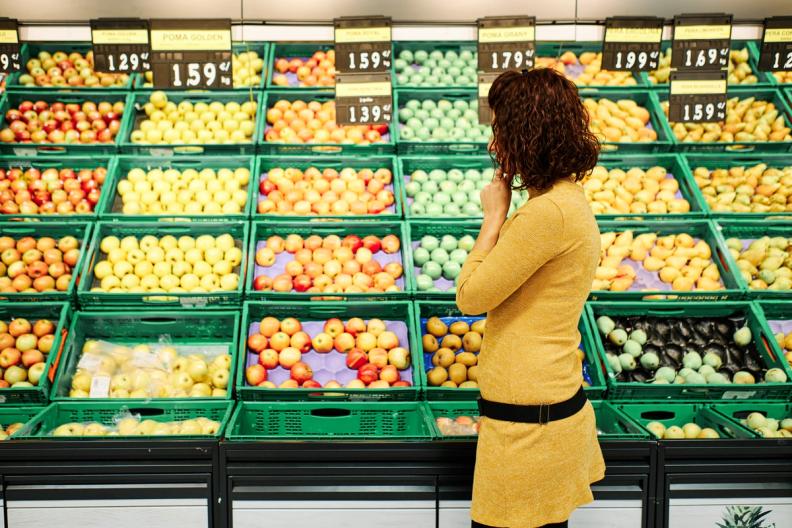
Few things are more frustrating than watching your grocery bill continue to climb while your cart seems to shrink. Inflation often gets the blame, but it’s only part of the story. One of the lesser-known causes of food price increases is the number of items that never get sold in the first place. In the United States alone, roughly $380 billion worth of food goes to waste each year. If so much food gets wasted, who pays for it?
Eventually, everyone does. Farmers, distributors, manufacturers, and grocery stores all absorb losses from wasted food. To stay profitable, many of those costs get spread across the products that do make it to checkout. Understanding that connection can help explain why food waste affects more than the environment. It also affects what you pay at the register. Here’s what food waste has to do with the rising cost of groceries.
Food Waste Happens Long Before Items Reach Your Cart
Many people think of food waste as takeout leftovers sitting in the fridge too long or produce slowly going brown in the crisper drawer. Household waste certainly exists—$141 billion worth of it, to be exact—but it’s only one piece of a much larger picture. Long before food reaches your kitchen, waste is already occurring at multiple points throughout the global supply chain.
Some of that loss begins on farms. Crops may be left unharvested due to labor shortages, shifting demand, or market conditions, contributing to roughly 14.8 million tons of food waste each year. Food can be lost after it leaves the farm, too. A damaged shipment, a temperature issue during transport, or inventory that doesn’t sell quickly enough can all prevent food from reaching consumers.
Appearance also plays a role. Fruits and vegetables that look imperfect may be passed over despite being perfectly edible. By the time produce and other items reach grocery stores, retailers generate another 2.72 million tons of food waste annually. The food system generates far more waste than most shoppers realize, and those losses don’t stop at the farm or the store.
Every Lost Product Still Has a Price Tag Attached to It
A wasted food item isn’t free. Even if it never gets sold, money has already been spent to get it there. Seeds may have been planted months earlier. Workers spent time harvesting, processing, packaging, transporting, and stocking the product. Facilities used electricity to keep operations running and food at the proper temperature. By the time food reaches a shelf, resources have already been invested at nearly every step along the way.
Imagine a bakery that makes 100 loaves of bread but only sells 80. The ingredients, labor, and overhead for the remaining 20 loaves don’t simply disappear. The bakery still has to cover those costs if it wants to stay in business.
The same principle applies throughout the food industry. Every unsold product represents money that was invested but never recovered. One of the lesser-known causes of food price increase is the need for businesses to recoup at least some of those losses. While food price increases are influenced by many factors, waste adds another layer of cost that can ripple through the supply chain before it ever shows up on a grocery bill.
Waste Is a Less Obvious Cause of Food Price Increases
Most people can name a few reasons why groceries cost more today than they did a few years ago. Food waste is one contributor that rarely makes the list. Yet, in just one year, 29% of the country’s 240 million tons of available food went unsold or uneaten. On its own, that represents a significant loss. The challenge becomes even greater when the costs associated with producing, moving, and selling food continue to rise.
Food businesses aren’t dealing with waste in a vacuum. They’re also navigating higher expenses throughout the supply chain, including:
- Inflation, with the Consumer Price Index up nearly 4% in May 2026
- Rising wages, as salaries and compensation increased 3.4% since 2025
- Higher transportation expenses, with gasoline prices up 17.5% and diesel prices up 37.3% from March 2025
- Ongoing supply chain disruptions, as 65% of companies face at least one bottleneck in their supply chain
Each of those increases makes wasted food more expensive. If products are discarded before purchase, businesses aren’t just losing food. They’re losing the higher costs attached to it as well. The more money that disappears along the way, the greater the pressure to recover those losses elsewhere. Though waste isn’t the only cause of food price increases, it can make an already expensive problem even more costly.
Why Reducing Waste Benefits More Than the Environment
After reading about the scale and cost of food waste, it’s easy to assume the biggest benefit of reducing it is environmental. While any reduction in waste is definitely a win for the planet, there’s also an economic side to the story. Nearly 45% of food waste was still safe to enjoy at the time it was discarded, which means a significant amount of value is being lost alongside the food itself.
When grocers find ways to get more of the food they already invested in to customers, fewer products go unsold and more of the costs associated with producing, transporting, and stocking those items can be recovered. Less waste doesn’t eliminate the factors driving food price increases, but it can help reduce some of the financial pressure created when perfectly good food goes unused.
That’s where Too Good To Go comes in.
Through our surplus food marketplace, grocery retailers can sell leftover items directly to local customers instead of letting it go to waste. Shoppers gain access to better grocery deals, while retailers recover value from food that might otherwise become a loss. The environmental perks are real, but the opportunity to make better use of food benefits businesses and consumers alike.
How to Save Money on Groceries Despite Food Price Increases
Food price increases are influenced by a wide range of factors, from rising inflation and transportation costs to labor expenses and global supply chain disruptions. Slashing food waste won’t solve every pricing challenge, but reducing unnecessary waste can help create a more efficient food system. When more food gets sold and enjoyed instead of discarded, businesses capture more revenue, and fewer resources go unused.
One example is Surprise Bags sold on Too Good To Go. Rather than throwing away surplus food that is still perfectly good to eat, participating businesses bundle it into discounted Surprise Bags and make them available through the Too Good To Go marketplace. That creates an opportunity for businesses to sell more of the food they already have while helping shoppers stretch their grocery budgets.
Getting started is simple. The Too Good To Go app is free to download and allows you to browse available Surprise Bags from grocery stores, bakeries, restaurants, and other local businesses near you. Surprise Bags are grouped into categories, like produce or pastries. Once you find an option you’d like to try, you purchase it directly through the app. When the pickup window opens, simply stop by and collect your Surprise Bag.
Whether you’re looking for better grocery deals or simply trying to make your budget go a little further, Surprise Bags offer a practical way to save money despite food price increases. Download the Too Good To Go app today to discover local Surprise Bags and see what’s available near you.
FAQs About Food Price Increases
What are the main causes of food price increases?
Food price increases are often driven by a combination of factors, including inflation, higher labor costs, rising transportation expenses, and supply chain disruptions. Food waste can also contribute to higher prices by creating losses throughout the supply chain that businesses may need to recover elsewhere.
How does food waste affect grocery prices?
Food waste creates costs at every stage of the food system. Crops may be grown, transported, stored, and stocked before ultimately going unsold. When businesses absorb those losses, some of the associated costs can eventually be reflected in the prices consumers pay at the store.
Is food waste really a significant problem in the United States?
Yes. In 2024, 29% of the country’s available food went unsold or uneaten. Food waste occurs throughout the supply chain, from farms and manufacturers to grocery stores and households, making it a much larger issue than uneaten leftovers alone.
Why don’t businesses simply lower prices instead of throwing food away?
Many businesses do look for ways to sell surplus food before it goes to waste. However, factors such as limited shelf life, unpredictable demand, and operational constraints can make it difficult to sell every item before quality declines. That’s why many retailers are exploring new ways to connect surplus food with interested shoppers.
Can reducing food waste help lower grocery costs?
Reducing food waste won’t eliminate food price increases on its own, but it can help create a more efficient food system. When businesses sell more of the food they already have, fewer resources are lost and more value is retained throughout the supply chain.
What is Too Good To Go?
Too Good To Go is a surplus food marketplace that helps businesses sell food that might otherwise go unsold. Through the app-based platform, shoppers can discover discounted Surprise Bags from local grocery stores, bakeries, restaurants, and other food businesses while helping keep perfectly good food from going to waste.
How do Surprise Bags work on Too Good To Go?
Surprise Bags are discounted bundles of surplus food sold through the Too Good To Go app. After downloading the free app, users can browse available options nearby, purchase a Surprise Bag directly through the platform, and pick it up during the designated collection window. The exact contents are a surprise, which allows businesses to package available surplus food while giving shoppers access to great value.
start saving food today
Our app is the world's largest marketplace for surplus food. We help users rescue good food from going to waste, offering great value for money at local stores, cafes and restaurants.
Too good to go blog
Too Good To Go BlogHow Food Retailers Can Reduce Inventory Shrinkage
August 20, 2026
Inventory shrinkage looks a little different across every food business. A bakery may close with pastries still in the case, while a convenience store may re...
Too Good To Go BlogHow Independent Restaurants Can Use Seasonal Menus to Reduce Food Waste
August 6, 2026
Every few months, restaurant operators have the chance to put something exciting on the table. The right seasonal restaurant menu ideas keep the dining exper...

Too Good To Go BlogHow Restaurants Can Reduce Food Cost Percentage Without Cutting Quality
July 30, 2026
Restaurant operators have had to navigate years of rising costs. Between 2020 and 2026 alone, total food costs for the average restaurant increased by 34%, p...
Too Good To Go BlogLocal Grocery Shopping: How to Find Hidden Gems in Your Neighborhood
July 23, 2026
There’s something satisfying about stumbling across a grocery store you never knew existed. Maybe it’s the neighborhood market with incredible produce, or th...