Too Good To Go Blog
How Independent Restaurants Can Use Seasonal Menus to Reduce Food Waste
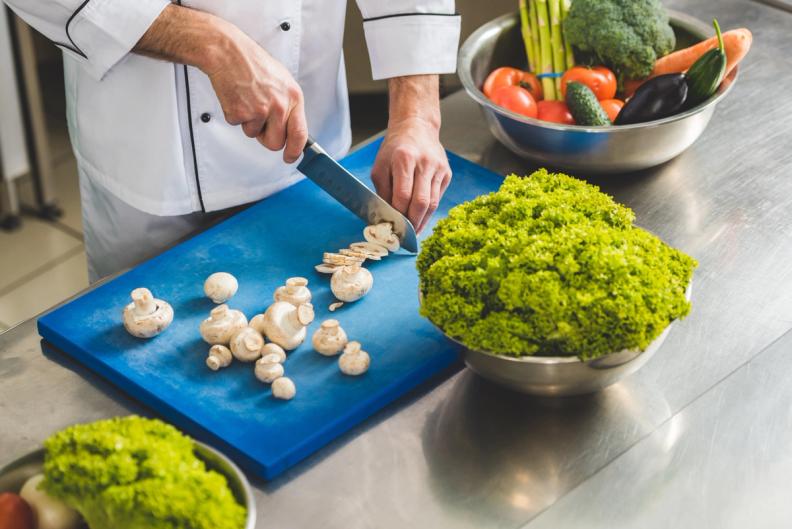
Every few months, restaurant operators have the chance to put something exciting on the table. The right seasonal restaurant menu ideas keep the dining experience feeling fresh without reinventing the entire concept. Customers enjoy trying dishes that won’t be around forever, while kitchen staff can make the most of ingredients at their peak. Done right, guests start looking forward to what’s coming next.
Independent restaurants can also use seasonal menus as a practical tool behind the scenes. A focused menu can make inventory easier to manage and help reduce surplus food before it happens. Not sure where to begin? You’ve come to the right place. Ahead, we’ll share seasonal menu ideas along with practical tips for building a menu that works just as well in the back of house as it does the front of house.
Why Seasonal Menus Can Help Reduce Food Waste
Food hasn’t been getting any cheaper, which means every purchasing decision now carries a little extra weight. Case in point? Average restaurant food costs have climbed 34% over the past six years. Seasonal menus help restaurants buy ingredients when they’re abundant and often less expensive, making it easier to control costs without compromising quality. That’s one reason many operators revisit their menus several times a year.
Yet, even with careful planning, surplus is often hard to avoid. Full-service restaurants generate nearly $72 billion worth of surplus food every year, or about $197 million every day. That’s money operators can’t afford to lose. While no restaurant can eliminate waste completely, many of the decisions that determine how much surplus you create happen long before the first order is fired.
Seasonal restaurant menu ideas can help. A menu built around seasonal ingredients naturally narrows your purchasing list. Instead of stocking dozens of products year-round, you can buy with a specific group of dishes in mind month-over-month. Many of those ingredients can pull double duty across appetizers, entrées, sides, and specials, helping inventory move through the kitchen faster.
Seasonal menus also give operators a clear beginning and end. Limited-time offerings make it easier to estimate how much inventory you’ll need compared with carrying the same ingredients indefinitely. Better forecasting doesn't guarantee you’ll sell every last item, but it does put you in a stronger position than ordering without a plan. Reducing food waste in restaurants starts long before closing time. It starts with the menu.
Seasonal Restaurant Menu Ideas for Your Next Refresh
Good seasonal menus don’t just reflect what’s growing outside or what’s going for the best price with suppliers. They help food managers buy with purpose, let kitchens use ingredients across multiple dishes, and create fewer opportunities for surplus in the first place. The examples below highlight seasonal restaurant menu ideas that can help you do exactly that throughout the year.
Season | Featured Ingredients | Menu Ideas | Waste Reduction Opportunity |
|---|---|---|---|
Spring | Arugula, asparagus, chives, dill, English peas, mint, parsley, radishes, rhubarb, snap peas, spinach, strawberries | Asparagus and goat cheese frittata; pea and mint risotto; strawberry spinach salad with grilled chicken; lemon-dill salmon grain bowl; rhubarb compote parfait | Use fresh herbs across marinades, vinaigrettes, compound butters, and beverages. Prep produce for both brunch and dinner dishes so one order supports multiple dayparts. |
Summer | Basil, bell peppers, blueberries, cucumbers, green beans, peaches, sweet corn, tomatoes, watermelon, zucchini | Heirloom tomato BLT; charred corn and zucchini tacos; peach burrata salad; cucumber gazpacho; blueberry lemon shortcake | Build several dishes around high-volume produce such as tomatoes or corn. Turn ripe items into sauces, salsas, soups, or daily specials before quality declines. |
Fall | Apples, Brussels sprouts, butternut squash, cranberries, delicata squash, mushrooms, pears, pumpkins, sage, sweet potatoes | Butternut squash ravioli with brown butter; mushroom pot pie; roasted sweet potato grain bowl; apple and Brussels sprout salad; pear crisp | Roast larger batches of squash and root vegetables for use in fillings, soups, sides, and sauces. Move apples and pears between savory dishes, desserts, and seasonal drinks. |
Winter | Beets, cabbage, carrots, grapefruit, kale, leeks, oranges, parsnips, potatoes, turnips | Red wine-braised beef with parsnip purée; potato-leek soup; citrus and beet salad; cabbage and mushroom pierogi; orange-glazed roasted carrots | Favor ingredients with longer shelf lives that can withstand unpredictable traffic or delayed deliveries. Use the same root vegetables in braises, purées, and roasted accompaniments. |
Spring Into New Flavors and Textures
After months of hearty winter dishes, spring is a chance to lighten things up. Seasonal restaurant menu ideas for these months often revolve around ingredients like asparagus, peas, strawberries, and fresh herbs that naturally brighten a menu. They’re a great fit for spring pastas, grain bowls, and seafood salads that give loyal returning guests something new to look forward to weekly.
Spring is also a good time to simplify purchasing. Instead of introducing dozens of new ingredients, focus on a handful that can carry multiple dishes. Fresh herbs can tie together sauces, dressings, and cocktails, while asparagus works just as well at brunch as it does alongside an evening entrée. Building multiple menu items around the same ingredients helps inventory move faster and leaves fewer products sitting in the walk-in.
Make the Most of Peak Summer Produce
Depending on your location, summer can be your busiest season or your quietest months of the year. Beach towns may be serving packed dining rooms all day long, while college communities and business districts often experience the opposite. Either way, taking advantage of peak summer produce can help control food costs, whether you’re ordering in bulk for heavy traffic or keeping purchases lean during slower weeks.
Tomatoes are a great example. One delivery can support sandwiches at lunch, house-made salsa for appetizers, and a pasta special later in the week. Designing your menu around versatile summer ingredients keeps produce in rotation without making every dish feel the same. It also helps dishes stay fresh, even as hot weather makes guests less likely to leave the comfort of air conditioning.
Lean Into Ultra Comfort Food This Fall
Once the sun sets on summer months, cooler weather changes what guests crave almost overnight. Seasonal restaurant menu ideas naturally shift toward roasted vegetables, richer sauces, and comforting entrées that feel right at home as temperatures drop. Squash, apples, mushrooms, and sweet potatoes make it easy to introduce those flavors without completely reinventing the menu, and they do so at a crave-worthy price.
Not to mention, many fall ingredients earn their place by doing more than one job. Roasted squash might become a soup one day and a ravioli filling the next, while apples can move from a harvest salad to a seasonal dessert. Finding those overlaps helps reduce unnecessary purchasing and gives chefs room to adjust offerings and stay creative as guest demand changes throughout the season.
Warm Up Your Winter Menu with Classics
As the calendar shifts toward the new year, winter calls for seasonal menus that work as hard as your kitchen does. The potential for colder weather, holiday travel, and even the post-holiday slowdown can make guest traffic harder to predict, no matter where you’re located. Building your menu around dependable ingredients gives the kitchen more flexibility without sacrificing the comforting classics guests come to expect.
Root vegetables are particularly valuable this time of year because they hold well and adapt to different preparations. The same carrots or potatoes might anchor a slow-cooked stew early in the week, then reappear as a roasted mash with a different entrée. That kind of versatility helps managers make the most of every supplier order, especially if deliveries slow with snow or icy weather.
What To Do When Seasonal Menus Leave Surplus Behind
Seasonal restaurant menu ideas can go a long way toward reducing unnecessary purchasing, but they can’t account for everything. Rainy weekends, canceled reservations, and changing guest preferences all affect what sells on any given day. That’s just the reality of the restaurant business. Reducing food waste in restaurants isn’t about eliminating that surplus altogether; it’s about having a plan for what’s left at the end of service.
Enter a surplus food marketplace like Too Good To Go. Rather than writing off eligible surplus food as a complete loss, restaurant operators can recover some of its value while helping reduce food waste each day.
Too Good To Go makes the process simple. Restaurants bundle surplus food into discounted Surprise Bags, choose a pickup window that fits their operations, and list them in the Too Good To Go app. Customers purchase directly through the app, then stop by during the scheduled pickup time to collect their Surprise Bag. It’s an easy way to earn additional revenue from food that might otherwise go unsold, all without disrupting service.
Build Stronger Seasonal Restaurant Menus with Too Good To Go
Successful operators know that profitability starts way before the dinner rush. Seasonal restaurant menu ideas help kitchens buy with purpose and make better use of ingredients throughout the year. Recovering value from eligible surplus food adds another layer to that strategy, making reducing food waste in restaurants an actionable part of everyday operations rather than an afterthought.
Too Good To Go helps restaurants recover value from food that deserves a second chance, turning smart menu planning into an even smarter business strategy. Join thousands of food businesses already using the marketplace and discover how easy it is to serve more guests while wasting less.
FAQs About Reducing Food Waste in Restaurants
What are the benefits of seasonal restaurant menus?
Seasonal restaurant menus help restaurants purchase ingredients when they’re abundant and often more affordable. They also make it easier to plan inventory, introduce limited-time dishes that keep guests interested, and use ingredients across multiple menu items to reduce unnecessary surplus.
How do seasonal menus help reduce food waste?
Seasonal menus narrow purchasing around a focused group of dishes instead of carrying the same ingredients year-round. That makes inventory easier to forecast and helps fresh products with shorter expiry windows move through the kitchen before they spoil.
What ingredients work well across multiple menu items?
Versatile ingredients are ideal because they can appear in several dishes without feeling repetitive. For example, fresh herbs can be used in sauces, dressings, cocktails, and garnishes, while tomatoes can support sandwiches, salads, pasta dishes, and house-made salsas.
How often should restaurants update seasonal menus?
Many independent restaurants refresh their seasonal menus about four times a year to align with changing produce availability and guest preferences. Some operators also introduce limited-time specials between major menu updates to test new dishes without committing to a full menu change.
How does Too Good To Go work for restaurants?
Too Good To Go helps restaurants recover value from eligible surplus food by selling discounted Surprise Bags through the app. Restaurants bundle available items, choose a pickup window that fits their operations, and list the Surprise Bags for sale. Customers purchase directly through the app and collect their order during the scheduled pickup window.
Can Too Good To Go help restaurants reduce food waste?
Yes. Too Good To Go gives restaurants a practical way to recover value from eligible surplus food that might otherwise be discarded. In addition to generating incremental revenue, the marketplace helps reduce food waste while introducing new customers to participating restaurants. Each meal saved through Too Good To Go is equivalent to avoiding 2.7 kg of CO2e emissions and 810 litres of water.
start saving food today
Our app is the world's largest marketplace for surplus food. We help users rescue good food from going to waste, offering great value for money at local stores, cafes and restaurants.
Too good to go blog

Too Good To Go BlogPantry Organization Tips That Help You Waste Less Food
September 21, 2026
Most of the food that gets wasted at home was bought with good intentions. A bag of lentils slides behind a cereal box, a second jar of peanut butter joins t...

Win $250 app credits & more!Surprise Seconds Sweepstakes
September 17, 2026
Surprise Seconds Sweepstakes: Official Rules Details Page OFFICIAL RULES. NO PURCHASE NECESSARY TO ENTER OR WIN. A PURCHASE DOES NOT INCREASE THE CHANCES...

Too Good To Go BlogHow Convenience Store Trends Are Changing C-Store Operations
September 3, 2026
U.S. convenience stores rang up $341.2 billion in in-store sales in 2025, the 23rd straight year of inside-sales growth. That growth is no longer coming from...
Too Good To Go BlogSurprise Seconds with Ziploc® Brand
September 2, 2026
What is surprise seconds? Together with Ziploc® Brand, we want to help make more of the food already in your kitchen – whether carried home from a restauran...