Too Good To Go Blog
Understanding Your Customers' Purchasing Habits to Drive Smarter Sales
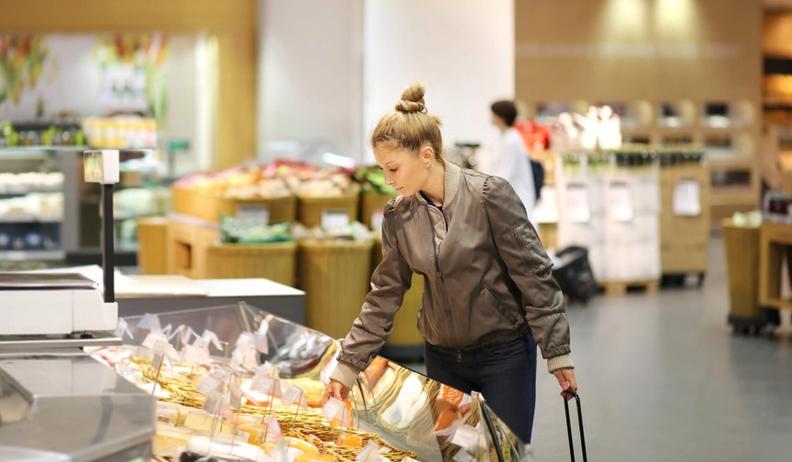
One customer grabs a coffee and pastry on the way to work. Another swings by a deli for a quick protein-packed lunch. Someone else opens a food app at 2 p.m., looking for a little treat between meetings. From cafés and convenience stores to grocers and restaurants, today’s purchasing habits reflect far more than hunger alone. Behind many food purchases is a larger shift in how people approach convenience and cuisine.
Customer purchasing habits are increasingly shaped by tighter budgets and the desire to enjoy something new without overspending. Understanding the psychology driving those decisions can help operators better position value-driven offers throughout the day, especially during moments when customers are most open to trying something different. Take a closer look at the trends and behaviors shaping food sales today.
Customers Are Prioritizing Local Food Experiences
As inflation and economic uncertainty continue to pressure household budgets, more consumers are choosing to shop closer to home. A recent survey found Americans now direct 37% of their food spending toward local, independent stores, the highest share of any retail category. Today’s purchasing habits increasingly reflect a desire to support nearby businesses while still finding quality in everyday food purchases.
Grocery stores lead local food spending by a wide margin, with local restaurants following close behind. Nearly half of surveyed consumers said they intentionally shop within their community to keep more dollars flowing toward independent business owners. Unique product selection also continues to play a major role, particularly as shoppers seek out food experiences and specialty items they may not find at larger chains.
For food retailers, Surprise Bags on the Too Good To Go app create another channel for reaching local customers looking for nearby food discoveries. By offering a rotating assortment of discounted items, operators create more opportunities for customers to explore unfamiliar products from different local businesses. The element of surprise can also encourage customers to check back regularly for something new.
Rising Food Costs Are Reshaping Purchasing Habits
Beyond the desire to stay local, rising food costs are also pushing consumers to become more strategic about how and where they spend. A March 2026 survey found increased prices have affected the purchasing habits of roughly half of shoppers, with many stretching purchases across multiple meals to make food last longer. Brick-and-mortar visits have become more targeted, with more frequent trips planned around promotions.
Restaurants are seeing similar shifts in spending behavior as diners look for meals that feel more cost-effective. While 67% of diners are interested in bundled meals, another 70% show interest in meal kits. Several national chains have already responded with discounted take-home entrée offers that allow customers to enjoy an additional prepared meal later, extending the value of a single purchase into a second dining experience.
Across food retail, Surprise Bags create another way for operators to meet growing demand for affordability without relying on blanket discounts or rigid promotions. By selling discounted items on Too Good To Go, Surprise Bags capture attention from new local shoppers actively looking for budget-friendly food options. Operators can bundle whatever food is leftover at the end of a shift and turn surplus into a new revenue channel.
Snack-Style Eating is Blurring Mealtime Boundaries
Aside from affordability, customer purchasing habits are also rewarding flexibility. More shoppers are reaching for foods that fit into faster routines and smaller meals throughout the day. Snack-style eating and ready-to-eat foods continue to gain momentum, particularly among Millennials and Gen Z consumers looking for options that feel premium enough to enjoy regularly without stretching their budgets too far.
Surprise Bags can naturally fit into these more flexible eating routines across food retail:
- Restaurants can offer familiar menu favorites in a more budget-friendly format.
- Delis can bundle ready-to-eat proteins, prepared sides, and grab-and-go lunch items.
- Grocers can feature snack packs, ready-to-heat foods, and rotating refrigerated items.
- Bakeries can create lower-cost opportunities for pastries, savory bites, and snack breaks.
- Convenience stores can package quick snack combinations for customers eating on the move.
The growing demand for snack-style eating also reflects a larger trend in traditional mealtime boundaries. Rather than planning every purchase around traditional breakfast, lunch, or dinner occasions, more consumers are making smaller, convenience-driven food decisions throughout the day. Fortunately, this evolution is creating additional opportunities for retailers to capture interest between standard mealtimes.
More Consumers Are Leaving Room for Little Treats
Smaller, more flexible eating habits are creating more room for everyday indulgences. Instead of reserving treats for special occasions, many consumers now budget for smaller food rewards as part of their regular routines, whether that means a mid-afternoon pastry or a quick savory snack. Customer purchasing habits increasingly reflect a desire to balance “little treats” that feel rewarding without carrying the guilt of a major splurge.
That mindset helps explain why rotating food offerings and surprise-style purchases continue attracting attention. Surprise Bags on the Too Good To Go app naturally tap into the excitement surrounding affordable discovery by giving customers a rotating mix of discounted goods, prepared foods, and specialty items. The experience often feels less predictable than a standard purchase, which can make the discovery itself part of the appeal.
The rise of “little treat” culture also reflects broader shifts in purchasing habits tied to comfort and convenience. Recent surveys found 30% of employees now treat themselves daily, while another 76% enjoy workplace snacks at least once a week. From cookies and brownies to empanadas and wings, smaller-format foods continue gaining traction as shoppers increasingly look for affordable ways to break up the day with something enjoyable.
Faster Food Purchases Have Become the Baseline
Meal sizes and timing aren’t the only factors shaping customer purchasing habits. Speed has also become non-negotiable for shoppers, whether they’re grabbing a bite for breakfast or picking up dinner for the kids. Among grocers and specialty shops, almost half of visits now clock in under 15 minutes. More customers are also skipping the store entirely, with three-quarters using a retailer’s pickup or delivery services instead.
The need for speed carries over to full- and quick-service restaurants, where nearly 75% of all traffic now happens off-premises. Almost three out of every four orders are taken to go, indicating a preference to be in and out of food retailers quicker. Gen Z and Millennials are leading the charge, with two-thirds saying takeout is essential to their lifestyle and almost six in 10 using takeout or the drive-thru at least once a week.
The traditionally fast pace of food service is only accelerating. Modern customers increasingly reward retailers that make purchases feel seamless, especially through features like tech-enabled payments and streamlined pickups. Digital marketplaces like Too Good To Go cater to these purchasing habits, letting shoppers purchase a Surprise Bag directly through the app and pick it up at a set time and location within the store.
Which Purchasing Habits Are Creating New Sales Opportunities?
Many of the strongest sales opportunities are tied directly to existing customer routines. Purchasing habits are increasingly shaped by moments where convenience, discovery, and affordability overlap, especially during quicker meal occasions and snack breaks throughout the day. Lunch has become one of the clearest examples, with nearly half of consumers saying they’re most likely to try something new during this meal.
Customer purchasing habits also point toward growing demand for smaller indulgences during afternoon energy slumps. With this in mind, some of the strongest opportunities for value-driven food offers may include:
- Lunch hours, when customers are more open to discovery-driven purchases.
- Mid-afternoon snack breaks, particularly among nearby workers and busy parents looking for a quick pick-me-up.
- Shift changes or restocking windows, when prepared foods, baked goods, or display items may still be fresh but no longer ideal for standard sale.
Too Good To Go gives retailers flexibility to align Surprise Bags with the routines that make the most sense for their business. Operators set their own pickup times directly through the app, making it easier to match offers with staffing schedules and customer traffic patterns. For some businesses, that may mean posting Surprise Bags around lunch or afternoon snack windows, while others find stronger engagement closer to closing time.
Customer Purchasing Habits Are the Key to Smarter Sales
Consumers are making more intentional decisions throughout the day, whether they’re searching for affordable meals or little treats that fit into faster routines. Understanding those purchasing habits gives retailers a stronger advantage when positioning value-driven offers around existing customer behaviors. From afternoon snack breaks to closing time, Surprise Bags help nearby shoppers discover good food at a great discount.
FAQs About Modern Customer Purchasing Habits
What factors are shaping modern customer purchasing habits around food?
Today’s customer purchasing habits are increasingly influenced by affordability, convenience, flexibility, and discovery. Many shoppers are making quicker, more intentional food decisions throughout the day, whether they’re searching for a grab-and-go lunch, a mid-afternoon snack, or a lower-cost meal option that still feels enjoyable.
Why are more consumers making smaller food purchases throughout the day?
Traditional breakfast, lunch, and dinner routines are becoming less rigid. More shoppers now prefer snack-style eating, smaller meals, and ready-to-eat options that fit into faster schedules and tighter budgets. Prepared meals and affordable treats have become especially popular among Gen Z and Millennial consumers.
When are customers most likely to try a new food purchase?
Lunch has become one of the strongest windows for discovery-driven purchases, with many consumers saying they’re most open to trying something different during this meal. Mid-afternoon snack breaks also create strong opportunities, especially among nearby workers and busy parents looking for a quick pick-me-up.
Why are shoppers prioritizing local food businesses?
Many consumers want their food spending to feel more intentional. Recent trends show shoppers increasingly choosing local grocers, restaurants, and specialty shops because they want to keep more dollars flowing toward independent businesses while also discovering unique foods and products they may not find at larger chains.
What are Surprise Bags on Too Good To Go?
Surprise Bags are discounted bundles of unsold food listed by local food retailers on the Too Good To Go app. The contents vary based on what remains available that day, which can create a more discovery-driven experience for shoppers while helping businesses sell food that may not have sold otherwise.
Can retailers choose their own pickup times for Surprise Bags?
Yes. Retailers set their own pickup windows directly through the Too Good To Go app. This flexibility allows businesses to align Surprise Bags with customer traffic patterns, staffing schedules, restocking periods, or end-of-shift inventory timing.
How can Too Good To Go help retailers generate additional revenue?
Too Good To Go gives retailers another channel for selling unsold food instead of letting it go to waste. Operators can bundle leftover prepared foods, baked goods, snacks, or refrigerated items into Surprise Bags and reach nearby shoppers already looking for affordable food options through the Too Good To Go marketplace.
start saving food today
Our app is the world's largest marketplace for surplus food. We help users rescue good food from going to waste, offering great value for money at local stores, cafes and restaurants.
Too good to go blog

Win $250 app credits & more!Surprise Seconds Sweepstakes
September 17, 2026
Surprise Seconds Sweepstakes: Official Rules Details Page OFFICIAL RULES. NO PURCHASE NECESSARY TO ENTER OR WIN. A PURCHASE DOES NOT INCREASE THE CHANCES...
Too Good To Go BlogHow Convenience Store Trends Are Changing C-Store Operations
September 3, 2026
U.S. convenience stores rang up $341.2 billion in in-store sales in 2025, the 23rd straight year of inside-sales growth. That growth is no longer coming from...
Too Good To Go BlogSurprise Seconds with Ziploc® Brand
September 2, 2026
What is surprise seconds? Together with Ziploc® Brand, we want to help make more of the food already in your kitchen – whether carried home from a restauran...
Too Good To Go BlogHow Food Retailers Can Reduce Inventory Shrinkage
August 20, 2026
Inventory shrinkage looks a little different across every food business. A bakery may close with pastries still in the case, while a convenience store may re...