Too Good To Go Blog
How Convenience Store Trends Are Changing C-Store Operations
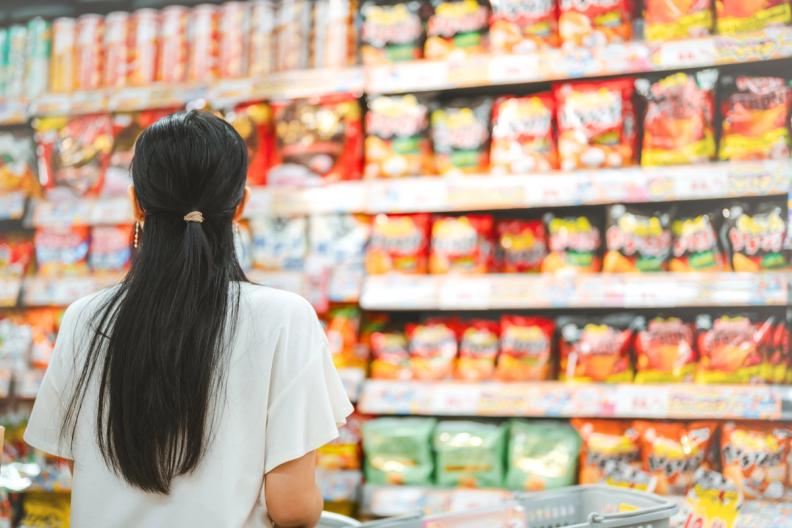
U.S. convenience stores rang up $341.2 billion in in-store sales in 2025, the 23rd straight year of inside-sales growth. That growth is no longer coming from cigarettes or candy. It comes from the counter, where prepared food now carries more of your gross profit than almost anything else you stock. The pizza, chicken, sandwiches, wraps, and salads behind the glass are both your fastest-growing category and the one doing the most for your margin. There is a catch, and it is a simple one. The products working hardest for you are perishable, and every one of them is on the clock.
Any operator already feels this in daily practice, because a bag of chips will forgive a slow day in a way that a tray of prepared breakfast sandwiches never will. The same trend that is lifting your gross profit is quietly raising the stakes on execution at the end of every daypart, when whatever has not sold turns from a potential sale into a cost you have already absorbed.
What Shoppers Actually Want Across the Dayparts
Eating habits are what keep the prepared-food line climbing. The old three-square-meals structure has loosened into snacking, late-night runs, and nontraditional dayparts, and the c-store sits squarely in the middle of that behavior because it is already on the commute and open when other doors are closed.
The other force shaping the basket is value. Datassential's read on the consumer is blunt: roughly three in four consumers say they are just getting by or falling behind financially, which pushes far more intentional spending on food away from home. Shoppers are trading down on add-ons and leaning into familiar, convenient options they can trust. For an operator, that is not a threat so much as an invitation. The consumer who used to grab a quick-serve breakfast on the way to work is actively looking for a lower-priced option that still tastes like a real meal, and the box can be that option if the food quality holds up.
Perception of quality is turning, too. Datassential's 2026 outlook notes that 40% of consumers say convenience store food variety is getting better, and operators are answering with menu builds rather than menu sprawl. Taquitos and tornados on the roller grill, fresh bakery breakfast items, and customizable formats like build-your-own burritos and pizza are expanding because they widen the menu without exploding inventory or SKUs. The strategy underneath all of it is a dual one, keeping grab-and-go strong for the impulse trip while building out more substantial options for the shopper replacing a full meal.
The New Revenue Streams Opening Up Inside the Box
Prepared food gets the spotlight, but the more interesting operational trend is how many adjacent revenue lines it drags along with it.
- Coffee and dispensed beverages as anchor trips. Hot, cold, and frozen dispensed drinks are counted inside foodservice for a reason. They carry strong margins and create a daily habit that pulls the same customer back to the same store, often at the same hour.
- Loyalty and app-driven frequency. Younger shoppers expect a mobile relationship with the store, and loyalty programs increasingly tie foodservice offers to repeat visits rather than fuel points alone.
- Delivery and third-party pickup. The box has become a fulfillment point, extending the trade area well past the forecourt.
- Recognizable food brands inside the store. Licensed or house-branded food programs lend instant credibility and standardized training, which is what turns a fuel stop into a genuine food destination.
Each of these leans on the same foundation: fresh and hot product, prepped in volume, sitting in a warmer or a case, waiting for a customer. The upside is real, and so is the risk when customers do not show up on schedule.
The Margin Question Hiding Inside the Prepared-Food Win
Every fresh program carries a tax that rarely makes it onto a conference slide, and shrink grows in step with the food you prep. Think of the sandwiches built for a lunch rush that runs light, the full bake case still sitting there at 8 p.m., or the last few servings drying out on the roller grill. All of it was paid for, labored over, and priced to sell, yet none of it contributes a cent once the daypart closes.
The scale becomes clearer when you step back from a single store. For a multi-site operator, even a low single-digit shrink rate on prepared food adds up fast once you multiply it across dozens of locations and 365 days. That is margin you already produced and then wrote off.
Most operators reach first for tighter forecasting, and better production planning genuinely helps. The trouble is that c-store demand is lumpy by nature. Weather turns, a nearby job site closes early, a delivery runs late, and the forecast that looked right at open is wrong by mid-afternoon. You can shave the surplus down, but you cannot forecast it to zero without under-stocking and disappointing the very foodservice customer you worked so hard to win. So the real question is not only how to make less surplus, but what to do with the surplus you will inevitably have.
Turning End-of-Daypart Surplus Into Incremental Trips
This is where a surplus-recovery channel earns its place next to your production planning. Instead of writing off quality prepared food at close, you can route it to a customer who is actively looking for it, recover a share of the cost you already sank, and pull a new face through the door in the process.
Too Good To Go runs one such marketplace. At the end of a daypart, your store lists a Surprise Bag of unsold prepared items. A nearby app user reserves it, pays a fraction of retail value, and collects it during a set pickup window, confirming in the app. No new equipment, no separate point-of-sale.
What keeps this off the giveaway pile is the pickup trip itself. Across Too Good To Go's partners, 41% of customers add other items to the basket while they are there, at an average add-on of $18.41, and 34% of pickups are unplanned extra visits. That is incremental foot traffic on top of recovered surplus, which is exactly what a prepared-food program is built to create.
The pattern holds at small scale too. Bibble & Sip, a single-location café in New York City, recovered $66,576 in additional revenue this way, with 73% of those customers coming back. Multiply that across a footprint and it becomes a repeatable acquisition channel running on product you already made.
There is a staffing dividend, too. Most food retail workers say throwing out edible product lowers their job satisfaction, so a clear way to move good food to customers who want it turns a daily frustration into a small source of pride.
The Through-Line for Operators
Every convenience store trend in this cycle points the same direction: the box is becoming a food destination, and prepared food is doing the heavy lifting on both revenue and gross profit. That is the win to build around. The discipline it demands is on the back end, in how you handle the fresh and hot product that a lumpy demand curve will always leave behind at close. Treat that surplus as a recoverable asset instead of a write-off, and you protect the margin you already earned, pull new and repeat customers through the door, and keep good food out of the bin. The operators who get out ahead of the prepared-food boom will be the ones who plan for the sell-through and the surplus with equal seriousness. Every meal saved counts.
If prepared and hot food is a growing share of your inside sales, it is worth seeing what a surplus channel recovers across your footprint. See how Too Good To Go works for food businesses and what listing your first Surprise Bags looks like at store level.
Frequently Asked Questions
What is driving foodservice growth in convenience stores?
Loosening meal patterns and value-seeking shoppers are the main forces. Snacking and nontraditional dayparts keep rising, and consumers under financial pressure want lower-priced options that still eat like a real meal. C-stores meet both needs because they sit on the commute and stay open when other foodservice doors are closed.
How much of convenience store profit comes from foodservice?
Foodservice contributed 38.9% of in-store gross profit dollars in 2025 while making up 28.5% of in-store sales, according to NACS. That is a lot of margin from a small slice of sales, which is why prepared food, coffee, and dispensed beverages now anchor most operators' inside-sales strategy.
How can c-stores reduce shrink on prepared and hot food?
Tighter production planning and demand forecasting help, but lumpy c-store demand means some surplus is unavoidable. The practical complement is a recovery channel that routes unsold prepared items to paying customers at close, so you recoup a share of the cost instead of writing off product you already prepped and labored over.
Does selling surplus food cannibalize full-price sales?
Evidence points the other way. On Too Good To Go, 41% of Surprise Bag pickups add full-margin items to the basket at an average of $18.41, and 34% of pickups are unplanned extra visits. The surplus channel reaches a value-driven shopper who often would not have visited that daypart otherwise.
What counts as prepared food in NACS foodservice data?
NACS defines foodservice as prepared food, commissary items, and hot, cold, and frozen dispensed beverages. Prepared food specifically covers pizza, chicken, burgers, sandwiches, wraps, and salads, and it made up 73.9% of foodservice sales in 2025, up from 66.4% in 2021, making it the category's clear workhorse.
How does a Surprise Bag pickup work at the store level?
The store lists a bag of unsold prepared items at the end of a daypart. A nearby app user reserves it and pays a fraction of retail value in the app. They arrive during a set pickup window, swipe to confirm, and staff hand over the bag. No extra equipment or separate point-of-sale is needed.
Is a surplus program only worthwhile for large chains?
No. A single-location café, Bibble & Sip, recovered $66,576 in additional revenue and a 73% return rate. The model scales with locations, so multi-site operators multiply both the recovered revenue and the new-customer traffic across every store running a prepared-food program.
start saving food today
Our app is the world's largest marketplace for surplus food. We help users rescue good food from going to waste, offering great value for money at local stores, cafes and restaurants.
Too good to go blog
Too Good To Go BlogGrocery Store Promotions That Pay Off: Timing, Tactics, and Traffic
October 13, 2026
Grocery store promotions are one of the most common tools operators use to drive traffic and move inventory. However, they are also one of the easiest ways t...
Too Good To Go BlogInside the Numbers: What Too Good To Go Partners Are Recovering
September 29, 2026
Every food business that prepares fresh product has to commit to inventory before it knows what will sell, which means the volume on the shelf at 10 a.m. ref...
Too Good To Go BlogPantry Organization Tips That Help You Waste Less Food
September 21, 2026
Most of the food that gets wasted at home was bought with good intentions. A bag of lentils slides behind a cereal box, a second jar of peanut butter joins t...

Win $250 app credits & more!Surprise Seconds Sweepstakes
September 17, 2026
Surprise Seconds Sweepstakes: Official Rules Details Page OFFICIAL RULES. NO PURCHASE NECESSARY TO ENTER OR WIN. A PURCHASE DOES NOT INCREASE THE CHANCES...