Too Good To Go Blog
Price Sensitivity in Food Retail: What It Means for Grocers and Restaurants
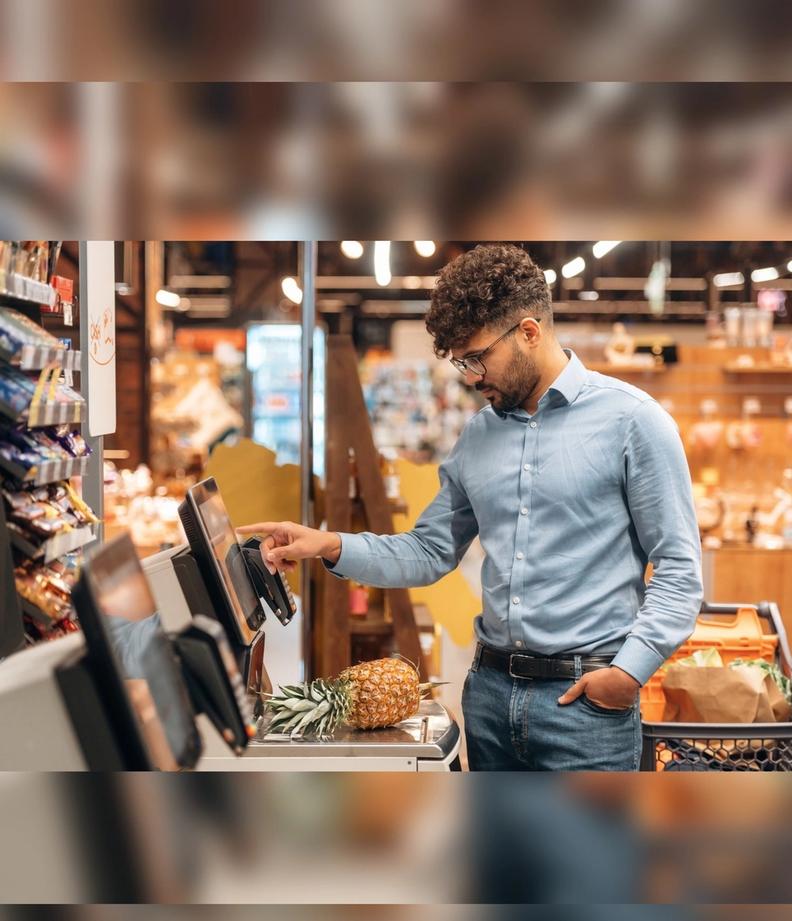
It’s no secret that rising food costs are making consumers think twice lately. Food prices are currently almost 3% higher than they were a year ago. Grocery prices are projected to climb another 2.4%, while restaurant and other foodservice purchases are predicted to increase 3.6%, well above the historical average. Shoppers are feeling it from every angle, and price hikes continue shaping where and why they spend.
Still, consumers haven’t completely pulled back. Spending habits are simply becoming more intentional.
Though today’s shoppers are more price sensitive than ever, many continue to make room in their food budget for small “treat yourself” moments that feel worth the spend. From grocery aisles to restaurant counters and quick-service shops, understanding how price sensitivity shifts across food retail can help operators position value-driven offerings that attract price-conscious consumers without cheapening the brand.
What Price Sensitivity Looks Like in Food Retail Today: Grocers & Restaurants
Price sensitivity refers to how much consumer purchasing behavior changes as costs rise or fall. After what economists describe as nearly a decade’s worth of inflation compressed into less than half the time, shoppers are paying much closer attention to what they can realistically afford. In 2026, food shopping prices continue putting pressure on household budgets.
More than 65% of consumers say higher food costs directly influence how they spend, and that shift has been building steadily since 2018. Modern shoppers are reevaluating everything from where they buy groceries to how often they order takeout or dine out. As a result, price sensitivity is showing up differently across grocery stores, restaurants, delis, cafés, and specialty shops, creating new challenges for operators balancing value perception with profitability.
Grocery Shoppers Are Trading Down, but Selectively Spend on Novelty Items
When it comes to grocers and supermarkets, shoppers are making far more calculated decisions at the shelf right now. Around 68% of consumers say they still struggle to afford groceries, and overall grocery spending has dropped 18% compared to fall 2024. Rising food shopping prices are also changing where consumers buy food, with many actively searching for stores that offer lower prices or more visible discounts.
A YouGov survey found that roughly two-thirds of shoppers now prioritize grocers with lower prices, while 44% choose stores based specifically on promotions and deals. Some consumers are buying fewer items during each trip, while others are exploring lower-cost retailers altogether. As price sensitivity continues climbing, grocers are competing not only on cost, but also on how clearly they communicate value.
However, lower prices alone are not enough to keep today’s shoppers engaged.
Consumers have grown increasingly fatigued by constant discount messaging, especially as rising food shopping prices continue putting pressure on daily budgets. Many shoppers are now looking for smaller “affordable luxury” moments that break up routine spending habits instead, whether that comes from discovering a specialty snack at the deli counter or finding an unexpected bakery deal that still feels exciting.
This dynamic is creating new opportunities for discovery-driven value experiences.
In many cases, these experiences are outperforming simple markdown strategies because they introduce a sense of spontaneity alongside savings. Surprise Bags from Too Good To Go tap directly into that mindset. For a majority of shoppers, the pickup itself becomes part of the experience, often encouraging additional in-store purchases and reinforcing the idea that price sensitivity does not eliminate interest in novelty items.
Restaurants and Quick-Service Operators Face a Different Kind of Price Sensitivity
Unlike grocery spending, restaurant and quick-service purchases are often easier for consumers to scale back or skip altogether. Of course, diners still crave takeout meals and sit-down experiences, but many are weighing the perceived value before placing an order. So, rather than cutting discretionary food spending entirely, many are becoming more selective about when they indulge and what feels worth the splurge.
Consumers Are Justifying Purchases More Carefully
Many diners are shifting away from larger or more frequent restaurant outings in favor of smaller food moments that still feel enjoyable. Instead of automatically saying yes to full meals, the growing price sensitivity across casual takeout and full-service dining experiences is contributing to trends like:
- 66% of consumers dining out less often
- 27% actively relying on deals or promotions when ordering
- 23% choosing lower-cost menu items
Still, spending behavior is not shifting evenly across all customer groups. Higher-income consumers remain more likely to prioritize full restaurant meals and dine-in experiences, while others are gravitating toward smaller indulgences, like specialty coffee drinks, seasonal bakery items, or limited-time prepared snacks that feel more manageable within tighter budgets and more attainable on a day-to-day basis.
Convenience and Promotions Influence Quick Decisions
Quick-service restaurants and other grab-and-go food retailers are seeing a different side of price sensitivity emerge. In these environments, value cues often influence purchasing decisions in real time. More than 80% of consumers now utilize promotions like Buy One, Get One offers or limited-time specials, not necessarily because they cannot afford the purchase, but because the deal itself helps reinforce that the spend feels justified.
Loyalty programs are playing a growing role in that reassurance factor as well. Around 65% of drive-thru users and more than 60% of takeout and delivery customers say memberships influence where they order, with food retail leading loyalty program participation. Familiarity, rewards, and personalized offers can help reduce hesitation at checkout, especially for consumers trying to balance convenience with tighter budgets.
Today’s Consumers Want Smarter Value, Not Constant Discount Messaging
Consumers are watching their budgets right now, but many are also growing tired of endless low-price messaging. The latest consumer “stress index” report found that shoppers still want opportunities to discover fun new items, despite rising foodservice and food shopping prices. In other words, today’s price sensitivity isn’t about spending less overall, it’s about spending more on purchases that still feel rewarding.
That shift helps explain why nearly half of consumers now prioritize a balance between low price and quality rather than simply chasing the cheapest possible option. Small indulgences and discovery-driven purchases feel worthwhile, especially when shoppers believe they’re getting strong value for the money. Retailers that focus too heavily on repetitive discount messaging risk blending into the background instead of creating memorable food experiences that encourage loyalty and repeat visits.
Across food retail, this evolution in consumer spending creates room to approach price sensitivity differently. Operators don’t need to compete on the absolute lowest price point to connect with cautious consumers. Instead, creating value moments through discovery and perceived quality can be just as powerful, particularly when shoppers feel like they uncovered something unexpected rather than simply saved a few dollars.
How Too Good To Go Aligns with Current Price-Conscious Shopping Habits
Too Good To Go meets consumers where their habits are already shifting. Surprise Bags allow shoppers to purchase unsold food from local retailers at a reduced price, often up to 50-75% off. The experience feels less like traditional discount shopping and more like discovering a hidden treasure, which helps operators appeal to modern price sensitivity without relying entirely on aggressive markdown strategies.
For retailers, Surprise Bags help create value through experiences that are:
- Discovery-driven, giving shoppers a “treasure hunt” moment instead of a standard discount
- Flexible for consumers navigating rising food shopping prices and tighter weekly budgets
- Easy to integrate without dramatically changing existing pricing structures or operations
- Designed to feel rewarding and enjoyable rather than purely transactional
The model also creates perks behind the scenes. Rotating surplus inventory, scheduled pickup windows, and relatively low operational lift help businesses recover value from unsold food before it goes to waste. At the same time, Surprise Bags introduce nearby consumers to local retailers they may not have visited otherwise, creating opportunities for repeat traffic and future full-priced purchases beyond the initial pickup experience.
Price Sensitivity is Reshaping Loyalty, Not Eliminating It
Consumers are still making room for food that feels worth discovering, even as rising prices reshape spending habits. For operators, adapting to modern price sensitivity is less about racing toward the lowest prices and more about creating flexible value moments that keep shoppers engaged. Too Good To Go helps retailers meet those evolving expectations by turning surplus food into discovery-driven experiences.
Learn more about how Surprise Bags on Too Good To Go help businesses connect with value-conscious shoppers.
FAQ About Price Sensitivity in Food Retail
What does price sensitivity mean in food retail?
Price sensitivity refers to how consumer purchasing behavior changes as food costs rise or fall. In food retail, shoppers often become more selective about where they spend and which purchases feel worthwhile when budgets tighten.
How are rising food shopping prices changing grocery habits?
Many grocery shoppers are buying fewer items, comparing prices more closely, and looking for stores with stronger promotions or lower prices overall. At the same time, many consumers still want enjoyable food experiences, which is why discovery-driven products and specialty finds continue attracting attention.
Why are consumers dining out less often?
Restaurant spending is easier for many households to scale back than essential grocery purchases. Some diners are reducing how often they eat out, while others are choosing lower-cost menu items or shifting toward smaller indulgences like coffee drinks or prepared snacks.
How do promotions influence quick-service restaurant purchases?
Deals like limited-time offers and Buy One, Get One promotions help reinforce value at the moment consumers make purchasing decisions. Loyalty programs can also reduce hesitation by making customers feel more confident about where and how they spend.
Are shoppers only looking for the lowest possible prices?
Not necessarily. Many consumers are balancing affordability with quality and enjoyment. Research increasingly shows that shoppers still want small “treat yourself” moments and memorable food experiences, even while paying closer attention to budgets.
What are Surprise Bags on Too Good To Go?
Surprise Bags allow grocery stores, restaurants, cafés, bakeries, and specialty food retailers to package and sell surplus food at a reduced price instead of letting it go to waste. Bags are listed on the Too Good To Go app and often include prepared foods, baked goods, produce, snacks, or other unsold inventory available near the end of the day.
How do Surprise Bags help retailers respond to modern price sensitivity?
Surprise Bags help retailers appeal to modern price sensitivity without relying entirely on aggressive markdowns. The model combines value with discovery, creating a more engaging experience for shoppers while helping businesses recover revenue from surplus inventory and attract nearby consumers.
start saving food today
Our app is the world's largest marketplace for surplus food. We help users rescue good food from going to waste, offering great value for money at local stores, cafes and restaurants.
Too good to go blog
Too Good To Go BlogPantry Organization Tips That Help You Waste Less Food
September 21, 2026
Most of the food that gets wasted at home was bought with good intentions. A bag of lentils slides behind a cereal box, a second jar of peanut butter joins t...

Win $250 app credits & more!Surprise Seconds Sweepstakes
September 17, 2026
Surprise Seconds Sweepstakes: Official Rules Details Page OFFICIAL RULES. NO PURCHASE NECESSARY TO ENTER OR WIN. A PURCHASE DOES NOT INCREASE THE CHANCES...
Too Good To Go BlogHow Convenience Store Trends Are Changing C-Store Operations
September 3, 2026
U.S. convenience stores rang up $341.2 billion in in-store sales in 2025, the 23rd straight year of inside-sales growth. That growth is no longer coming from...
Too Good To Go BlogSurprise Seconds with Ziploc® Brand
September 2, 2026
What is surprise seconds? Together with Ziploc® Brand, we want to help make more of the food already in your kitchen – whether carried home from a restauran...