Too Good To Go Blog
How Retailers Build Brand Loyalty Through Better Customer Experiences
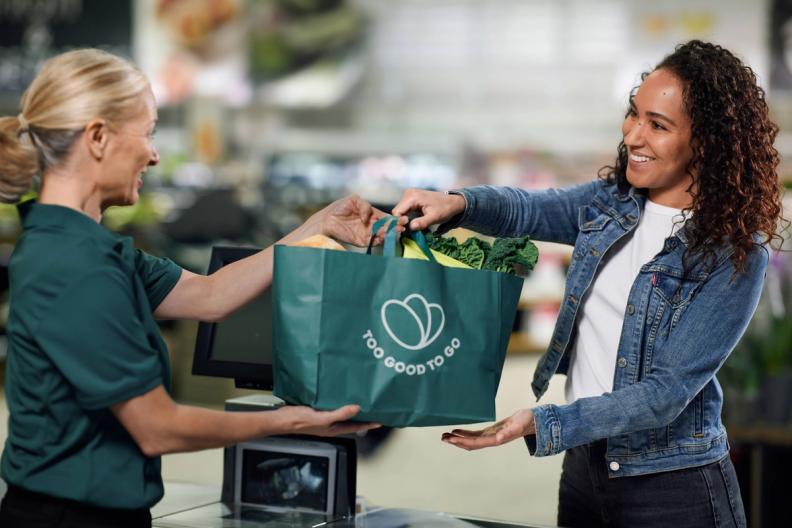
There’s a reason customers are walking into stores with higher expectations than ever. More of them are choosing brick-and-mortar food service and grocers for something they could never get online: an experience that feels worth the trip. While elements like decor, scent, and interactive technology all contribute to an engaging environment, they’re just a fraction of what keeps customers coming back.
What matters most is how the experience takes shape from start to finish. From the minute a customer walks in to the moment they leave, each interaction shapes how they feel about your store and whether they choose it again. Together, these elements play a direct role in building brand loyalty by improving the customer experience. Here’s how today’s retailers are bringing a better experience to life.
Turn Atmosphere into a Reason to Return
Store environments play a major role in where customers choose to spend their money, especially for everyday food purchases. A lot of that comes down to the atmosphere customers notice right away. For instance, lighting can make a space feel warm and inviting, while music influences the pace of the visit. Even subtle cues like scent or layout can shape how comfortable someone feels as they move through the store.
Across foodservice, a more immersive approach is taking hold. Customers are drawn to spaces where the experience feels intentional, like open kitchens or bakeries where fresh items are prepared and displayed in view. Scent plays a powerful role here, with 84% of people more likely to try baked goods when they can smell them. These details create moments customers remember and come back to when a craving hits.
Deliver Quality Service Customers Remember
The atmosphere may draw customers in, but high-quality customer service is what influences how the experience unfolds. Among quick- and full-service restaurant-goers, over 9 in 10 guests count customer service as a top priority. This expectation carries over into grocery, where 42% of shoppers say good service influences where they buy everyday essentials.
That impression often begins at the front door. Overall guest satisfaction is 78% higher when there is friendly service, like a greeting upon entry. A simple thank-you lifts perceived friendliness by 36%, and offering helpful suggestions can raise it by another 47%. These small, thoughtful interactions create a sense of familiarity that customers deliberately seek out again.
Make Speed Part of the Customer Experience
Beyond friendly service, 94% of guests say speed is what they want most. Half of Gen Z adults (50%) and millennials (52%) say they would order from an AI-generated video assistant to accelerate the process, and this need for speed reflects a broader trend across food retail. As of 2025, visits lasting less than 15 minutes made up more than 40% of grocery trips nationwide, with 58% of shoppers prioritizing finding the items they need quickly.
These faster trips are becoming a regular part of how customers navigate retail, especially in stores designed for in-and-out visits. To improve the customer experience, brands should make it easy for people to grab what they need and keep it moving. Sometimes that’s as simple as grouping related items together, like a taco display with chips, salsa, and seasoning in one place. Other times, it’s about being ready behind the scenes, with ingredients prepped ahead of time so orders can move without delay.
Strengthen Customer Connections with Rewards
Speed may shape how quickly a visit happens, but rewards set the stage for what happens next. As part of building brand loyalty by improving the customer experience, reward programs create ongoing value that extends beyond a single transaction. We see this in participation rates. Consumers today actively engage with free-to-join loyalty programs, with grocery leading participation at 66% and restaurants close behind at 55%.
Many customers are drawn to loyalty programs for what they unlock, from exclusive perks and promotions to more ways to earn rewards over time. This preference shows up clearly across food retail, where 65% of drive-thru users and more than 60% of takeout and delivery customers say program membership influences where they order. Among quick-service customers, loyalty programs are linked to meaningful shifts in behavior:
- 57% spend more with the brand
- 51% feel more loyal to the brand overall
- 47% are more likely to recommend the brand
- 41% feel a stronger emotional connection to the brand
Reduce In-Store Friction with Technology
Building on the rewards aspect of loyalty programs, guests also place greater value on the convenience offered by integrated technology, such as mobile rewards apps. Among customers aged 18 to 44, 42% say they’re more likely to spend more with a retailer if faster checkout is available through saved information, while 26% of those aged 80 and older say the same.
Additionally, three-quarters of quick- and full-service delivery customers value tech-enabled ordering and payments. That demand is showing up in more self-directed ways to browse, order, and pay, giving customers greater control over how quickly they move through the experience. Whether it’s skipping a line or completing a purchase in just a few taps, these tools help remove friction and keep the experience moving.
Offer Variety That Brings Customers Back for More
Though rewards give customers a reason to stay engaged, variety keeps the experience fresh. Nearly half of guests value a wide range of products when choosing where to purchase daily essentials. When it comes to building brand loyalty by improving the customer experience, offering variety creates more opportunities for customers to find something that fits their tastes. It also encourages exploration across menus and shelves, introducing customers to new items they may not have considered before.
After all, recent surveys show:
- 82% of consumers have tried at least one new food or beverage brand in the past six months
- 49% of consumers are experimenting with new flavors and cuisines for lunch
- 45% of consumers are trying a new freshly prepared meal for breakfast
One in five customers are open to trying a freshly prepared snack, no matter if it’s a pastry, empanada, or musubi. Even search volumes for “unique dessert shop near me” rose by more than 100% in the second quarter of 2025 alone. This signals a clear shift toward discovery, where customers are not just looking for something to eat, but something new to experience. When that curiosity is met, it gives them a reason to return and see what else is next.
Tailor the In-Store Experience to Each Customer
Variety invites exploration, but personalization makes the experience feel relevant. Today’s technology allows retailers to adjust menus and in-store interactions based on individual preferences, all in real time. Customers can customize what they order in ways that feel intuitive, from small adjustments to more detailed modifications, creating a sense of control that makes the experience more satisfying.
That same level of personalization can continue past a single visit. When paired with tools that track purchase behavior over time — such as loyalty programs — retailers can begin to surface more relevant offers, highlight familiar favorites, and introduce new options that align with individual tastes. These tailored experiences feel more thoughtful, making customers more likely to engage and return.
Build Loyalty Through More Sustainable Choices
Personalization doesn’t stop at preferences; it also reflects what customers care about. In practice, building brand loyalty by improving the customer experience starts with understanding what matters most to guests. By and large, that’s sustainability. 7 out of 10 shoppers want transparency about how their food is made, and two-thirds look for products that are sustainably produced.
Likewise, more consumers are making food purchases with the aim of reducing their overall consumption (43%), while others are changing what they eat (32%). At the same time, 80% say they are willing to pay more for sustainably produced or sourced goods. When brands align with these values, it builds a deeper sense of trust and connection that ultimately strengthens customer loyalty.
Put Better Customer Experiences into Action
When these in-store moments come together, they don’t just improve the experience, they create new reasons for customers to engage long-term. That’s where solutions like Too Good To Go come in. Surprise Bags sold on the Too Good To Go marketplace help bring these elements to life while reinforcing customer loyalty. They support multiple aspects of the customer experience, including:
- Faster Experiences. Surprise Bags are packed in advance and purchased directly through the app, making the customer pickup experience seamless.
- Rewarding Trips. Surprise Bags are sold at 50–75% of their original retail value, giving customers a way to stretch their spending while still enjoying high-quality food.
- Surprise and Delight. Surprise Bags can offer a selection of items in different categories, which users don’t get to pick in advance, so there’s a chance for something new on every trip.
- Sustainable Choices. Each Surprise Bag helps avoid 2.7 kg of CO2e emissions, letting customers make more sustainable choices with every pickup.
Surprise Bags also create new opportunities to bring customers in. More than 6 in 10 Too Good To Go users say they visited a store for the first time because of a Surprise Bag. Another 41% added extra items to their purchase at pickup, increasing total spend. These moments of discovery can stretch beyond a single visit, giving customers a reason to return after trying something new.
There are benefits for food retailers behind the scenes, too. Selling Surprise Bags takes no more time than tossing food away. All that’s required is setting aside surplus food for pickup, then handing it off when the customer arrives with their digital receipt. It’s a simple process that gives food a second life while freeing up staff to focus on delivering the great service customers expect.
Start Building Brand Loyalty by Improving the Customer Experience
Building brand loyalty by improving the customer experience doesn’t happen all at once. It’s the result of consistent, thoughtful moments that add up with every visit. Every interaction shapes how customers see your brand, from the atmosphere you create to the service you deliver and the value you offer over time. If you’re looking for a simple way to put these ideas into action, solutions like Too Good To Go can help you turn everyday operations into meaningful customer experiences.
Frequently Asked Questions About Brand Loyalty
How does the customer experience impact brand loyalty in food retail?
The customer experience shapes how people feel about your brand from the minute they walk in to the moment they leave. When those interactions are consistently positive, customers are more likely to return, spend more, and choose your store over others. Over time, these moments build familiarity and trust that strengthen long-term loyalty.
What elements of the in-store experience matter most to customers?
Atmosphere, service, and speed all play a major role in how customers perceive a store. Details like lighting and layout set the tone, while friendly service and quick transactions shape how smooth the visit feels. When these elements work together, they create an experience customers want to repeat.
Why are loyalty programs effective for food retailers?
Loyalty programs give customers a reason to stay engaged beyond a single visit. Many shoppers are drawn to the perks and flexibility they offer, like earning rewards and accessing exclusive deals. This ongoing value influences where customers choose to shop and encourages repeat visits over time.
How does technology improve the in-store customer experience?
Technology helps reduce friction and gives customers more control over how they shop. Features like faster checkout and self-service options make it easier to complete purchases quickly. This convenience improves satisfaction and supports the faster, more efficient experiences customers expect today.
Why is product variety important for customer retention?
Variety keeps the experience fresh and encourages customers to explore new options. Many shoppers actively seek out new flavors or prepared foods, and that sense of discovery can make a visit more memorable. When customers know there’s always something new to try, they’re more likely to return.
How do sustainability efforts influence customer loyalty?
Sustainability is increasingly important to shoppers, especially when it aligns with their personal values. Customers want transparency around how food is sourced and produced, and many are willing to support brands that reflect those priorities. When retailers make sustainability part of the experience, it builds a deeper emotional connection that strengthens loyalty.
How does Too Good To Go help retailers build customer loyalty?
Too Good To Go helps retailers turn surplus food into a positive customer experience. Surprise Bags sold through the Too Good To Go marketplace attract new customers and offer strong value at pickup. These moments often lead to repeat visits, as customers return for both the savings and the experience.
start saving food today
Our app is the world's largest marketplace for surplus food. We help users rescue good food from going to waste, offering great value for money at local stores, cafes and restaurants.
Too good to go blog

Win $250 app credits & more!Surprise Seconds Sweepstakes
September 17, 2026
Surprise Seconds Sweepstakes: Official Rules Details Page OFFICIAL RULES. NO PURCHASE NECESSARY TO ENTER OR WIN. A PURCHASE DOES NOT INCREASE THE CHANCES...
Too Good To Go BlogHow Convenience Store Trends Are Changing C-Store Operations
September 3, 2026
U.S. convenience stores rang up $341.2 billion in in-store sales in 2025, the 23rd straight year of inside-sales growth. That growth is no longer coming from...
Too Good To Go BlogSurprise Seconds with Ziploc® Brand
September 2, 2026
What is surprise seconds? Together with Ziploc® Brand, we want to help make more of the food already in your kitchen – whether carried home from a restauran...
Too Good To Go BlogHow Food Retailers Can Reduce Inventory Shrinkage
August 20, 2026
Inventory shrinkage looks a little different across every food business. A bakery may close with pastries still in the case, while a convenience store may re...