Too Good To Go Blog
The Grocery Store Marketing Playbook: How to Grow Traffic and Win New Shoppers
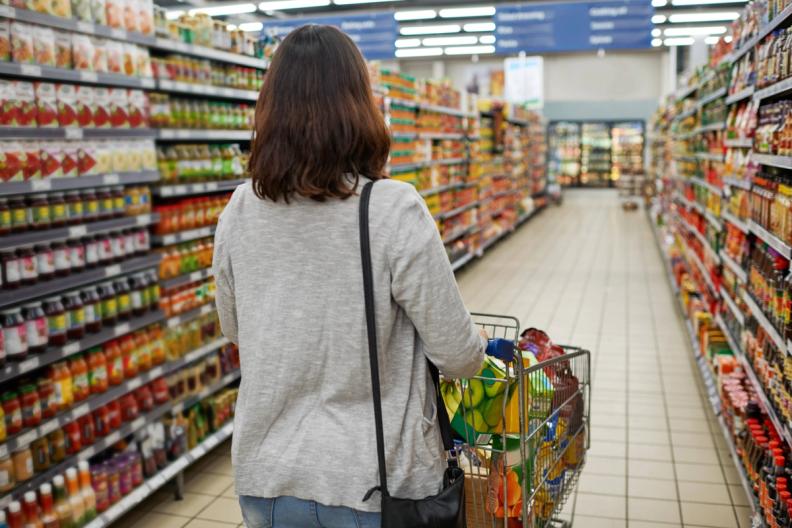
Modern grocery shoppers are no longer following the same predictable routines. Instead, they’re scrolling through local deals to inspire dinner, trying limited-time flavors for lunch, and comparing prices across multiple stores before deciding where to shop. Value still matters, but so does variety. Grocery store marketing tactics increasingly have to create moments of discovery before shoppers even finalize their lists.
The only catch? Discovery is no longer accidental; shoppers now find stores through digital promotions, community buzz, and convenience-driven platforms that make trying something new feel both approachable and affordable.
So, how do you grow traffic in grocery stores when discovery happens long before shoppers enter the aisle? From seasonal campaigns and bundled meal deals to surplus food programs that turn end-of-day inventory into a marketing opportunity, modern grocery marketing revolves around reasons to explore. Discover the strategies grocery operators are using to attract first-time shoppers and turn curiosity into foot traffic.
1. Community Partnerships That Boost Local Foot Traffic
Community partnerships remain one of the most effective grocery store marketing tactics for expanding local visibility. Consumers already direct 37% of their food spending toward local stores, particularly grocers, showing just how motivated shoppers are to support businesses in their area. The challenge is getting on their radar. Community partnerships make local grocery stores easier for nearby shoppers to discover.
Community partnerships can include:
- School fundraisers and charity drives
- Local food festivals and neighborhood events
- Chef collaborations and cooking appearances
- Features with local farms, bakers, or makers
- Partnerships with nearby businesses
In-store experiences can strengthen that discovery even further. Chef demos give shoppers a chance to sample seasonal ingredients or specialty items in a way that feels interactive and low-pressure. Local vendor pop-ups and prepared food showcases also create opportunities to spotlight nearby makers and entrepreneurs, helping stores build stronger community connections while introducing shoppers to something new.
2. Seasonal Promotions That Create Timely Reasons to Visit
Once shoppers become aware of a local grocery store, seasonal promotions help turn that awareness into action. Seasonal grocery store marketing tactics work especially well because they create urgency around a specific moment, whether it’s a limited-time flavor, a holiday special, or a major annual savings event. Shoppers are already looking for what’s new and what might disappear soon, and sales are a great starting point.
After all, FOMO (fear of missing out) plays a real role in consumer behavior. Psychologists have found that when consumers are under time pressure, like a limited-time deal, they are less likely to continue shopping around and more likely to act quickly to secure the offer. Grocery marketing campaigns that lean into seasonal timing can help stores capture attention before shoppers decide to spend elsewhere.
The ShopRite Can Can Sale is one example that has become deeply tied to grocery culture since its 1971 launch. An annual winter event with steep discounts on canned goods and pantry staples, the promotion has evolved into an anticipated shopping tradition instead of just another weekly sale. Grocers can take a similar cue from the events and routines shaping their communities, building promotions around local shopping patterns.
3. Bundled Deals That Encourage Shoppers to Try Something New
Limited-time promotions may motivate customers, but bundled deals help them explore beyond their usual shopping routines. Grocery store marketing tactics built around meal inspiration can make trying something new feel easier, especially for shoppers with curious palettes and cautious budgets. Bundles also give stores more opportunities to spotlight products shoppers may not have bought originally, working to reduce surplus inventory.
Bundled grocery promotions can introduce shoppers to new flavors through:
- “Theme night” dinner bundles centered around taco nights, pasta nights, or regional comfort foods
- International meal kits tied to cultural celebrations, seasonal flavors, or globally inspired prepared meals
- Limited-time cultural food displays connected to traditions like Lunar New Year or Hispanic Heritage Month
- Produce bundles paired with recipes that help shoppers experiment with unfamiliar ingredients or cooking styles
Grocery marketing campaigns built around bundled discovery can feel especially engaging because they combine convenience with exploration. Shoppers may arrive looking for dinner ideas or affordable meal inspiration, then leave with something they’ve never tried before. Promotions tied to cultural holidays and neighborhood traditions can help stores stay connected to the communities around them without feeling overly promotional, too.
4. Digital Ads That Reach Shoppers Before They Choose a Store
Shoppers discovering meal bundles in-store are often continuing a browsing process that started earlier online. More consumers now compare prices across multiple retailers before deciding where to shop, making digital visibility increasingly important for local grocers. Grocery marketing efforts across search and social platforms can help stores appear in front of nearby shoppers already looking for a new store to explore.
Digital ads can also help grocery operators boost first-time visits by spotlighting what makes the store worth exploring. Unique product selection continues to play a major role in why shoppers choose local grocers over larger chains. Featuring specialty ingredients, globally inspired prepared foods, or hard-to-find local products in digital campaigns can help stores stand out while giving nearby shoppers a reason to stop in.
5. Direct Mail That Keeps Local Grocery Stores Top of Mind
Like digital ads, direct mail is designed around discoverability. Grocery store marketing tactics like flyers, postcards, and door hangers give local brands a way to show up directly in nearby neighborhoods, especially among shoppers who may not already follow the store online. Geographic direct mail campaigns can also help grocers stay visible within a targeted radius, keeping weekly savings in front of nearby households.
Not to mention, direct mail can go beyond coupons. Monthly mailers or neighborhood grocery newsletters can also help shoppers track seasonal ingredients and in-store tastings. Likewise, featuring community events and local partnerships creates another opportunity for engagement, reinforcing the idea that the grocery store is part of the surrounding neighborhood rather than another stop on an errand list.
6. Mobile Apps That Keep Grocery Discovery Within Reach
Aside from direct mail, grocery apps can also help stores feel more connected to shoppers’ daily routines between visits. Many consumers now browse grocery apps before deciding what sounds worth buying that week, especially when looking for savings or something new to try. Grocery store marketing tactics built around branded apps can support that discovery process through user-friendly features, such as:
- Personalized deal alerts tied to limited-time offers
- Order-ahead options for prepared foods or quick pickup
- Digital circulars featuring weekly deals and seasonal products
- Built-in rewards programs that encourage repeat engagement
Grocery marketing efforts tied to loyalty rewards can be especially effective among value-conscious shoppers. Consumers today actively participate in loyalty programs to stretch their spending, with grocery remaining the top category. Personalized promotions and perks can introduce shoppers to products they may not have originally searched for, helping stores create more opportunities for discovery alongside savings.
7. Grocery Delivery Services That Expand the Discovery Radius
Speaking of more opportunities for discovery, grocery shopping no longer depends on who happens to pass the storefront. Grocery store marketing tactics tied to delivery and pickup increasingly expand a grocer’s trade area beyond traditional driving patterns, helping stores connect with customers outside their immediate neighborhood. That reach matters even more as shopping habits continue to shift toward convenience.
Today, three-quarters of customers use a retailer’s pickup or delivery services instead of browsing aisles themselves. Delivery programs can help operators reach busy families trying to simplify weeknight meals, younger consumers accustomed to ordering through apps, and shoppers looking for stores outside their usual routines. These services still create moments of discovery, even when the shopping experience happens entirely online.
8. Surplus Food Marketplaces That Turn Discovery Into Store Traffic
Even digital grocery browsing leaves room for surprise. A surplus food marketplace like Too Good To Go gives grocers another way to create discovery-driven shopping moments while recovering value from unsold inventory. Grocers can bundle prepared meals, produce, or bakery items into discounted Surprise Bags for nearby customers to reserve. Shoppers browsing the Too Good To Go app can then reserve a bag in just a few taps and pick it up during a scheduled collection window.
Surprise Bags only reveal a general category, like sandwiches and salads or muffins and pastries, rather than a detailed list of what’s inside. Every pickup creates an opportunity to try something different, which keeps the experience flexible for stores and engaging for shoppers. Stores simply gather unsold items from shelves and display cases into Surprise Bags at the end of a shift, and shoppers access a rotating array of perfectly good food.
Surprise Bags also create measurable opportunities for first-time visits and incremental traffic. Case in point? More than six in 10 shoppers say they only visited a grocery store because of their Surprise Bag pickup, while 41% purchased additional items during collection. Pickup windows can also help grocery operators attract customers during slower periods or around end-of-day inventory transitions, helping stores create traffic from products that may have otherwise gone unsold.
Explore Grocery Store Marketing Tactics That Drive Sales from Surplus
Today’s shoppers are in a constant state of discovery, searching for the best prices to save and new flavors to savor. Community partnerships, seasonal promotions, bundled meal deals, and direct outreach all help create those discovery moments while giving shoppers fresh reasons to visit. Too Good To Go gives grocers another way to pair savings with discovery through Surprise Bags filled with surplus food that still deserves to be enjoyed.
FAQ About Grocery Marketing
What are the most effective grocery marketing tactics for attracting new shoppers?
The most effective grocery marketing tactics help stores reach shoppers while they are actively comparing prices or looking for something new to try before deciding where to shop. Seasonal promotions, bundled meal deals, digital ads, community partnerships, and grocery apps can all create discovery moments that encourage first-time visits.
How can grocery stores increase local foot traffic?
Local foot traffic often starts with visibility. Community partnerships, direct mail campaigns, local events, and digital promotions can help nearby shoppers discover grocery stores they may not have noticed before. Seasonal campaigns and in-store experiences also create timely reasons to visit.
Why do seasonal grocery promotions work so well?
Seasonal promotions create urgency around limited-time products, savings events, or holiday shopping moments. Shoppers are often more likely to act quickly when they feel a deal or product may not be available for long.
How do bundled grocery deals encourage shoppers to buy more?
Bundled deals simplify meal planning while introducing shoppers to new products. Theme-night bundles, cultural meal kits, and recipe-inspired produce pairings can encourage customers to explore beyond their typical purchases while still staying budget-conscious.
Why are grocery apps important for modern grocery marketing?
Many shoppers now browse grocery apps before deciding what sounds worth buying that week. Features like digital circulars, rewards programs, and personalized promotions help stores stay connected to shoppers between visits while creating more opportunities for discovery.
What are Too Good To Go Surprise Bags?
Too Good To Go Surprise Bags are discounted bundles of surplus food reserved through the Too Good To Go app. Grocery stores can package unsold items from shelves and display cases into Surprise Bags for nearby shoppers to purchase and pick up during a scheduled collection window.
Do Too Good To Go Surprise Bags create more work for grocery employees?
No. Many grocery employees say preparing Surprise Bags takes no more time than throwing food away at the end of a shift. Instead of discarding unsold inventory, staff simply gather eligible items into bags for scheduled pickup, helping give perfectly good food a second chance.
start saving food today
Our app is the world's largest marketplace for surplus food. We help users rescue good food from going to waste, offering great value for money at local stores, cafes and restaurants.
Too good to go blog
Too Good To Go BlogFood Freshness Explained: What It Means for Different Types of Food
July 16, 2026
Food freshness affects countless decisions across the supply chain. It influences what customers buy, how businesses manage inventory, and which products ult...

Too Good To Go BlogRestaurant Demand Forecasting 101: A Practical Guide for Independent Operators
July 14, 2026
A multi-unit franchise may have predictive analytics to help with restaurant demand forecasting. An independent operator, on the other hand, is often relying...
Too Good To Go BlogHow Food Waste Is Quietly Driving Up Your Grocery Bill
July 9, 2026
Few things are more frustrating than watching your grocery bill continue to climb while your cart seems to shrink. Inflation often gets the blame, but it’s o...
Too Good To Go BlogBeyond the Checkout: Untapped Revenue Opportunities for Grocery Retailers
July 7, 2026
Profitability feels increasingly difficult to protect lately. Operating costs continue to rise, shoppers remain price-sensitive, and competition extends far...