Too Good To Go Blog
Utilizing Your Own Retail Foot Traffic Analytics to Inform Business Decisions & Influence Your Bottom Line: Restaurant, Grocery, and Convenience Stores
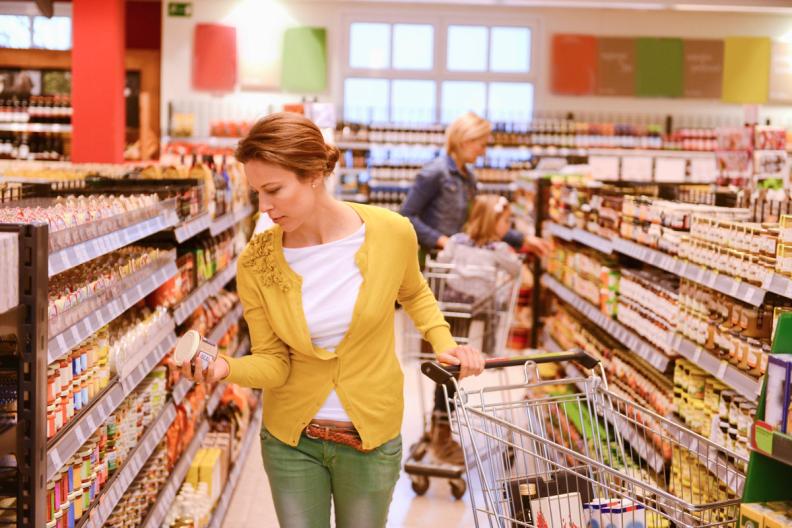
The global in-store analytics market may be set to quadruple to $16.51 billion by 2030, but the foot traffic data behind it? That’s where the real value lives. Foot traffic reveals how customers truly move through a store, from where they go first to how long they stay. For restaurant and food retail operators, those patterns explain far more about customer behavior than sales alone ever could.
Most operators already have access to their own data on foot traffic, yet much of it sits untouched. The opportunity isn’t collecting more insights; it’s putting what you already have to better use. When applied to daily operations, foot traffic data can improve store efficiency and reduce waste, all while enhancing the customer experience. Here’s how to turn that insight into smarter decisions.
What is Foot Traffic Data in Restaurants and Food Retailers?
Foot traffic data refers to the information retailers collect about how customers move through a physical space, from entry to exit. It shows when people arrive and how long they stick around. That timing gives operators a clearer sense of how demand builds throughout the day. It also reveals the paths customers take once they’re inside, showing which areas of the store or restaurant get the most attention.
In practice, retail foot traffic trends look different across formats.
Restaurant foot traffic data often reflects rush periods, dining duration, and how activity differs between quick-service and full-service settings, shaping everything from order flow to table turns. Grocery store foot traffic data highlights how shoppers navigate aisles and when peak shopping windows occur, whereas convenience store data tends to focus on repeat traffic and quick decision points near the register.
What Foot Traffic Data Reveals About Customer Behavior
Brick-and-mortar visits are rising, driven by more frequent and targeted trips across multiple retailers. The real value of business foot traffic data comes from understanding where that traffic concentrates and where it drops off, which offers a better view of how customer behavior shifts over time. What looks steady on the surface often changes by location, day, or even hour in ways that aren’t always obvious.
A closer look at retail foot traffic data starts to expose:
- Deviations in visit timing throughout the day. Traffic doesn’t always follow expected patterns. What seems like a consistent flow can vary by the minute, with quieter windows or unexpected spikes that don’t align with traditional assumptions.
- Differences across days, weeks, and seasons. Patterns often change depending on the day of the week or time of year. Grocery store foot traffic data may show weekend surges, while some restaurants experience seasonal swings tied to tourism or local events.
- Distribution of traffic across the space. Data highlights where customers spend more time and which areas get less attention. In convenience stores, traffic often clusters around drink coolers or aisles with packaged goods versus prepared food sections.
- Deeper insight into what “busy” really looks like. Restaurant foot traffic data often shows that a rush isn’t always a single peak. Instead, traffic can build in waves, with varying levels of activity that affect pacing and service in fast-casual and full-service settings.
Where Internal Data Has Advantages Over Third-Party Insights
You may have heard that customer visits lasting less than 15 minutes are on the rise, or that nearly 75% of restaurant traffic now happens off-premises, but what about what’s going on in your location? That’s where your own data on foot traffic comes into play. Unlike third-party insights, direct business foot traffic data reflects what’s happening in your store, not broad averages across markets.
Third-party insights often rely on modeled estimates that smooth over real-world variation. Your own foot traffic data captures how customers actually behave in your space based on real visits, not projections. That difference makes it easier to spot changes as they happen and respond more quickly, whether that means adjusting staffing and stocking, or rethinking how your store operates day to day.
How Retailers Can Use Foot Traffic Data to Improve Operations
Speaking of rethinking how your store operates, retail foot traffic data helps connect what you’re seeing in-store to how your business runs behind the scenes. Discover the five ways restaurants, grocers, and convenience stores can apply these insights to guide decisions that shape performance.
1. Identify Peak Demand Patterns
Restaurant foot traffic data proves that demand doesn’t always line up with something like a lunch rush. There are often smaller surges before and after peak hours, especially with to-go orders at cafés and fast-casual chains. Grocery and convenience stores see similar shifts outside traditional meal times, where prepped food can spike late at night from Friday through Sunday. Some days follow a familiar rhythm, while others shift based on outside factors, such as weather or holidays.
This kind of visibility into recurring foot traffic makes it easier to make decisions in the moment, not just after the fact. Instead of relying on a month-end view, you can respond to patterns as they happen or start to repeat. For instance, if late-night traffic picked up during the last snowstorm and similar weather is on the radar, you have a clearer signal to prepare for another spike.
2. Align Staffing with Real Traffic Windows
Once you have a more complete view of demand patterns, the next step is aligning your team to match. Foot traffic data helps you see when coverage needs to ramp up and when it can scale back. Instead of relying on static schedules, you can adjust shift start times or stagger breaks to better reflect how traffic builds throughout the day, so your team is supported when it matters most.
This approach also contributes to smoother service across different formats. Grocery store foot traffic data may show steady flow with short spikes that call for quick coverage adjustments, while other locations may need stronger overlap during key windows. Using those insights, managers can make small, real-time changes that reduce pressure on staff and keep customer experiences consistent.
3. Optimize Store Layout for Better Flow
Scheduling is only part of the equation. In restaurants and food retailers, the way your space is set up also plays a major role in how smoothly customers and staff move through it. Business foot traffic data helps you see where people naturally gather and where the flow breaks down, giving you a more accurate starting point for layout decisions that reduce friction and keep traffic moving.
In grocery and convenience stores, that can mean bringing high-demand items together in more intentional ways. A Taco Tuesday end cap with shells, chips, and salsa can pull traffic into one place, while a late-night snack section with drinks, candies, and grab-and-go desserts can better match how customers actually shop. These small adjustments can make the experience feel faster and more intuitive.
In restaurants, the same idea applies to how customers move through ordering and pickup. If data shows guests waiting longer to collect to-go orders, a dedicated pickup area or window can help ease congestion. Bakeries and cafés may see similar benefits by creating clear zones for ordering versus pickup, especially during busy morning periods when available space can fill quickly.
4. Plan Inventory with More Accuracy
Beyond where product demand is the strongest, foot traffic data also emphasizes what needs to be stocked and when. If you monitor traffic patterns, it becomes easier to spot fan favorite items and how soon they should be ready. Those insights help fine-tune order quantities and shift product mix to match real demand instead of assumptions. That level of visibility is especially useful in high-turn environments.
For instance, convenience store data often shows short, repeat visits that drive steady demand for grab-and-go items at specific times, like late-night stops or after-school runs. When those patterns are clear, it becomes easier to plan when to restock and how to keep shelves aligned with customers’ top products. The same goes for restaurants or bakeries, which can align food prep with high traffic windows.
5. Reduce Waste from Unsold Items
Traffic patterns reveal what customers are really buying week over week, which not only helps with inventory planning but also plays a role in reducing waste from unsold items. Internal data makes it easier to spot when demand slows or shifts, so you can connect traffic dips to surplus inventory before it builds. Real-time visibility helps teams act earlier, especially as certain items approach expiration.
Too often, perishables miss that window. Up to 40% of the U.S. food supply goes to waste each year, with nearly 30% ending up in landfills. By optimizing how near-expiry perishables are displayed and discounted, retailers have the potential to reduce waste by 21.24% all while increasing profits by 6.01%. With a food waste technology solution like Too Good To Go, it’s simple to turn surplus into sales.
Too Good To Go is the world’s largest marketplace for surplus food, designed to help retailers recover value from unsold items. Businesses bundle products into Surprise Bags at 50–75% of their original retail value for customers to collect in-store at a set time. By scheduling pickups during slower traffic periods, retailers can bring in additional footfall without disrupting peak hours or stretching staff.
Turn Data on Foot Traffic Into Better Day-to-Day Decisions
Internal data on foot traffic gives you a clearer view of what’s happening inside your store, from peak demand windows to quieter periods that might otherwise go unnoticed. When those insights are applied throughout the day — not just reviewed later in the month — it becomes easier to make small adjustments that improve performance and support smarter ways to manage unsold food.
Too Good To Go is one way to put your company’s foot traffic data into action. By turning surplus food into Surprise Bags offered at a store-selected pickup times, restaurants and food retailers can attract more local customers while making better use of inventory that might not sell otherwise.
Learn more about how Too Good To Go can help you capture more value from surplus food.
FAQs About Foot Traffic Data
What is foot traffic data in food retail?
Foot traffic data refers to the information businesses collect about how customers move through a physical food retail location, from entry to exit. It helps operators understand when people arrive, how long they stay, and where they spend time. These insights give a more complete picture of customer behavior than sales alone.
How can retailers identify peak demand patterns using foot traffic data?
Foot traffic data helps retailers see when customers actually show up, not just when they expect them to. Demand often shifts throughout the day or across seasons, and those changes can be subtle. Recognizing these patterns makes it easier to respond in the moment instead of relying on a retrospective view.
How does foot traffic data help align staffing with real demand?
Foot traffic data gives managers a clearer sense of when coverage needs to increase or scale back. Instead of sticking to static schedules, teams can adjust shift timing or overlap based on actual activity. These small changes help reduce pressure on staff and keep service more consistent during busy periods.
How can foot traffic insights improve store layout?
Foot traffic insights show where customers naturally gather and where flow slows down. With that understanding, retailers can reorganize space to make movement more intuitive. Small layout changes can reduce congestion and help customers find what they need more quickly, improving the overall experience.
How does foot traffic data support more accurate inventory planning?
Foot traffic data helps retailers match inventory decisions to real customer demand. By understanding when certain products are most popular, operators can better time preparation and restocking. This approach helps reduce guesswork and keeps shelves and display cases aligned with what customers are actually looking for.
How can foot traffic data help reduce food waste?
Foot traffic data makes it easier to connect slower traffic periods with surplus inventory before it builds up. When teams can see demand shifting in real time, they can act earlier to move products that might otherwise go unsold. This visibility supports a more proactive approach to managing excess food.
How does Too Good To Go help retailers act on foot traffic insights?
Too Good To Go helps retailers turn surplus food into Surprise Bags they can offer to local customers at a reduced price. Customers purchase Surprise Bags directly through the Too Good To Go app. Businesses then schedule pickup during slower periods to bring in extra traffic without disrupting peak hours. This approach supports both waste reduction and revenue recovery.
start saving food today
Our app is the world's largest marketplace for surplus food. We help users rescue good food from going to waste, offering great value for money at local stores, cafes and restaurants.
Too good to go blog
Too Good To Go BlogUtilizing Your Own Retail Foot Traffic Analytics to Inform Business Decisions & Influence Your Bottom Line: Restaurant, Grocery, and Convenience Stores
May 19, 2026
The global in-store analytics market may be set to quadruple to $16.51 billion by 2030, but the foot traffic data behind it? That’s where the real value live...
Too Good To Go BlogWhy Employee Satisfaction Is Becoming a Competitive Advantage in Food Retail
May 14, 2026
From neighborhood bakeries to national restaurant chains, employee satisfaction trends are currently transforming the workforce behind food retail. Employee...
Too Good To Go BlogThe Employee Satisfaction Metrics Every Food Retailer Should Be Tracking
May 12, 2026
It’s no secret that keeping teams engaged in a fast-moving environment can be a challenge. In early 2026, the food services sector saw a monthly quit rate of...
Too Good To Go BlogThe Impact of Cause Marketing in Food Retail
May 7, 2026
Cause marketing started in an unexpected place: food retail, in a 7-Eleven to be exact. Back in 1974, the convenience store partnered with the National Wildl...